
• IP addresses are NOT logged in this forum so there's no point asking. Please note that this forum is full of homophobes, racists, lunatics, schizophrenics & absolute nut jobs with a smattering of geniuses, Chinese chauvinists, Moderate Muslims and last but not least a couple of "know-it-alls" constantly sprouting their dubious wisdom. If you believe that content generated by unsavory characters might cause you offense PLEASE LEAVE NOW! Sammyboy Admin and Staff are not responsible for your hurt feelings should you choose to read any of the content here.

    The OTHER forum is HERE so please stop asking.

Redditer: I am M 27 years old. Recently i had just came out of a echocardigram for my heart.

Nut

Stupidman
Loyal
Joined
Aug 20, 2022
Messages
30,898
Points
113


Health​

Discussion

Hi all,

I am M 27 years old. Recently i had just came out of a echocardigram for my heart.

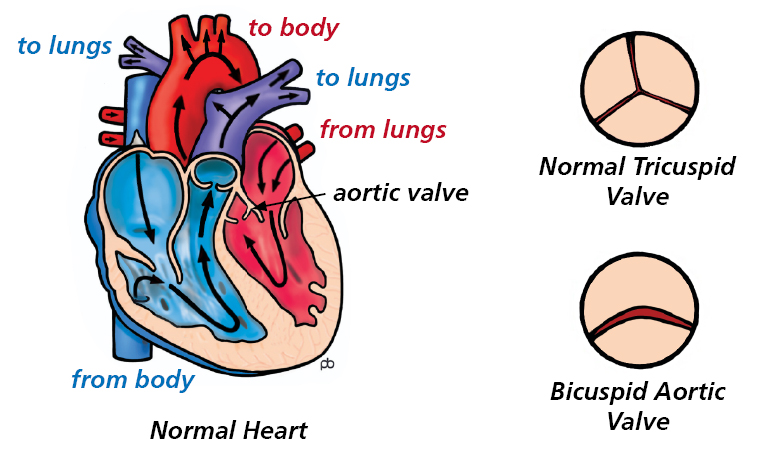
I was told that i was born with biscuspid aortic valve and that valve ( acts like a door) is severly leaking which means it does not close properly. Therefore causing a blood reversal and make my heart to work a little hard.

Just curious to know if anyone at my age or older has a similar condition and what did yall do to correct it in terms of the procedure.

I am scared of replacing the valves becuz of the medications i need to take for life...

So if you are someone who is going to do a procedure or already done it just let me know what you have opted and how its going for you
 
Web-image.jpg

A bicuspid aortic valve (BAV) is a congenital heart defect where the aortic valve has only two flaps (cusps) instead of the normal three. Affecting up to 2% of the population, it is the most common heart defect present at birth, forcing the heart to work harder to pump blood to the body.
Why BAV Requires Monitoring
While many people live normal, asymptomatic lives, BAV often leads to complications as you age. The most common issues include:
  • Stenosis: The valve narrows, making it difficult for the heart to pump blood.
  • Regurgitation (Leaking): The valve does not close tightly, causing blood to flow backward into the heart.
  • Aortic Aneurysm: The aorta (the main artery leaving the heart) can become enlarged or stretched.
  • Infective Endocarditis: An increased risk of infection in the lining of the heart.
Symptoms to Watch For
Many individuals have no symptoms. However, if the valve function declines, you might experience:
  • Shortness of breath (especially during physical activity)
  • Chest pain, tightness, or pressure
  • Fainting or feeling lightheaded (syncope)
  • Fatigue or leg swelling
  • Heart palpitations (feeling like your heart is racing or fluttering)
 
After serving NS then he realised?
Wahlao...he should have been given Pes E
 
This type usually are related to iatrogenic causes.
There is no such thing as “defective” heart.
The creator did not give any defects. The so-called defects are caused by some misadventures created by their parents, or any medical conmen

Remember all diseases are businesses to medical conmen
 
Back
Top