• IP addresses are NOT logged in this forum so there's no point asking. Please note that this forum is full of homophobes, racists, lunatics, schizophrenics & absolute nut jobs with a smattering of geniuses, Chinese chauvinists, Moderate Muslims and last but not least a couple of "know-it-alls" constantly sprouting their dubious wisdom. If you believe that content generated by unsavory characters might cause you offense PLEASE LEAVE NOW! Sammyboy Admin and Staff are not responsible for your hurt feelings should you choose to read any of the content here.

    The OTHER forum is HERE so please stop asking.

World biggest economy based on PPP

syed putra

Alfrescian
Loyal
Joined
Sep 22, 2008
Messages
92,591
Points
113
1772876231077.jpeg
 

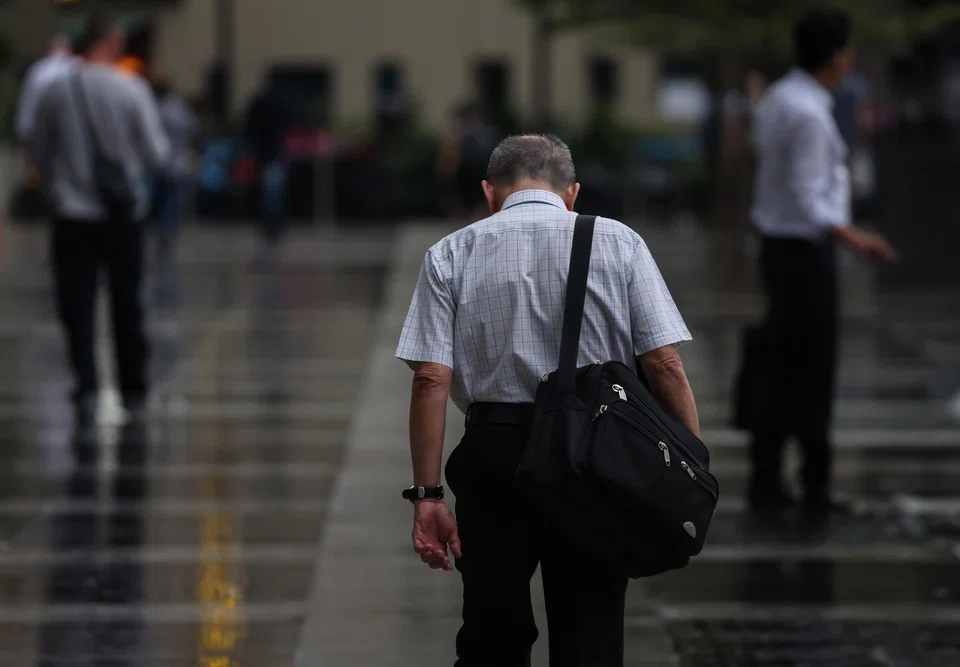
In Singapore, ‘Henry’ also worries about retiring with enough​

The country’s ‘high earners but not rich yet’ are not immune to financial insecurity

Summarise


google-preferred-sourceAdd BT as a preferred source

  • In a high-cost, high-expectation society like Singapore, even high earners are not immune to insecurity, says the writer.

  • In a high-cost, high-expectation society like Singapore, even high earners are not immune to insecurity, says the writer.

  • In a high-cost, high-expectation society like Singapore, even high earners are not immune to insecurity, says the writer.

  • In a high-cost, high-expectation society like Singapore, even high earners are not immune to insecurity, says the writer.

  • In a high-cost, high-expectation society like Singapore, even high earners are not immune to insecurity, says the writer.
  • In a high-cost, high-expectation society like Singapore, even high earners are not immune to insecurity, says the writer. PHOTO: YEN MENG JIIN, BT
  • In a high-cost, high-expectation society like Singapore, even high earners are not immune to insecurity, says the writer. PHOTO: YEN MENG JIIN, BT
  • In a high-cost, high-expectation society like Singapore, even high earners are not immune to insecurity, says the writer. PHOTO: YEN MENG JIIN, BT
  • In a high-cost, high-expectation society like Singapore, even high earners are not immune to insecurity, says the writer. PHOTO: YEN MENG JIIN, BT
  • In a high-cost, high-expectation society like Singapore, even high earners are not immune to insecurity, says the writer. PHOTO: YEN MENG JIIN, BT

Grace Tay

Published Sat, Mar 7, 2026 · 07:15 AM
MEET Henrik and Ryna, a married couple in their 30s who each make S$15,000 a month. Their salaries seem aspirational, yet they often feel uncertain about retirement adequacy.

These archetypal characters are “Henry” – short for “high earner but not rich yet”, typically defined as households in the top 10 to 15 per cent.

The paradox of high income paired with persistent anxiety deserves closer examination, especially in a society grappling with rising costs and shifting financial benchmarks.


To understand the Henrys’ anxieties, we must first look at their financial realities.

Henrys typically hold senior positions and juggle demanding schedules. Many live in private property, drive cars and outsource domestic chores. Wellness and self-care are priorities, and social memberships are common. They want the best for their kids, often purchasing enrichment classes and experiences.

These choices are not frivolous on their own, but together they create a high fixed-cost lifestyle.

How do Singapore’s Henrys invest?​

Henrys tend to invest aggressively, often without a coherent strategy or clear financial goals. With limited time and bandwidth, they are more likely to follow peer advice or market trends when investing.

This can result in significant exposure to speculative assets such as crypto or concentrated positions in single stocks, particularly in sectors like tech. Blackbox’s SensingSG research found that high-income earners in Singapore are 50 per cent more likely to invest in cryptocurrencies than medium-income earners.

Many also invest in property, influenced by their parents’ success with real estate. Property feels familiar and safe, but it can lead to overconcentration, illiquidity and sizeable mortgage obligations that limit financial flexibility later in life.
 

Singapore real estate giants feel the heat as China’s property woes continue​

Analysts say Singaporean companies are still likely to bet on China’s massive market, but could now adopt a more selective investment approach​

4-MIN

Listen

Google News Preferred Icon
Make SCMP preferred on Google
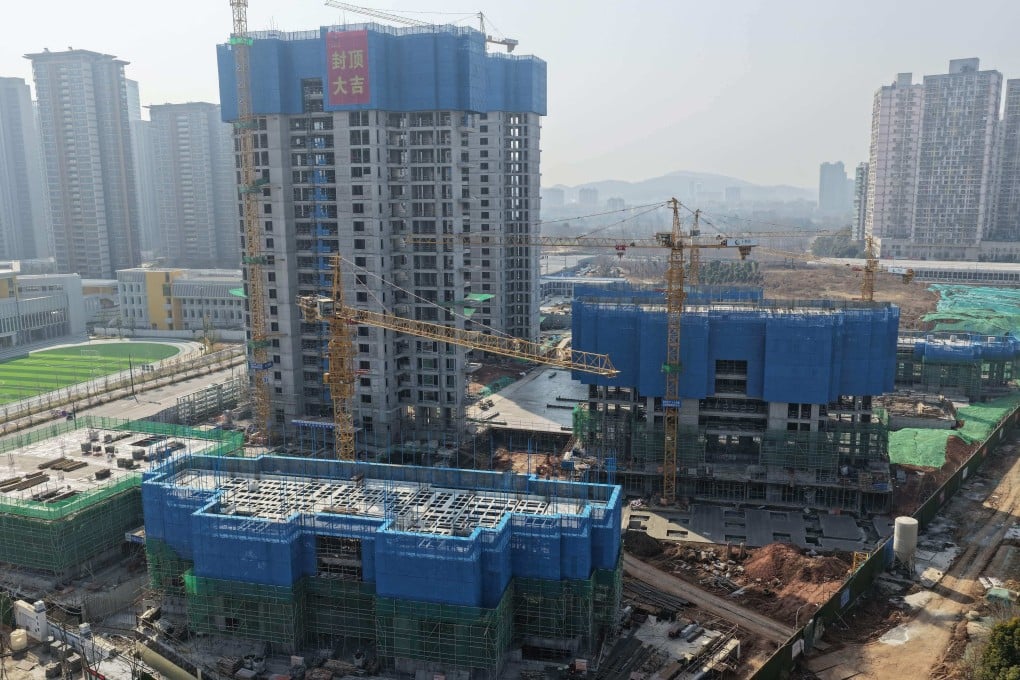
Buildings under construction in Nanjing, in China’s Jiangsu province, in February. Photo: AFP

Kolette Lim
Published: 8:00am, 7 Mar 2026Updated: 5:31pm, 7 Mar 2026

Singapore’s real estate giants are taking hits as China’s property downturn drags into another year, with declining rents, emptier buildings and falling values weighing on their results.

But analysts say Beijing’s huge market and recent policy support mean most investors are unlikely to pull back entirely, instead becoming far more selective about where they invest.

Recent earnings from several Singapore firms show the pressure building across their China portfolios, even as investors watch for signs the country’s prolonged property downturn may be nearing a turning point.
 

Singapore’s 10-year office lease is dead​

Justin Chen

Justin ChenFri, Mar 06, 2026 • 07:00 AM GMT+08 • 4 min read
Singapore’s 10-year office lease is dead

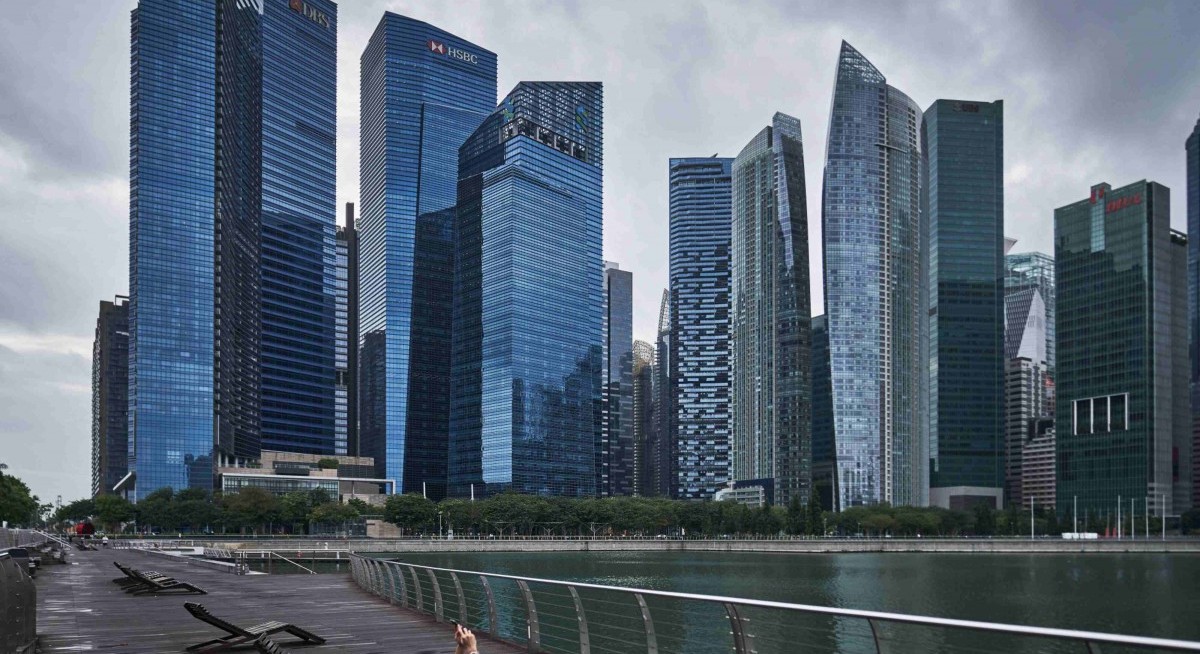
Returning to the office is now a matter of job security as much as productivity. If a job can be performed 100% remotely, it is no longer tethered to the Singaporean wage floor, writes Justin Chen, CEO of Arcc Spaces. Photo: Bloomberg
Font Resizer

Share to Whatsapp

Share to Facebook

Share to LinkedIn

Scroll to top

like.svg

Follow us on Facebook and join our Telegram channel for the latest updates.
Add as a preferred source on Google
The traditional 10-year office lease, once the undisputed bedrock of corporate strategy in Singapore, has reached its terminal point. What was once a symbol of permanence and stability has now transformed into a liability. While MNCs have flirted with shorter terms for years, 2026 is the year of the final break.

Singapore is currently facing a structural deadlock in the form of a “supply cliff”. Grade-A CBD completions for 2026 and 2027 are limited to just 0.6 million sq ft, which is a third of the nation’s historical annual demand.
This is also driving prime vacancy rates below 4% and pushing rents up by 7% this year.


Singapore’s 10-year office lease is dead

Justin Chen

Justin ChenFri, Mar 06, 2026 • 07:00 AM GMT+08 • 4 min read

Singapore’s 10-year office lease is dead

Returning to the office is now a matter of job security as much as productivity. If a job can be performed 100% remotely, it is no longer tethered to the Singaporean wage floor, writes Justin Chen, CEO of Arcc Spaces. Photo: Bloomberg
Font Resizer

Share to Whatsapp

Share to Facebook

Share to LinkedIn

Scroll to top

like.svg

Follow us on Facebook and join our Telegram channel for the latest updates.

Add as a preferred source on Google
The traditional 10-year office lease, once the undisputed bedrock of corporate strategy in Singapore, has reached its terminal point. What was once a symbol of permanence and stability has now transformed into a liability. While MNCs have flirted with shorter terms for years, 2026 is the year of the final break.
Singapore is currently facing a structural deadlock in the form of a “supply cliff”. Grade-A CBD completions for 2026 and 2027 are limited to just 0.6 million sq ft, which is a third of the nation’s historical annual demand.
This is also driving prime vacancy rates below 4% and pushing rents up by 7% this year.
 
US Retail Sales Fell in January on Fewer Vehicle Purchases


By Julia Fanzeres
March 6, 2026 at 9:36 PM GMT+8
Updated on March 6, 2026 at 10:09 PM GMT+8


US retail sales declined in January, restrained by weakness at auto dealers as winter weather-related disruptions tempered some activity.

The value of retail purchases, not adjusted for inflation, decreased 0.2% after no change in December, Commerce Department data showed Friday. Excluding car dealers, sales were little changed.
 

How do Singapore’s Henrys invest?​

Henrys tend to invest aggressively, often without a coherent strategy or clear financial goals. With limited time and bandwidth, they are more likely to follow peer advice or market trends when investing.

This can result in significant exposure to speculative assets such as crypto or concentrated positions in single stocks, particularly in sectors like tech. Blackbox’s SensingSG research found that high-income earners in Singapore are 50 per cent more likely to invest in cryptocurrencies than medium-income earners.

Many also invest in property, influenced by their parents’ success with real estate. Property feels familiar and safe, but it can lead to overconcentration, illiquidity and sizeable mortgage obligations that limit financial flexibility later in life.

 
Back
Top