In Singapore, ‘Henry’ also worries about retiring with enough
The country’s ‘high earners but not rich yet’ are not immune to financial insecurity
Summarise
 Add BT as a preferred source
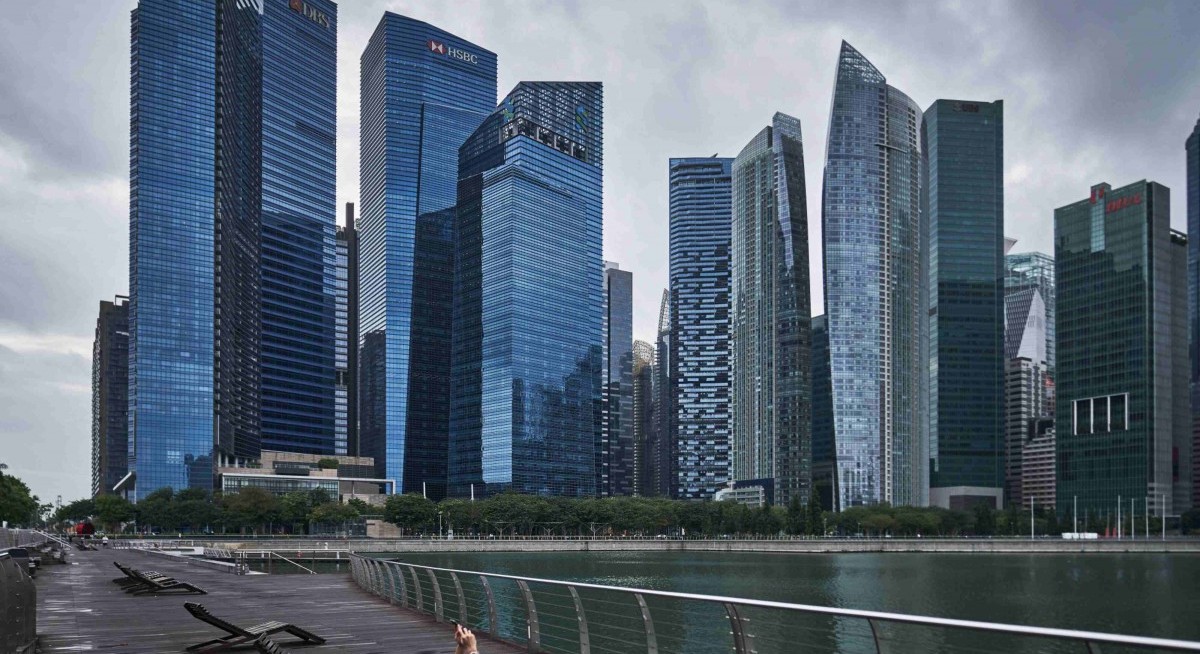
- In a high-cost, high-expectation society like Singapore, even high earners are not immune to insecurity, says the writer. PHOTO: YEN MENG JIIN, BT
- In a high-cost, high-expectation society like Singapore, even high earners are not immune to insecurity, says the writer. PHOTO: YEN MENG JIIN, BT
- In a high-cost, high-expectation society like Singapore, even high earners are not immune to insecurity, says the writer. PHOTO: YEN MENG JIIN, BT
- In a high-cost, high-expectation society like Singapore, even high earners are not immune to insecurity, says the writer. PHOTO: YEN MENG JIIN, BT
- In a high-cost, high-expectation society like Singapore, even high earners are not immune to insecurity, says the writer. PHOTO: YEN MENG JIIN, BT
Published Sat, Mar 7, 2026 · 07:15 AM
MEET Henrik and Ryna, a married couple in their 30s who each make S$15,000 a month. Their salaries seem aspirational, yet they often feel uncertain about retirement adequacy.
These archetypal characters are “Henry” – short for “high earner but not rich yet”, typically defined as households in the top 10 to 15 per cent.
The paradox of high income paired with persistent anxiety deserves closer examination, especially in a society grappling with rising costs and shifting financial benchmarks.
To understand the Henrys’ anxieties, we must first look at their financial realities.
Henrys typically hold senior positions and juggle demanding schedules. Many live in private property, drive cars and outsource domestic chores. Wellness and self-care are priorities, and social memberships are common. They want the best for their kids, often purchasing enrichment classes and experiences.
These choices are not frivolous on their own, but together they create a high fixed-cost lifestyle.
How do Singapore’s Henrys invest?
Henrys tend to invest aggressively, often without a coherent strategy or clear financial goals. With limited time and bandwidth, they are more likely to follow peer advice or market trends when investing.
This can result in significant exposure to speculative assets such as crypto or concentrated positions in single stocks, particularly in sectors like tech. Blackbox’s SensingSG research found that high-income earners in Singapore are 50 per cent more likely to invest in cryptocurrencies than medium-income earners.
Many also invest in property, influenced by their parents’ success with real estate. Property feels familiar and safe, but it can lead to overconcentration, illiquidity and sizeable mortgage obligations that limit financial flexibility later in life.