

- Joined
- May 16, 2023
- Messages
- 48,583
- Points
- 113
Large quakes in region can affect land in Singapore: Study
Get ST's newsletters delivered to your inbox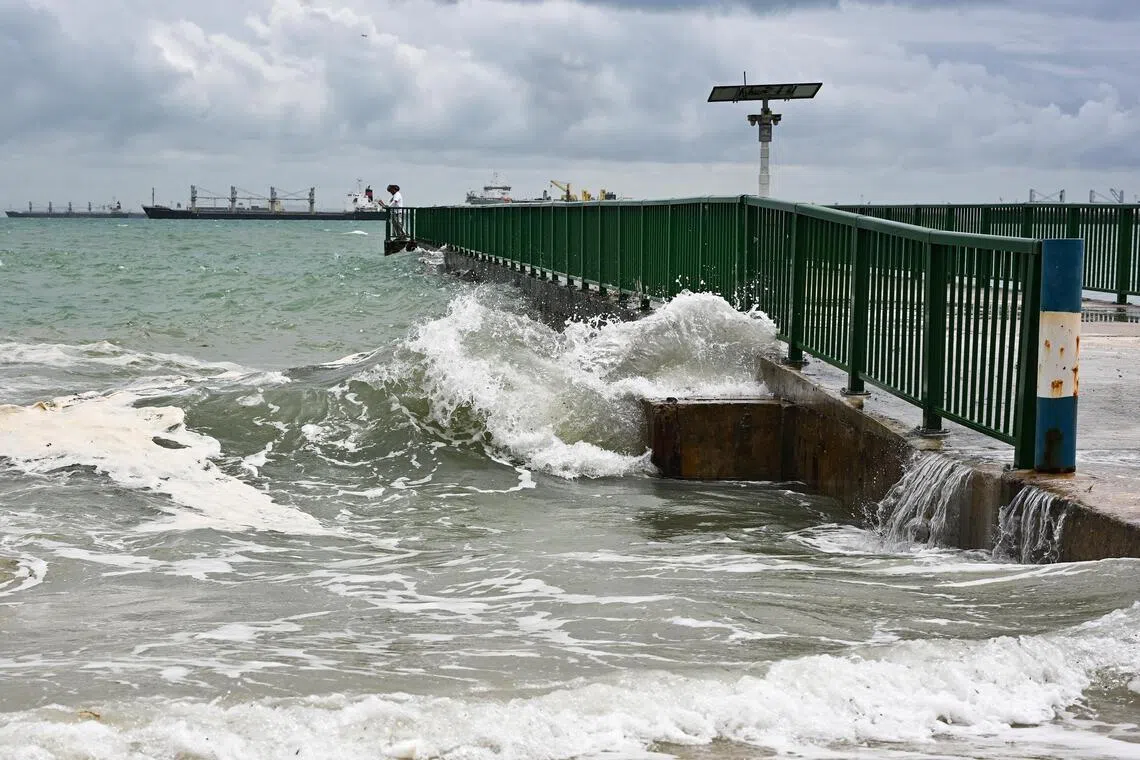
Researchers found that coastal flood risks could be underestimated due to sinking caused by large earthquakes.
ST PHOTO: LIM YAOHUI
Published Jul 13, 2026, 10:45 AM
Updated Jul 13, 2026, 09:31 PM
Set as preferred source
Listen
Summarise
SINGAPORE – The devastating 9.2-magnitude earthquake off the coast of Sumatra in 2004 caused land in Singapore to sink gradually in the years that followed, scientists have found.
While the shift was just up to several millimetres annually, it is important to take such measurements into account when studying sea-level rise and developing plans for adapting to climate change, they said.
Research led by Nanyang Technological University (NTU) revealed that large tremors in Sumatra have caused land to dip not just in the Republic, but also in neighbouring countries Malaysia and Thailand.
The geologists found that the ground continued to shift, even in places more than 600km away from where the earthquakes had occurred.
Without accounting for how land sinks and rises, also known as vertical land motion, coastal flood risks in low-lying areas could be underestimated, they said.
These findings, published in the scientific journal Communications Earth & Environment, were announced by the university on July 10.


