
- Joined
- Apr 14, 2011
- Messages
- 21,641
- Points
- 113
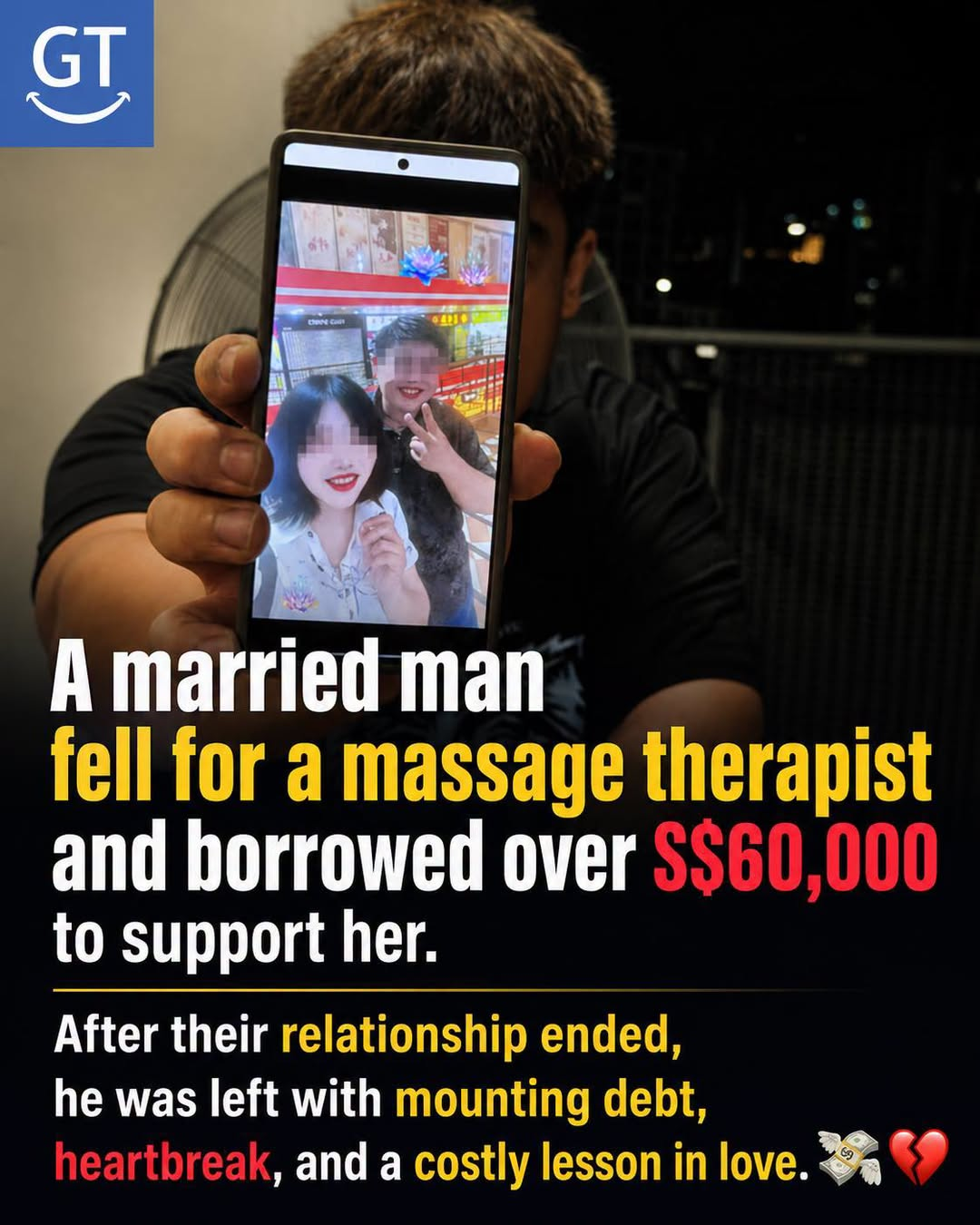
A 43-year-old married logistics worker in Singapore says he borrowed around S$60,000 from banks and licensed moneylenders to support a massage therapist he believed was his girlfriend, only to later realize he had been taken advantage of.
Mr. Deng said he met the 44-year-old woman at a massage parlour in Toa Payoh in December 2025. After several visits, the two became close, regularly chatting and sharing personal matters. By the end of February 2026, they had entered into a romantic relationship.
In March, the woman allegedly told him she was facing serious financial difficulties. She claimed she had borrowed heavily from relatives and friends to renovate a new house in China and was struggling to repay the debts. Wanting to help, Mr. Deng began sending money, including transfers to her mother through a remittance service.
Over several months, he transferred at least S$40,000 and spent another S$20,000 on her, including helping her meet sales targets and buying her a new iPhone. Because his salary was managed by his wife, he took out loans to fund the expenses.
After the relationship ended, he asked for repayment, but she allegedly refused. The woman has reportedly left Singapore and cannot be contacted. Mr. Deng said the experience taught him a costly lesson and hopes others will not make the same mistake.
Lesson:
 She said goodbye. The bank said, “See you next month.”
Turns out, the most committed relationship in his life wasn’t with her—it was with his loan repayment plan
Mr. Deng said he met the 44-year-old woman at a massage parlour in Toa Payoh in December 2025. After several visits, the two became close, regularly chatting and sharing personal matters. By the end of February 2026, they had entered into a romantic relationship.
In March, the woman allegedly told him she was facing serious financial difficulties. She claimed she had borrowed heavily from relatives and friends to renovate a new house in China and was struggling to repay the debts. Wanting to help, Mr. Deng began sending money, including transfers to her mother through a remittance service.
Over several months, he transferred at least S$40,000 and spent another S$20,000 on her, including helping her meet sales targets and buying her a new iPhone. Because his salary was managed by his wife, he took out loans to fund the expenses.
After the relationship ended, he asked for repayment, but she allegedly refused. The woman has reportedly left Singapore and cannot be contacted. Mr. Deng said the experience taught him a costly lesson and hopes others will not make the same mistake.
Lesson:
Turns out, the most committed relationship in his life wasn’t with her—it was with his loan repayment plan


