

- Joined
- May 16, 2023
- Messages
- 48,743
- Points
- 113
Commentary: The other recession risk that Singapore should be wary of
Weaker social ties and community involvement can contribute to the risk of a social recession in Singapore, say Nicholas Thomas, Wong Kang Li and Wilson Goh from the Institute of Policy Studies.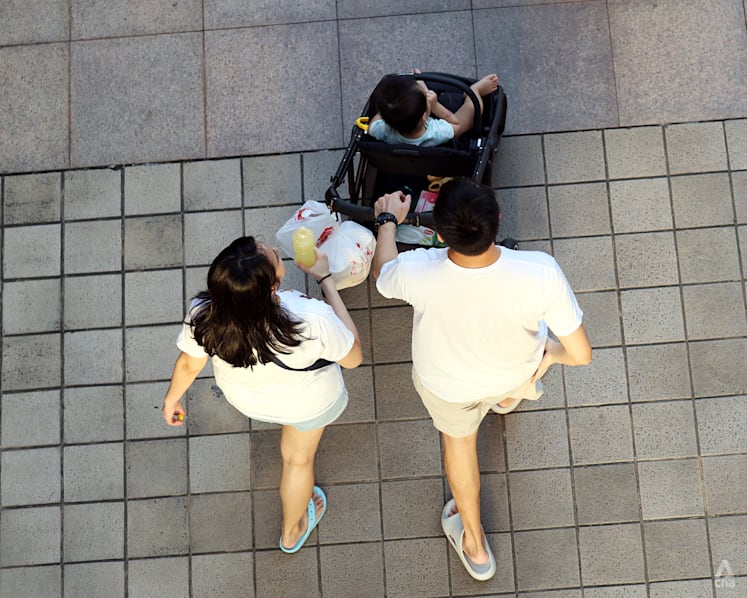



Nicholas Thomas , Wong Kang Li & Wilson Goh
22 Jul 2026 06:00AM (Updated: 22 Jul 2026 10:29AM)
BookmarkShare
Set CNA as your preferred source on Google
Read a summary of this article on FAST.
FAST
SINGAPORE: For the first time, married couples living with children make up less than half of Singapore’s households. The finding, from the latest General Household Survey released on Jun 30, sits alongside two others: More young residents are staying single and families are getting smaller.
These shifts, usually discussed through the lenses of marriage, fertility and ageing, can be parsed through a different perspective. As households shrink and fewer people live within family networks, more of the weight of connection shifts to ties beyond the family, such as friends, neighbours, community groups and civic life.
ADVERTISEMENT
This hints at the risk of another kind of downturn - not the kind that shows up in GDP figures. Instead, this is revealed in the form of fewer friendships, weaker community ties and a creeping sense that we are living beside one another rather than with one another.
This is what researchers sometimes call a social recession, loosely defined as a decline in communal bonds that keep people supported and well, or the erosion of social capital where people lose trust and socially recede from one another.


