- Joined
- Jul 25, 2008
- Messages
- 15,474
- Points
- 113
Editorial
How did The Straits Times rewrite the Law Society story with a new narrative, not an update?
The Straits Times replaced its original report on the Law Society EGM with a reframed narrative suggesting resolution, without disclosing the change. This raises questions about media independence, especially as SPH Media Trust stands to receive up to S$900 million in public funding.
11 December 2025
By The Online Citizen

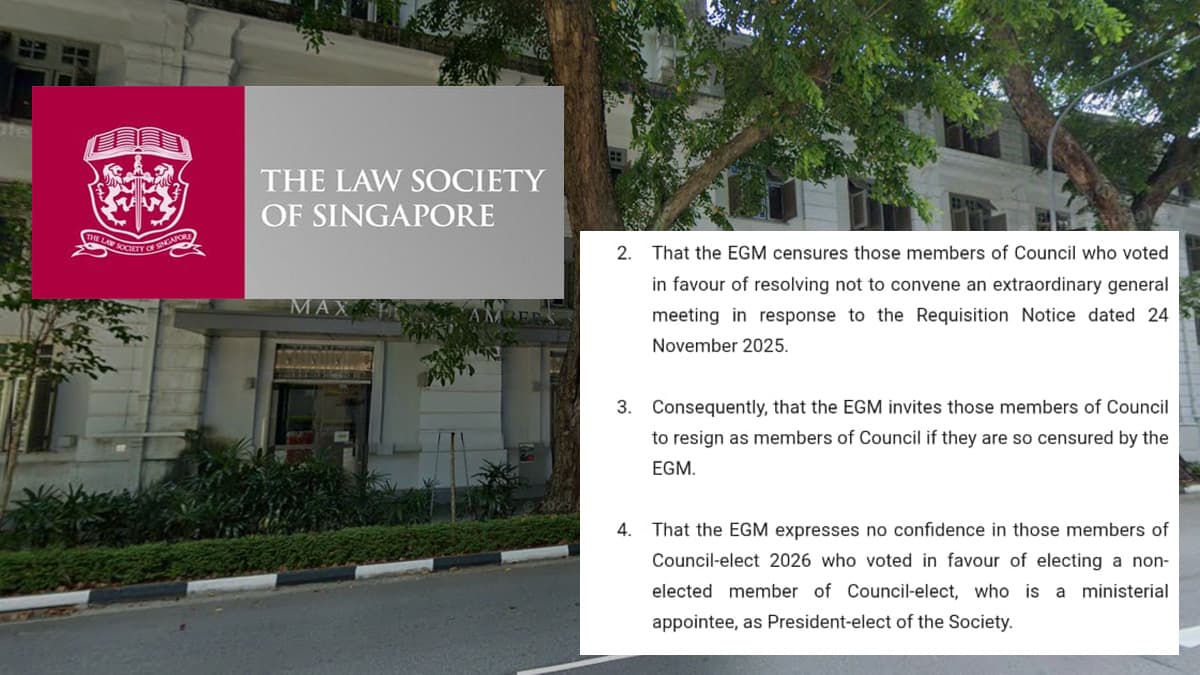
On 10 December 2025, The Straits Times published an article headlined “Former Law Society leaders call for EGM to protest election of new president.”
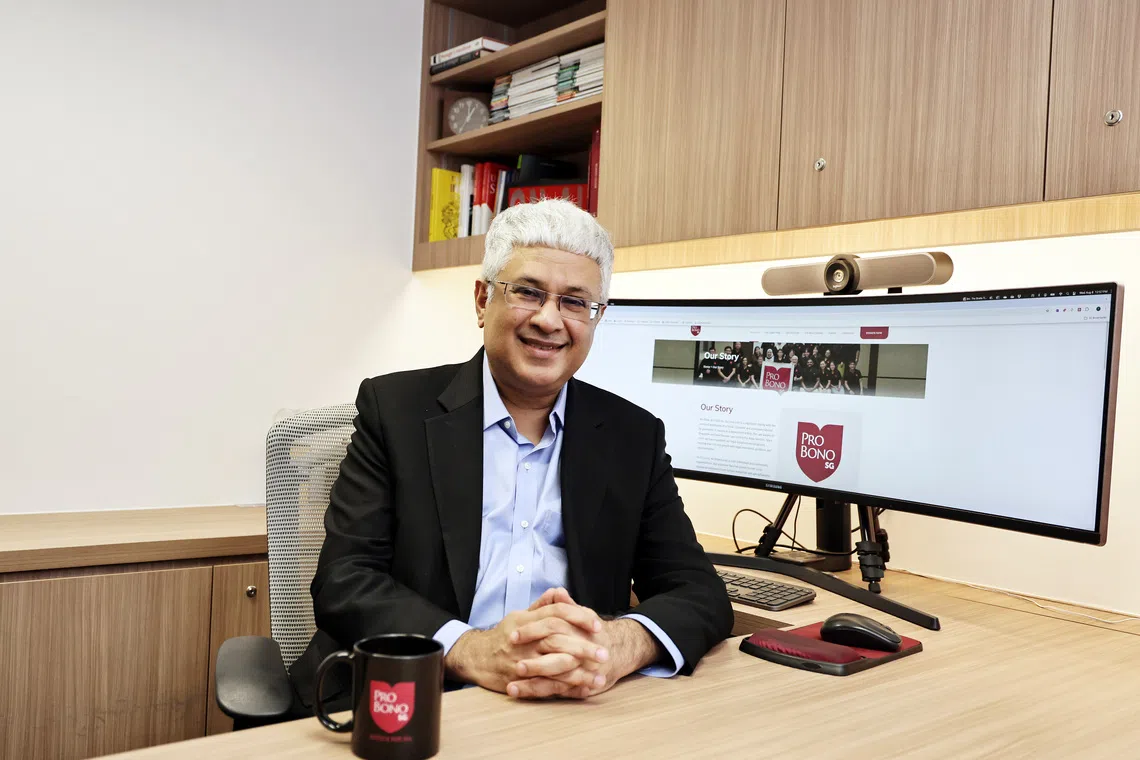
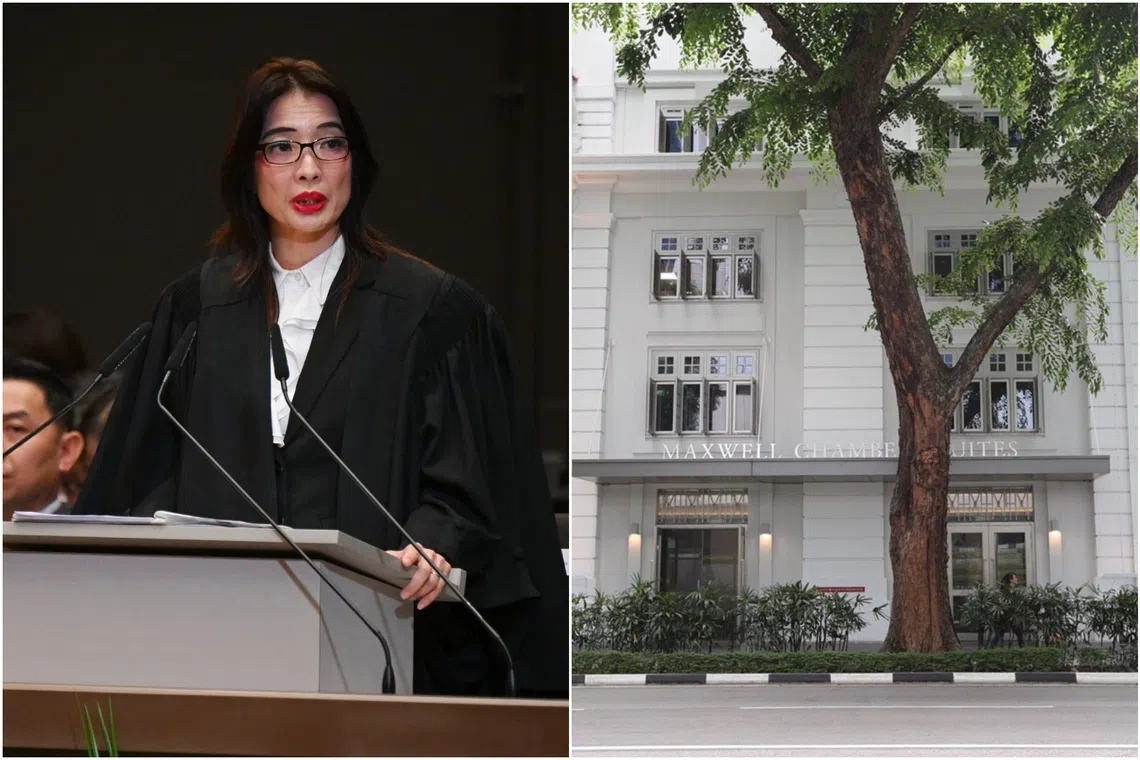
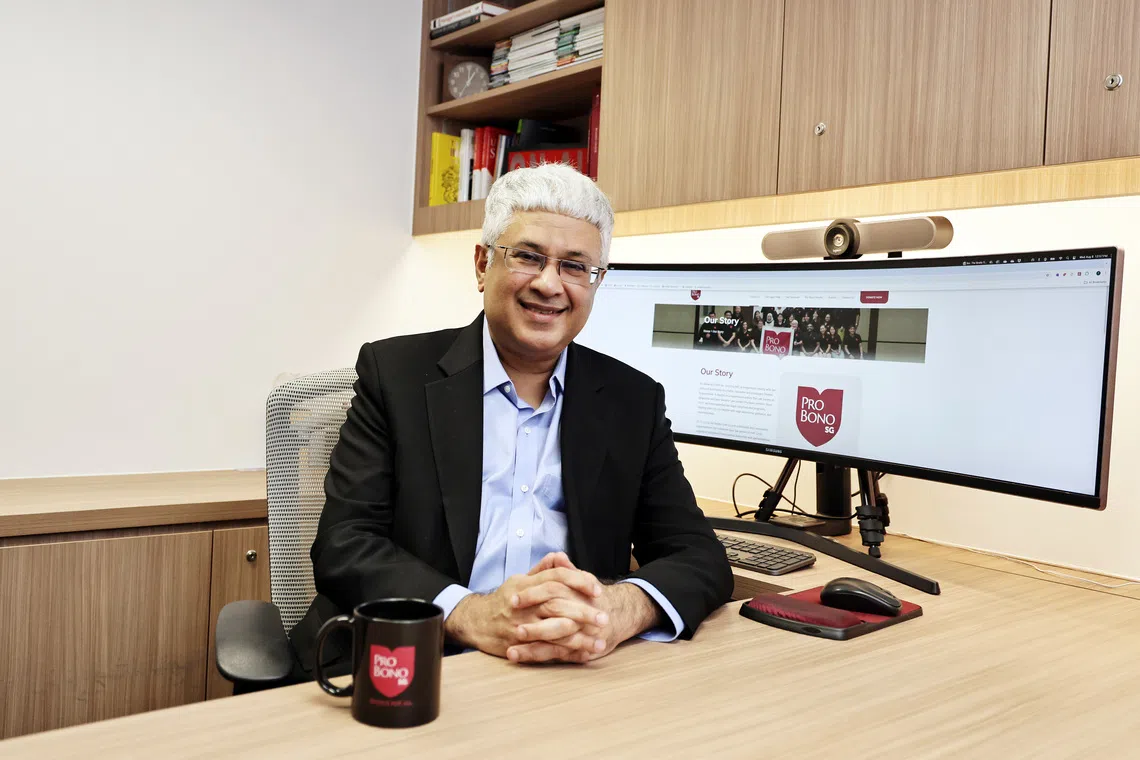
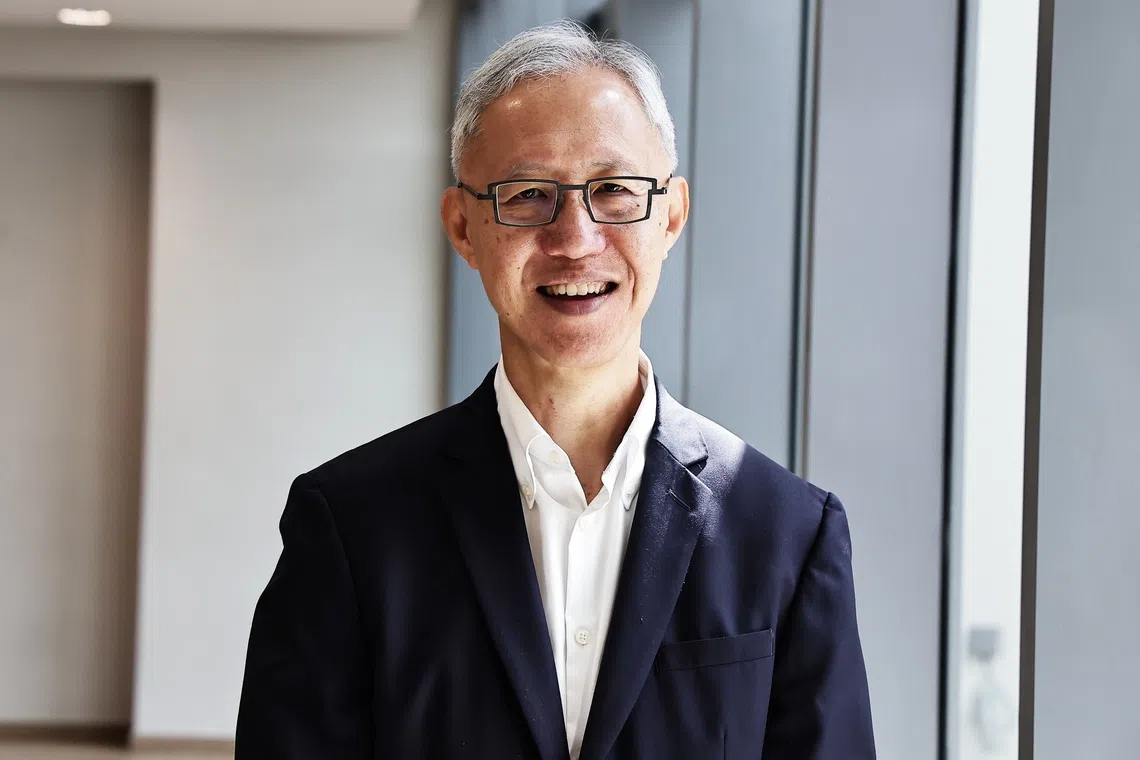
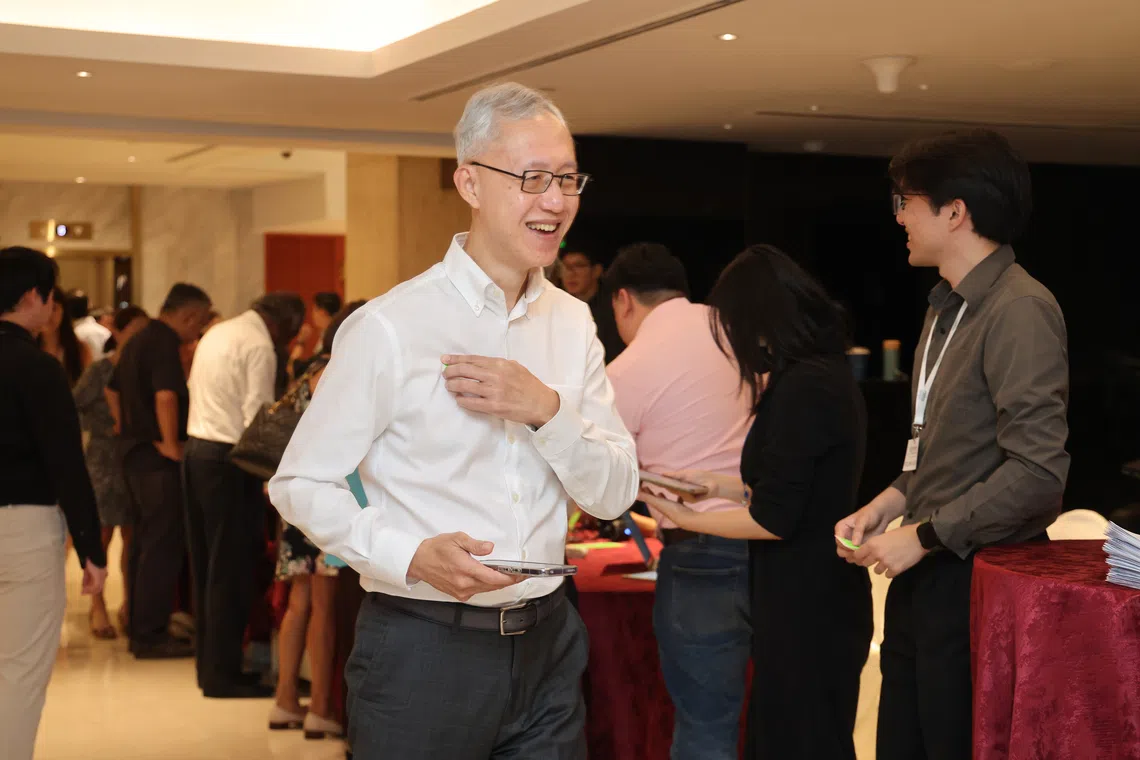
It was clear, direct, and grounded in public interest: veteran lawyers and former Law Society presidents Peter Cuthbert Low and Chandra Mohan Nair had called an Extraordinary General Meeting (EGM) to challenge the appointment of Dinesh Singh Dhillon as President for the 2026 term.
The report explained that Dhillon had not been elected by the wider legal profession, but had instead been appointed to the Council under ministerial powers, and subsequently voted into the presidency by the Council.
The concern was not personal — but procedural, and principled. The requisitionists sought to affirm that the Law Society’s leadership should reflect democratic legitimacy, and protect the independence of the Bar.
But by the next day — 11 December — the original article, which had likely been widely circulated, was no longer accessible. Its link now redirected to a new report, bearing a different headline and framing: “Law Society members strike compromise over election of new president.”
Rather than updating the original piece, the publication replaced it with an entirely new narrative — one that downplayed dissent and centred on reconciliation.
The new piece introduced a meeting brokered by Senior Counsel Jimmy Yim, presented the issue as largely resolved, and quoted another senior lawyer criticising the EGM as divisive.
The EGM was reframed as largely symbolic. The voices of dissent — which had been the centre of the original report — were now background noise to a story of resolution.
What changed — and why?
Nothing about the EGM itself had changed:- It remains scheduled for 22 December 2025.
- The resolution will be debated and voted on.
- The original motion — to affirm that the President should be elected from among elected Council members — stands.
When factual reporting on institutional dissent is overwritten with a polished message of unity and legitimacy — with no transparency — the line between journalism and public relations becomes dangerously blurred.
This is not how public trust is earned
Media has a responsibility to report on institutional governance, especially when it involves professional bodies like the Law Society. When lawyers themselves are calling for greater transparency and democratic legitimacy within their own Council, it is not merely a “professional dispute” — it is a matter of public interest.To recast that story, quietly and entirely, as a compromise — just because consensus messaging emerged — betrays the reader’s trust, and undermines the credibility of journalism itself.
Does S$900 million in funding cloud editorial independence?
This editorial rewrite would be troubling in any context. But in Singapore, it cannot be viewed in isolation from the broader media environment — specifically, the Government’s commitment to fund SPH Media Trust (SMT) with up to S$900 million over five years.This is the same SMT that owns The Straits Times, Business Times, and other mainstream publications — and the same entity that admitted to inflated circulation figures between 2020 and 2022, including counting destroyed and fictitious copies.
Despite this scandal, Minister for Communications and Information Josephine Teo reaffirmed the Government’s funding commitment in Parliament.
She said the focus would be on reach and engagement, not past circulation, and argued that local news outlets like SMT are essential for Singapore’s identity and trusted information landscape.
But the rewriting of the Law Society article reflects the exact opposite of what the Minister claimed public funding is meant to support.
If anything erodes public trust in mainstream media, it is not a lack of financial resources. It is the editorial decisions that prioritise institutional harmony over transparency. It is the erasure of dissent in favour of state-aligned messaging. And it is the absence of accountability when narratives are reframed without admission or explanation.
Readers are not blind. When headlines change, angles soften, and stories are rewritten to align with institutional preferences, the public takes notice — and reconsiders whom to trust.
Media independence is not a technical KPI
Josephine Teo says funding is needed to help SMT transform and reach more Singaporeans. But media credibility is not a matter of digital outreach or vernacular engagement metrics. It rests on one principle: the freedom to tell the truth, even when it makes powerful institutions uncomfortable.And in this case, the truth was that senior lawyers raised a serious concern about legal governance. That concern deserves to be reported — not rewritten.