- Joined
- Sep 11, 2010
- Messages
- 42,094
- Points
- 113
To summarise, Oz (and by extension NZ) better wise up, wake the fuck up. Trump's US is not a reliable ally, it's a dangerous friend not to be trusted.
Denmark has been a steadfast US ally. That this appears to count for so little in Washington should give Australia pause.
Published 9 Jan 2026

Listen to this article if you're illiterate
The first Trump administration aspired to acquire Greenland; the second is now seriously increasing the pressure. Greenland, a large island in Arctic, has been part of Denmark since 1814. Today, it is a Danish autonomous territory and the largest by land area of the country’s three parts, the others being Denmark and the Faroes.
A few days ago, President Trump suddenly spoke of a timeline of 20 days or maybe two months; a takeover within three years is being discussed. The administration has proposed various ways to acquire Greenland, including convincing its approximately 60,000 people to join the US, a buyout, and forming a compact of free association like those the US has with some Pacific islands.
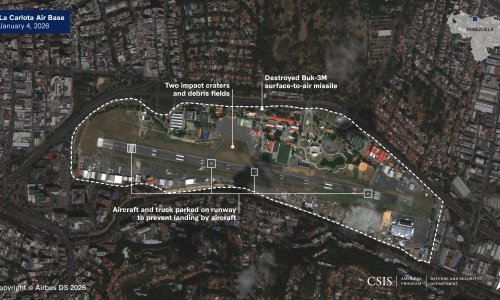
In 2025 Denmark objected to the US undertaking covert influence operations in Greenland. The US has refused to discuss the future of Greenland with the Danish and Greenlandic governments. Now, in the wake of the Venezuela raid and with talk of US dominance of the Western Hemisphere, the US has firmly linked military options with Greenland.
Denmark has long been a strong US ally and was a founding member of NATO in 1949. Since the Cold War, Danish armed forces have fought with the US in Bosnia and Herzegovina, Iraq, and Afghanistan where 44 Danish soldiers were killed, the highest per-capita loss rate of any coalition force member except for the US. Like Australia, Denmark's armed forces use US-made equipment extensively. Also like Australia, Denmark is a Level 3 manufacturing partner in the F-35 fighter program, making mainly airframe components.
This deep relationship may soon end abruptly. Danish Prime Minister Mette Frederiksen has said that an American attack on Greenland would end the NATO military alliance. While it is unclear what other nations might do, Denmark would likely leave NATO and thus the US alliance in such a situation. The US relationship with Denmark would never be the same again.
In many respects, Denmark has been as good, or better, an ally to the US than has Australia. This raises three issues.
First, Australia’s confidence in the US alliance, based at least partly on reciprocity, may be misplaced. Australia participates in US-led wars expecting that the US would return the favour if Australia was at war. Australian ministers and officials often remind us that Australians have fought alongside the US since World War I. Australia’s loyalty, it is hoped, will mean the US is obliged to help Australia militarily in a future crisis. But Denmark’s Greenland experience suggests this belief is unfounded. Danish loyalty is clearly considered irrelevant by the Trump administration. Thus, Australia needs to revise its stance. In particular, Australia’s current military involvements in the Middle East need re-examining; these could be gaining Australia nothing.
Second, it seems that the alliance is increasingly one of interests, not values. Australia and the US appear to share an interest in balancing Chinese military power in the Indo-Pacific, but this is perhaps becoming the sole rationale for the alliance. The US appears willing to sacrifice Danish interests for even minor gains. This is also evident in America’s reluctance to commit clearly to defending NATO’s Baltic nations from Russian invasion. Such patterns suggest the US alliance may be narrowing to include only steadfast partners like Australia – and even then, only as long as they align with current US priorities. The concern is that these priorities are national interests decided by the US without consultation, so they may change quickly and perhaps radically.
Third is the question of whether Australia should push back against US declarations about Greenland.
Australia opposes Russia’s attempts at territorial expansion, rejects China’s claim to owning most of the South China Sea, and approves of the UN charter on self-determination. The Greenland case appears to fall into the category of hostile takeovers.
European nations are slowly combining to oppose the Trump administration, although they are cornered in also wanting US help with Ukraine. An element of US divide and conquer is emerging, where Europe will be pressured into accepting American territorial expansion. Some European nations released a joint statement: “Greenland belongs to its people, and only Denmark and Greenland can decide on matters concerning their relations.” Greenlanders are opposed to the American bid.
The Trump administration appears to be approaching a point of radically rethinking its global alliance network. The value of collective defence is being savagely downgraded. Success in Greenland might reinforce America’s – and perhaps other great powers’ – lurch towards unilateral nationalism.
It may soon be time for Australia to join European and NATO nations in expressing concern. If there is no pushback, the administration will assume that allies are content with its treatment of Denmark. This style of destructive alliance management might then spread to European nations and the Indo-Pacific. Better outcomes may come from middle powers standing together, rather than waiting to be assaulted individually.
If the Greenland situation worsens, the Australian government will eventually be forced to take a stand.
https://www.lowyinstitute.org/the-interpreter/australia-s-suddenly-emerging-greenland-dilemma
Australia’s suddenly emerging Greenland dilemma
Peter LaytonDenmark has been a steadfast US ally. That this appears to count for so little in Washington should give Australia pause.
Published 9 Jan 2026
Listen to this article if you're illiterate
The first Trump administration aspired to acquire Greenland; the second is now seriously increasing the pressure. Greenland, a large island in Arctic, has been part of Denmark since 1814. Today, it is a Danish autonomous territory and the largest by land area of the country’s three parts, the others being Denmark and the Faroes.
A few days ago, President Trump suddenly spoke of a timeline of 20 days or maybe two months; a takeover within three years is being discussed. The administration has proposed various ways to acquire Greenland, including convincing its approximately 60,000 people to join the US, a buyout, and forming a compact of free association like those the US has with some Pacific islands.
In 2025 Denmark objected to the US undertaking covert influence operations in Greenland. The US has refused to discuss the future of Greenland with the Danish and Greenlandic governments. Now, in the wake of the Venezuela raid and with talk of US dominance of the Western Hemisphere, the US has firmly linked military options with Greenland.
Denmark has long been a strong US ally and was a founding member of NATO in 1949. Since the Cold War, Danish armed forces have fought with the US in Bosnia and Herzegovina, Iraq, and Afghanistan where 44 Danish soldiers were killed, the highest per-capita loss rate of any coalition force member except for the US. Like Australia, Denmark's armed forces use US-made equipment extensively. Also like Australia, Denmark is a Level 3 manufacturing partner in the F-35 fighter program, making mainly airframe components.
This deep relationship may soon end abruptly. Danish Prime Minister Mette Frederiksen has said that an American attack on Greenland would end the NATO military alliance. While it is unclear what other nations might do, Denmark would likely leave NATO and thus the US alliance in such a situation. The US relationship with Denmark would never be the same again.
In many respects, Denmark has been as good, or better, an ally to the US than has Australia. This raises three issues.
First, Australia’s confidence in the US alliance, based at least partly on reciprocity, may be misplaced. Australia participates in US-led wars expecting that the US would return the favour if Australia was at war. Australian ministers and officials often remind us that Australians have fought alongside the US since World War I. Australia’s loyalty, it is hoped, will mean the US is obliged to help Australia militarily in a future crisis. But Denmark’s Greenland experience suggests this belief is unfounded. Danish loyalty is clearly considered irrelevant by the Trump administration. Thus, Australia needs to revise its stance. In particular, Australia’s current military involvements in the Middle East need re-examining; these could be gaining Australia nothing.
Second, it seems that the alliance is increasingly one of interests, not values. Australia and the US appear to share an interest in balancing Chinese military power in the Indo-Pacific, but this is perhaps becoming the sole rationale for the alliance. The US appears willing to sacrifice Danish interests for even minor gains. This is also evident in America’s reluctance to commit clearly to defending NATO’s Baltic nations from Russian invasion. Such patterns suggest the US alliance may be narrowing to include only steadfast partners like Australia – and even then, only as long as they align with current US priorities. The concern is that these priorities are national interests decided by the US without consultation, so they may change quickly and perhaps radically.
Third is the question of whether Australia should push back against US declarations about Greenland.
Australia opposes Russia’s attempts at territorial expansion, rejects China’s claim to owning most of the South China Sea, and approves of the UN charter on self-determination. The Greenland case appears to fall into the category of hostile takeovers.
European nations are slowly combining to oppose the Trump administration, although they are cornered in also wanting US help with Ukraine. An element of US divide and conquer is emerging, where Europe will be pressured into accepting American territorial expansion. Some European nations released a joint statement: “Greenland belongs to its people, and only Denmark and Greenland can decide on matters concerning their relations.” Greenlanders are opposed to the American bid.
The Trump administration appears to be approaching a point of radically rethinking its global alliance network. The value of collective defence is being savagely downgraded. Success in Greenland might reinforce America’s – and perhaps other great powers’ – lurch towards unilateral nationalism.
It may soon be time for Australia to join European and NATO nations in expressing concern. If there is no pushback, the administration will assume that allies are content with its treatment of Denmark. This style of destructive alliance management might then spread to European nations and the Indo-Pacific. Better outcomes may come from middle powers standing together, rather than waiting to be assaulted individually.
If the Greenland situation worsens, the Australian government will eventually be forced to take a stand.
https://www.lowyinstitute.org/the-interpreter/australia-s-suddenly-emerging-greenland-dilemma