- Joined
- Jul 9, 2011
- Messages
- 2,759
- Points
- 48
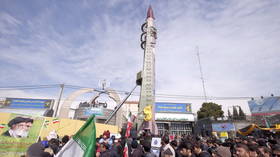
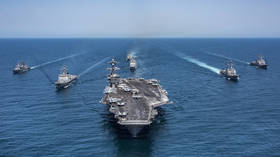
But only Chinese Rocket Army is known to be capable of targeting moving warships with ballistic missiles in the world now. Ships can move quite a few nautical miles during the duration of missile trajectory time, without ability to track the targets and command missiles to follow their new positions, until strike moment, it will be wasteful otherwise to launch at a target that far away.
https://en.wikipedia.org/wiki/List_of_sunken_aircraft_carriers
List of sunken aircraft carriers
From Wikipedia, the free encyclopedia
Jump to navigation Jump to search
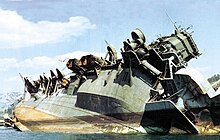
Amagi, capsized in Kure harbor, 1946
With the advent of heavier-than-air flight, the aircraft carrier has become a decisive weapon at sea.[1] In 1911 aircraft began to be successfully launched and landed on ships with the successful flight of a Curtiss Pusher aboard USS Pennsylvania.[2] The British Royal Navy pioneered the first aircraft carrier as floatplanes, as flying boats under performed compared to traditional land based aircraft.[3] The first true aircraft carrier was HMS Argus,[2][4] launched in late 1917 with a complement of 20 aircraft and a flight deck 550 ft (170 m) long and 68 ft (21 m) wide.[4] The last aircraft carrier sunk in wartime was the Japanese aircraft carrier Amagi, in Kure Harbour in July 1945. The greatest loss of life was the 2,046 killed on Akitsu Maru—a converted passenger liner with a small flight deck, carrying the Imperial Japanese Army's 64th Infantry Regiment.
Contents
Image Ship Type Aircraft component Sinking Date Location Casualties Conditions Biter later Dixmude Escort carrier 21 aircraft 10 June 1966 Mediterranean Sea — Out of service 1953. Sunk by United States Navy as target.
Germany
Image Ship Type Aircraft component Sinking Date Location Casualties Conditions Graf Zeppelin Fleet carrier 42 aircraft 16 August 1947 Baltic Sea
 55°31′03″N 18°17′09″E — Never completed during World War II and extensively damaged by retreating Germans. Raised but later sunk by USSR as target.
Italy
Image Ship Type Aircraft component Sinking Date Location Casualties Conditions Aquila Fleet carrier 51 aircraft 19 April 1945 Genova Harbor, Italy — Never completed. Sunk by Italian divers to prevent use as a blockship by Germans.
  Sparviero Light carrier 34 aircraft 5 October 1944 Genova Harbor, Italy — Never completed. Sunk by Germans to block Genova Harbor
Japan
Image Ship Type Aircraft component Sinking Date Location Casualties Conditions Akagi Fleet carrier 66 aircraft 5 June 1942
30°30′N 178°40′W 267 Crippled by dive bombers during the Battle of Midway later sunk by torpedoes from Japanese destroyers the following day.
Akagi Fleet carrier 66 aircraft 5 June 1942
30°30′N 178°40′W 267 Crippled by dive bombers during the Battle of Midway later sunk by torpedoes from Japanese destroyers the following day.  Akitsu Maru Escort carrier 8 aircraft 15 November 1944 East China Sea 2,046 Torpedoed by USS Queenfish
 Amagi Fleet carrier 66 aircraft 27 July 1945 Kure Harbor "Light" Sunk during the attack on Kure Harbour 24–27 July
  Chitose Light carrier 30 aircraft 25 October 1944
19°20′N 126°20′E 903 Sunk by torpedo bombers during the Battle of Leyte Gulf
Chitose Light carrier 30 aircraft 25 October 1944
19°20′N 126°20′E 903 Sunk by torpedo bombers during the Battle of Leyte Gulf Chiyoda Light carrier 30 aircraft 25 October 1944
18°37′N 126°45′E 1,470 Sunk by cruisers USS Santa Fe, USS Mobile, USS Wichita, and USS New Orleans during the Battle of Leyte Gulf.
Chiyoda Light carrier 30 aircraft 25 October 1944
18°37′N 126°45′E 1,470 Sunk by cruisers USS Santa Fe, USS Mobile, USS Wichita, and USS New Orleans during the Battle of Leyte Gulf.  Chuyo Escort carrier 27 aircraft 4 December 1943
32°37′N 143°39′E 1,250 Torpedoed by submarine USS Sailfish
Chuyo Escort carrier 27 aircraft 4 December 1943
32°37′N 143°39′E 1,250 Torpedoed by submarine USS Sailfish Hiyō Fleet carrier 53 aircraft 20 June 1944
16°20′N 132°32′E 247 Sunk by torpedo bombers during the Battle of the Philippine Sea
Hiyō Fleet carrier 53 aircraft 20 June 1944
16°20′N 132°32′E 247 Sunk by torpedo bombers during the Battle of the Philippine Sea Hiryū Fleet carrier 53 aircraft 5 June 1942 Midway Atoll 385 Crippled by dive bombers during the Battle of Midway, later scuttled by torpedoes fired from the Japanese destroyer Makigumo
 Kaga Fleet carrier 72 aircraft 5 June 1942 Midway Atoll 811 Crippled by dive bombers during the Battle of Midway, later scuttled by torpedoes fired from the Japanese destroyer Hagikaze
 Ryūjō Light carrier 48 aircraft 24 August 1942 Solomon Islands 120 Sunk by torpedo bombers and dive bombers during the Battle of the Eastern Solomons
 Shinano Fleet carrier 47 aircraft 29 November 1944
32°0′N 137°0′E 1,435 Torpedoed by submarine USS Archer-Fish
Shinano Fleet carrier 47 aircraft 29 November 1944
32°0′N 137°0′E 1,435 Torpedoed by submarine USS Archer-Fish Shinyo Escort carrier 27 aircraft 17 November 1944 East China Sea 1,130 Torpedoed by submarine USS Spadefish
 Shōhō Light carrier 30 aircraft 6 May 1942
16°07′S 151°54′E 834 Sunk by dive bombers during the Battle of the Coral Sea.
Shōhō Light carrier 30 aircraft 6 May 1942
16°07′S 151°54′E 834 Sunk by dive bombers during the Battle of the Coral Sea.  Shōkaku Fleet carrier 72 aircraft 19 June 1944
11°40′N 137°40′E 1,272 Torpedoed by submarine USS Cavalla during the Battle of the Philippine Sea.
Shōkaku Fleet carrier 72 aircraft 19 June 1944
11°40′N 137°40′E 1,272 Torpedoed by submarine USS Cavalla during the Battle of the Philippine Sea.  Sōryū Fleet carrier 57 aircraft 4 June 1942
30°38′N 179°13′W 711 Sunk by dive bombers during the Battle of Midway.
Sōryū Fleet carrier 57 aircraft 4 June 1942
30°38′N 179°13′W 711 Sunk by dive bombers during the Battle of Midway.  Taihō Fleet carrier 65 aircraft 19 June 1944
12°05′N 138°12′E 1,650 Torpedoed by submarine USS Albacore during the Battle of the Philippine Sea.
Taihō Fleet carrier 65 aircraft 19 June 1944
12°05′N 138°12′E 1,650 Torpedoed by submarine USS Albacore during the Battle of the Philippine Sea.  Unryū Fleet carrier 57 aircraft 19 December 1944
29°59′N 124°03′E 1,238 Torpedoed by submarine USS Redfish
Unryū Fleet carrier 57 aircraft 19 December 1944
29°59′N 124°03′E 1,238 Torpedoed by submarine USS Redfish Unyō Escort carrier 27 aircraft 17 September 1944
19°8′N 116°36′E 239 Torpedoed by submarine USS Barb
Unyō Escort carrier 27 aircraft 17 September 1944
19°8′N 116°36′E 239 Torpedoed by submarine USS Barb Zuihō Light carrier 30 aircraft 25 October 1944
19°20′N 125°15′E 215 Sunk by aircraft from US Navy Task Force 38 during the Battle of Leyte Gulf.
Zuihō Light carrier 30 aircraft 25 October 1944
19°20′N 125°15′E 215 Sunk by aircraft from US Navy Task Force 38 during the Battle of Leyte Gulf.  Zuikaku Fleet carrier 72 aircraft 25 October 1944
19°20′N 125°51′E 843 Sunk by aircraft from US Navy Task Force 38 during the Battle of Leyte Gulf
Zuikaku Fleet carrier 72 aircraft 25 October 1944
19°20′N 125°51′E 843 Sunk by aircraft from US Navy Task Force 38 during the Battle of Leyte Gulf
https://en.wikipedia.org/wiki/List_of_sunken_aircraft_carriers
List of sunken aircraft carriers
From Wikipedia, the free encyclopedia
Jump to navigation Jump to search

Amagi, capsized in Kure harbor, 1946
With the advent of heavier-than-air flight, the aircraft carrier has become a decisive weapon at sea.[1] In 1911 aircraft began to be successfully launched and landed on ships with the successful flight of a Curtiss Pusher aboard USS Pennsylvania.[2] The British Royal Navy pioneered the first aircraft carrier as floatplanes, as flying boats under performed compared to traditional land based aircraft.[3] The first true aircraft carrier was HMS Argus,[2][4] launched in late 1917 with a complement of 20 aircraft and a flight deck 550 ft (170 m) long and 68 ft (21 m) wide.[4] The last aircraft carrier sunk in wartime was the Japanese aircraft carrier Amagi, in Kure Harbour in July 1945. The greatest loss of life was the 2,046 killed on Akitsu Maru—a converted passenger liner with a small flight deck, carrying the Imperial Japanese Army's 64th Infantry Regiment.
Contents
- 1 France
- 2 Germany
- 3 Italy
- 4 Japan
- 5 United Kingdom
- 6 United States
- 7 See also
- 8 Footnotes
- 9 References
- 10 External links
Image Ship Type Aircraft component Sinking Date Location Casualties Conditions
_underway_c1943.jpg) Biter later Dixmude Escort carrier 21 aircraft 10 June 1966 Mediterranean Sea — Out of service 1953. Sunk by United States Navy as target.
Biter later Dixmude Escort carrier 21 aircraft 10 June 1966 Mediterranean Sea — Out of service 1953. Sunk by United States Navy as target.Germany
Image Ship Type Aircraft component Sinking Date Location Casualties Conditions
 Graf Zeppelin Fleet carrier 42 aircraft 16 August 1947 Baltic Sea
Italy
Image Ship Type Aircraft component Sinking Date Location Casualties Conditions
 Aquila Fleet carrier 51 aircraft 19 April 1945 Genova Harbor, Italy — Never completed. Sunk by Italian divers to prevent use as a blockship by Germans.
  Sparviero Light carrier 34 aircraft 5 October 1944 Genova Harbor, Italy — Never completed. Sunk by Germans to block Genova Harbor
Japan
Image Ship Type Aircraft component Sinking Date Location Casualties Conditions
 Akagi Fleet carrier 66 aircraft 5 June 1942
 Akitsu Maru Escort carrier 8 aircraft 15 November 1944 East China Sea 2,046 Torpedoed by USS Queenfish
 Amagi Fleet carrier 66 aircraft 27 July 1945 Kure Harbor "Light" Sunk during the attack on Kure Harbour 24–27 July
  Chitose Light carrier 30 aircraft 25 October 1944
 Chiyoda Light carrier 30 aircraft 25 October 1944
 Chuyo Escort carrier 27 aircraft 4 December 1943
 Hiyō Fleet carrier 53 aircraft 20 June 1944
 Hiryū Fleet carrier 53 aircraft 5 June 1942 Midway Atoll 385 Crippled by dive bombers during the Battle of Midway, later scuttled by torpedoes fired from the Japanese destroyer Makigumo
 Kaga Fleet carrier 72 aircraft 5 June 1942 Midway Atoll 811 Crippled by dive bombers during the Battle of Midway, later scuttled by torpedoes fired from the Japanese destroyer Hagikaze
 Ryūjō Light carrier 48 aircraft 24 August 1942 Solomon Islands 120 Sunk by torpedo bombers and dive bombers during the Battle of the Eastern Solomons
 Shinano Fleet carrier 47 aircraft 29 November 1944
 Shinyo Escort carrier 27 aircraft 17 November 1944 East China Sea 1,130 Torpedoed by submarine USS Spadefish
 Shōhō Light carrier 30 aircraft 6 May 1942
 Shōkaku Fleet carrier 72 aircraft 19 June 1944
 Sōryū Fleet carrier 57 aircraft 4 June 1942
 Taihō Fleet carrier 65 aircraft 19 June 1944
 Unryū Fleet carrier 57 aircraft 19 December 1944
 Unyō Escort carrier 27 aircraft 17 September 1944
 Zuihō Light carrier 30 aircraft 25 October 1944
 Zuikaku Fleet carrier 72 aircraft 25 October 1944

.jpg)

.jpg)


_off_Yantai_China_c1931.jpeg)
_underway_on_31_August_1965.jpg)
_at_anchor_in_Majuro_Atoll,_circa_in_1944.jpg)
_leaving_Norfolk,_October_15,_1943.jpg)

,_circa_in_late_1941_(NH_81313).jpg)
_in_San_Francisco_Bay_on_15_July_1943_(80-G-74436).jpg)
_and_USS_Somers_(DD-301)_underway_off_San_Diego,_in_1928_(NH_81279).jpg)
_leaving_San_Diego_on_14_October_1941_(80-G-416362).jpg)


_near_Midway_Atoll_1967.jpg)
_underway_in_Puget_Sound_on_3_January_1944_(NH_95651).jpg)

_underway,_circa_in_1942_(80-G-K-459).jpg)
_entering_Hampton_Roads_on_26_May_1942.jpg)
_Jul1937.jpg)