

- Joined
- Mar 11, 2013
- Messages
- 17,368
- Points
- 113
The government has unveiled a new non-statutory definition of anti-Muslim hate as part of a wider strategy on social cohesion.
Communities Secretary Steve Reed said the government has a duty to act against record levels of hate crime against Muslims, but that “you can’t tackle a problem if you can’t describe it”.
The definition aims to both protect people from “unacceptable prejudice, discrimination and hatred” and uphold the right to freedom of speech.
“Today, we are adopting a non-statutory definition of anti-Muslim hostility,” he told the Commons on Monday.
“This gives a clear explanation of unacceptable prejudice, discrimination and hatred targeting Muslims, so we can take action to stop it.
“The definition safeguards our fundamental right to freedom of speech about religion in general or any religion in particular and ensures that concerns raised in the public interest are protected.”

Housing, Communities and Local Government Secretary Steve Reed (PA)
“Anti-Muslim hostility is intentionally engaging in, assisting or encouraging criminal acts – including acts of violence, vandalism, harassment, or intimidation, whether physical, verbal, written or electronically communicated – that are directed at Muslims because of their religion or at those who are perceived to be Muslim, including where that perception is based on assumptions about ethnicity, race or appearance.
“It is also the prejudicial stereotyping of Muslims, or people perceived to be Muslim including because of their ethnic or racial backgrounds or their appearance, and treating them as a collective group defined by fixed and negative characteristics, with the intention of encouraging hatred against them, irrespective of their actual opinions, beliefs or actions as individuals.
“It is engaging in unlawful discrimination where the relevant conduct – including the creation or use of practices and biases within institutions – is intended to disadvantage Muslims in public and economic life.”
The government states that this is a “working definition” and “may need to evolve over time as understanding of the issues develops”.
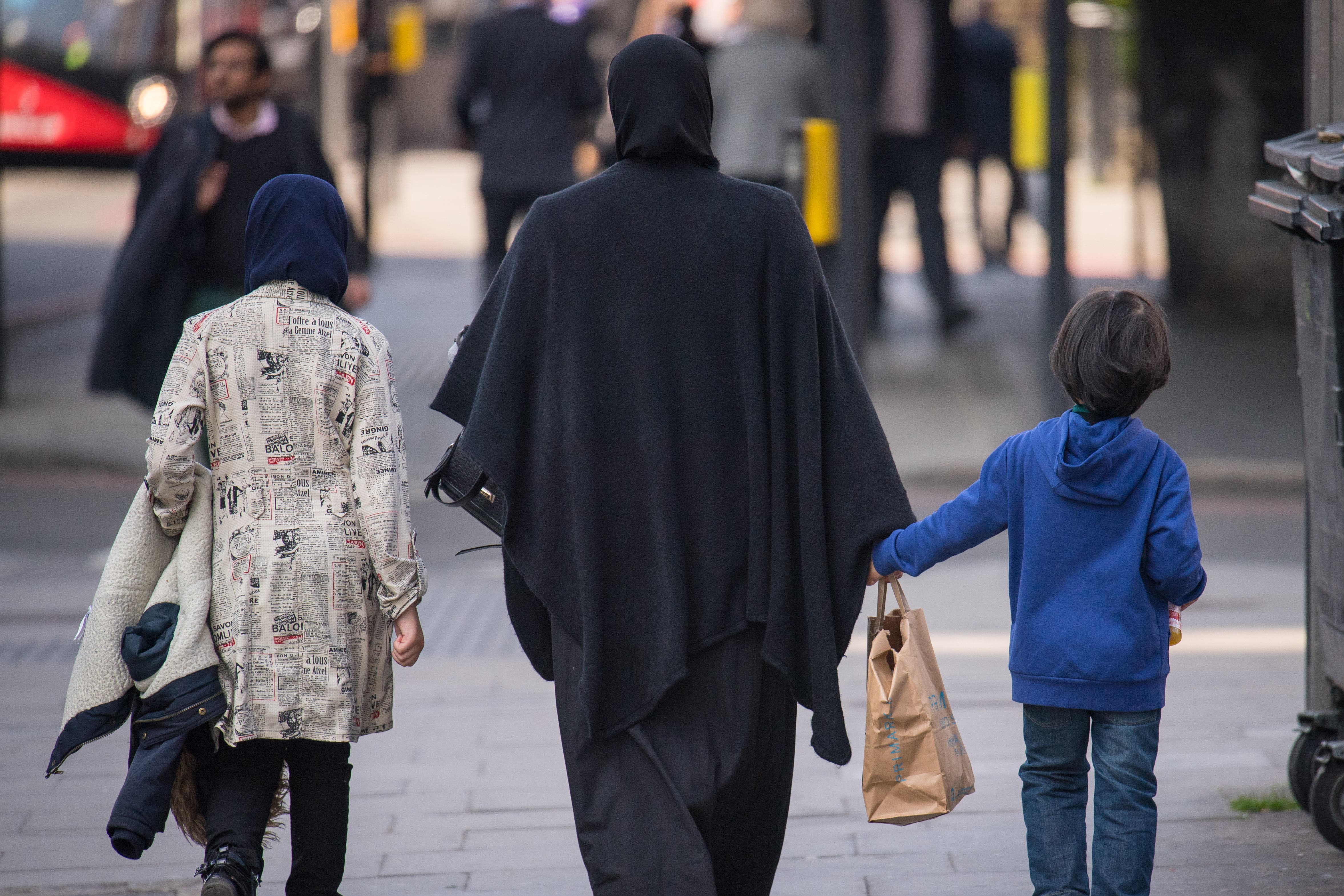
A new anti-Muslim hate definition will protect against abuse but also uphold freedom of speech, the Government said (PA)
Critics of efforts to create a new definition for Islamophobia have raised concerns that doing so could create backdoor blasphemy laws and curtail speech about Islamic extremism.
The latest Government figures, published in October, showed that religious hate crimes recorded by police in England and Wales reached a record high in the year ending March 2025.
Not including the Metropolitan Police – due to changes in the crime recording system preventing direct year-on-year comparisons – hate crimes targeted at Muslims were up by almost a fifth, from 2,690 offences recorded in the 12 months to March last year to 3,199 offences in the year ending March 2025.
In that 12-month period, there were 106 religious hate crimes per 10,000 population targeted at Jewish people, which was the highest rate for any religious group.
The second-highest rate was for hate crimes targeted at Muslims, with 12 per 10,000 population.
The wider social cohesion strategy has been described by the Government as “a rallying call for action, setting out the first steps towards a more connected, cohesive and resilient United Kingdom – a place where neighbour continues to look out for neighbour and people come together with a shared sense of
values
, pride, and belonging”.
Prime Minister Sir Keir Starmer had earlier on Monday cautioned against politicians he said are trying to “point fingers and divide”.
Sir Keir said the current Iran conflict is being used as a means of dividing different communities within the UK and that the new strategy is “not just a reaction to this conflict, it is much broader, which is how we bring the country together”.

Prime Minister Sir Keir Starmer cautioned against politicians, he said, are trying to ’point fingers and divide’ (PA)
As part of the cohesion plan, a new confidential whistleblowing route for staff to raise concerns and a “campus cohesion charter” will be introduced in an effort to boost protection for university students and staff.
The steps aim to help universities meet their Prevent duty – the legal requirement for providers to take action to stop people being radicalised and drawn into terrorism.
Mr Reed earlier said the whistleblowing route “is intended to ensure that they (universities) remain open spaces for free thinking and free debate”.
Shadow communities minister Paul Holmes said the definition “raises serious questions”, adding: “It risks undermining free speech within the law, it risks hindering legitimate criticism of Islamism, and it risks creating a backdoor blasphemy law.”
Mr Reed rejected this, saying: “There is absolutely no question of blasphemy laws by the back door.
Communities Secretary Steve Reed said the government has a duty to act against record levels of hate crime against Muslims, but that “you can’t tackle a problem if you can’t describe it”.
The definition aims to both protect people from “unacceptable prejudice, discrimination and hatred” and uphold the right to freedom of speech.
“Today, we are adopting a non-statutory definition of anti-Muslim hostility,” he told the Commons on Monday.
“This gives a clear explanation of unacceptable prejudice, discrimination and hatred targeting Muslims, so we can take action to stop it.
“The definition safeguards our fundamental right to freedom of speech about religion in general or any religion in particular and ensures that concerns raised in the public interest are protected.”
Housing, Communities and Local Government Secretary Steve Reed (PA)
The UK Government’s non-statutory definition of anti‑Muslim hostility:
The UK government’s non-statutory definition of anti-Muslim hostility is laid out over three paragraphs, and reads:“Anti-Muslim hostility is intentionally engaging in, assisting or encouraging criminal acts – including acts of violence, vandalism, harassment, or intimidation, whether physical, verbal, written or electronically communicated – that are directed at Muslims because of their religion or at those who are perceived to be Muslim, including where that perception is based on assumptions about ethnicity, race or appearance.
“It is also the prejudicial stereotyping of Muslims, or people perceived to be Muslim including because of their ethnic or racial backgrounds or their appearance, and treating them as a collective group defined by fixed and negative characteristics, with the intention of encouraging hatred against them, irrespective of their actual opinions, beliefs or actions as individuals.
“It is engaging in unlawful discrimination where the relevant conduct – including the creation or use of practices and biases within institutions – is intended to disadvantage Muslims in public and economic life.”
The government states that this is a “working definition” and “may need to evolve over time as understanding of the issues develops”.
A new anti-Muslim hate definition will protect against abuse but also uphold freedom of speech, the Government said (PA)
Critics of efforts to create a new definition for Islamophobia have raised concerns that doing so could create backdoor blasphemy laws and curtail speech about Islamic extremism.
The latest Government figures, published in October, showed that religious hate crimes recorded by police in England and Wales reached a record high in the year ending March 2025.
Not including the Metropolitan Police – due to changes in the crime recording system preventing direct year-on-year comparisons – hate crimes targeted at Muslims were up by almost a fifth, from 2,690 offences recorded in the 12 months to March last year to 3,199 offences in the year ending March 2025.
In that 12-month period, there were 106 religious hate crimes per 10,000 population targeted at Jewish people, which was the highest rate for any religious group.
The second-highest rate was for hate crimes targeted at Muslims, with 12 per 10,000 population.
The wider social cohesion strategy has been described by the Government as “a rallying call for action, setting out the first steps towards a more connected, cohesive and resilient United Kingdom – a place where neighbour continues to look out for neighbour and people come together with a shared sense of
values
, pride, and belonging”.
Prime Minister Sir Keir Starmer had earlier on Monday cautioned against politicians he said are trying to “point fingers and divide”.
Sir Keir said the current Iran conflict is being used as a means of dividing different communities within the UK and that the new strategy is “not just a reaction to this conflict, it is much broader, which is how we bring the country together”.
Prime Minister Sir Keir Starmer cautioned against politicians, he said, are trying to ’point fingers and divide’ (PA)
As part of the cohesion plan, a new confidential whistleblowing route for staff to raise concerns and a “campus cohesion charter” will be introduced in an effort to boost protection for university students and staff.
The steps aim to help universities meet their Prevent duty – the legal requirement for providers to take action to stop people being radicalised and drawn into terrorism.
Mr Reed earlier said the whistleblowing route “is intended to ensure that they (universities) remain open spaces for free thinking and free debate”.
Shadow communities minister Paul Holmes said the definition “raises serious questions”, adding: “It risks undermining free speech within the law, it risks hindering legitimate criticism of Islamism, and it risks creating a backdoor blasphemy law.”
Mr Reed rejected this, saying: “There is absolutely no question of blasphemy laws by the back door.

