

- Joined
- Jun 17, 2020
- Messages
- 17,251
- Points
- 113
After months of sustained bombardment, the assassination of Supreme Leader Khamenei, and a naval blockade that strangled Iranian ports, the United States has signed a ceasefire that leaves the Islamic Republic standing and its government in place. Washington did not achieve regime change or the unconditional surrender Trump had demanded as recently as March. The two sides have agreed to a memorandum of understanding, a 60-day nuclear negotiation window, and a formal signing ceremony in Switzerland on June 19.
Iran has agreed to reopen the Strait of Hormuz, clear mines it deployed there, commit to never pursuing nuclear weapons, and enter negotiations over surrendering its stockpile of nearly 441 kilograms of uranium enriched to 60% purity. Without that handover, there will be no sanctions relief.
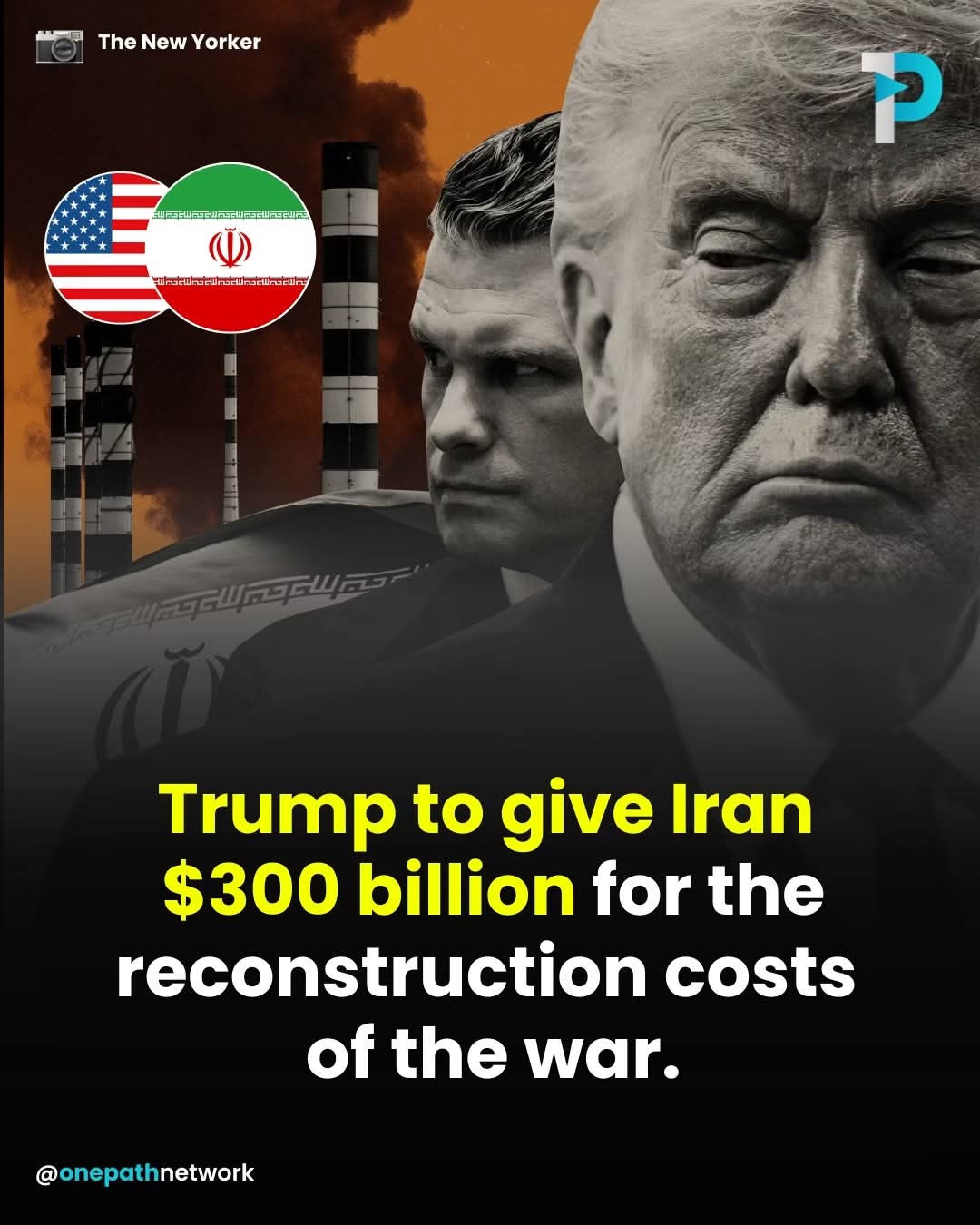
In return, a reconstruction fund of at least $300 billion, financed by the United States and Gulf states, will rebuild infrastructure devastated by the strikes. The Trump administration has avoided the word reparations, calling it an "international investment fund" instead. Approximately $24 billion in frozen assets will be released in phases, the blockade will be lifted immediately, and Tehran will regain the right to sell oil internationally.
Israel, which co-launched the February 28 strikes, has not concealed its dissatisfaction. Netanyahu's government has privately called the deal a deep disappointment. Israeli troops will remain in southern Lebanon indefinitely, and Netanyahu is seeking an urgent meeting with Trump. For Israel, the concern is stark: Iran has emerged battered but intact.
Iran has agreed to reopen the Strait of Hormuz, clear mines it deployed there, commit to never pursuing nuclear weapons, and enter negotiations over surrendering its stockpile of nearly 441 kilograms of uranium enriched to 60% purity. Without that handover, there will be no sanctions relief.
In return, a reconstruction fund of at least $300 billion, financed by the United States and Gulf states, will rebuild infrastructure devastated by the strikes. The Trump administration has avoided the word reparations, calling it an "international investment fund" instead. Approximately $24 billion in frozen assets will be released in phases, the blockade will be lifted immediately, and Tehran will regain the right to sell oil internationally.
Israel, which co-launched the February 28 strikes, has not concealed its dissatisfaction. Netanyahu's government has privately called the deal a deep disappointment. Israeli troops will remain in southern Lebanon indefinitely, and Netanyahu is seeking an urgent meeting with Trump. For Israel, the concern is stark: Iran has emerged battered but intact.


