
Singapore tops list of world’s most expensive cities for the rich for 4th year running
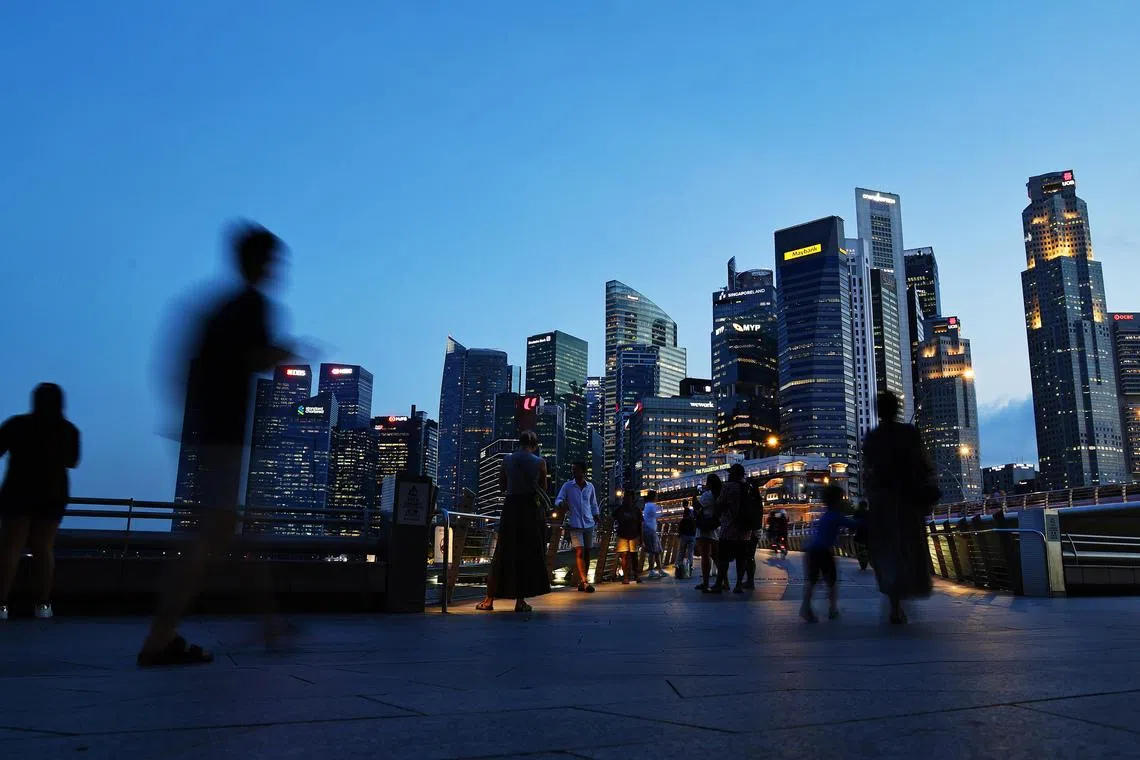
As wealth becomes more global and complex, ultra-rich families are placing greater emphasis on how and where their assets and structures are set up, particularly for tax, succession and governance purposes.
ST PHOTO: KELVIN CHNG
Published Jul 07, 2026, 09:30 AM
Updated Jul 07, 2026, 11:14 AM
SINGAPORE – Singapore has retained its position as the world’s most expensive city for the affluent for the fourth year running, reflecting the premium that global investors place on stability, a strong currency and a safe haven for capital.
As the wealthy assess their lifestyles and financial longevity, their focus has shifted from cost to value, seeking cities that offer the best mix of stability, quality of life, and balance between income and expenses, says the Julius Baer Global Wealth and Lifestyle Report 2026 released on July 7.
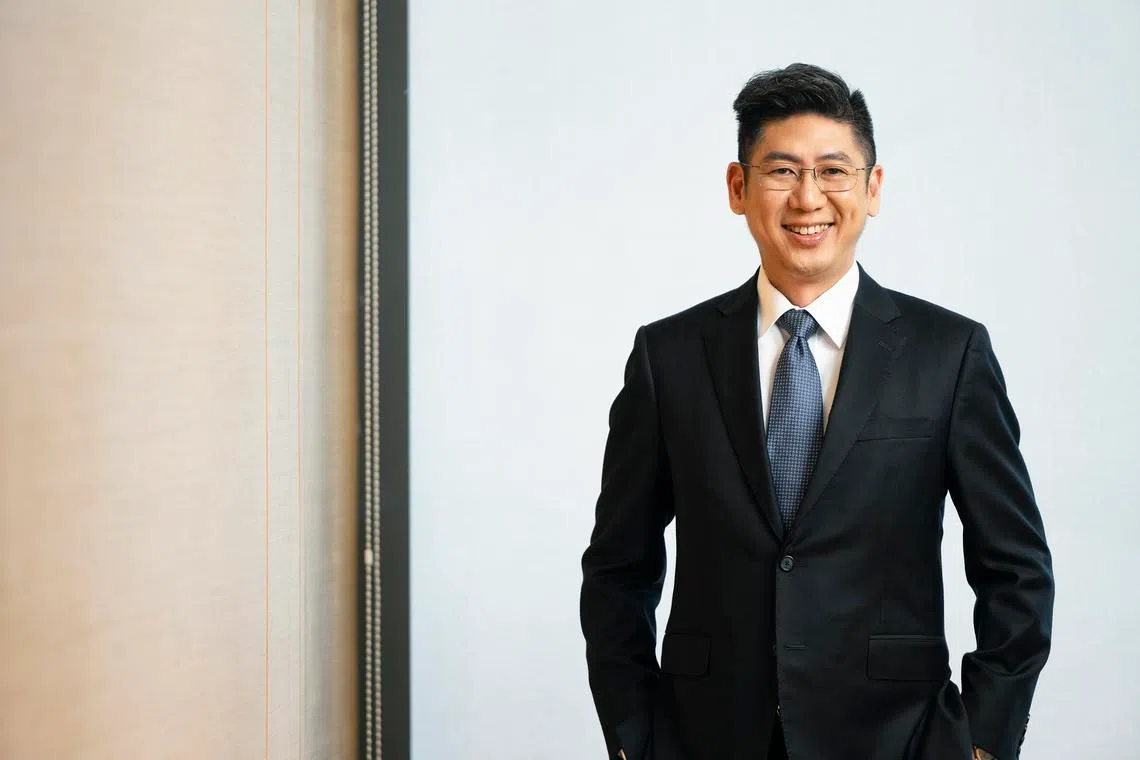
Yee Kim Tan, Julius Baer’s Singapore branch manager, said Singapore continues to stand out as a “natural choice” as the wealthy consider what assets to hold and where these assets should sit.
“It is valued for its stability, strong rule of law and the sense of security it offers when planning for the long term. For many families, it forms part of a broader, deliberate allocation across regions, alongside Europe and the Americas,” he said.
Singapore’s rank at the top of the Swiss bank’s Lifestyle Index reflects the high prices of residential property and cars – the two items that carry the heaviest weightings – as well as the strength of the Singapore dollar against the US dollar.
The Republic continues to rank as the most expensive place in the world to buy a car and third for residential property.
Singapore, along with Hong Kong, Shanghai, Sydney, Bangkok, Taipei, Tokyo, Jakarta, Mumbai and Manila, took joint first position globally for the most expensive region to get an MBA. The report said the Asia Pacific has become the most expensive region to get an MBA.
But while Singapore ranked third most expensive for healthcare in 2025, it fell to 23rd in 2026. Sao Paulo, Zurich and London took the top three spots respectively.
Zurich, long considered one of the world’s most expensive cities, climbed from its fifth spot in 2025 to displace London as the world’s second-most expensive city.
This was propelled by the Swiss franc’s appreciation against the US dollar. The currency’s strength is driven by Switzerland’s political and financial stability, which sees the franc acting as a store of value in unpredictable times, the report said.
Monaco entered the top three for the first time, pushing Hong Kong into fourth place, primarily due to a stronger euro elevating total costs in US dollar terms, but also due to higher residential property prices.
Currencies were not the only force driving the 2026 index, with rising raw material costs – particularly gold, which has more than doubled since 2024 – pushing up prices of luxury goods such as jewellery and watches.
Despite higher prices, demand from wealthy consumers remains resilient, allowing luxury brands to keep raising prices to maintain exclusivity and align global pricing with shifts in currencies, logistics and tariffs.
As wealth becomes more global and complex, ultra-rich families are placing greater emphasis on how and where their assets and structures are set up, particularly for tax, succession and governance purposes.
Mobility – both physical and financial – “is becoming a defining feature of wealth in 2026”, the report said. Not only do the wealthy choose where to live and spend, but they also allocate their assets across markets to benefit from currency trends and opportunities and hedge geopolitical risks.
The report said Asia-Pacific investors have stepped up portfolio adjustments amid geopolitical and macroeconomic uncertainty, with more than 70 per cent increasing diversification over the past year.
Many have turned to precious metals as a hedge, while also expanding geographic exposure. Beyond gold, platinum has gained traction in China, and silver has seen renewed demand in India, both in physical markets and exchange-traded products.
Asia-Pacific investors are also showing higher risk tolerance and take a longer-term view than their global peers, with many increasing both investment and spending.
While some are taking a more disciplined approach by boosting investments and cutting spending, overall appetite remains firm. Equities continue to be the preferred asset class, with cash rising to second place ahead of real estate.
Asia Pacific and the Middle East saw the highest proportion of wealthy respondents reporting higher luxury spending in the past 12 months, with hotel suites, fine dining and business class flights among the top five categories of increased spending for both regions.
Jen-Ai Chua, research analyst at Julius Baer’s equities research Asia, said high-tech artificial intelligence and semiconductor-driven growth, wealth flows and migration are fuelling fresh growth in cities like Singapore, Hong Kong, Shanghai and Sydney. But in cities where traditional legacy industries, commodities and consumption are still the mainstay of economic activity, change has been more gradual.
Asia as a whole remains the fastest-growing region on Julius Baer’s economic projections, with gross domestic product growth of 4.5 per cent in 2026 that is well above the global average of 2.9 per cent, Chua said.


