

- Joined
- Aug 20, 2022
- Messages
- 32,507
- Points
- 113
Singapore inflation expectations inch up to 3.4% on geopolitical and trade fears: survey
One-year-ahead headline inflation gauge rises from 3.3% in March, according to a DBS and SMU study
Shikhar Gupta
Published Tue, Jul 21, 2026 · 10:58 AM阅读简体中文版 (beta)
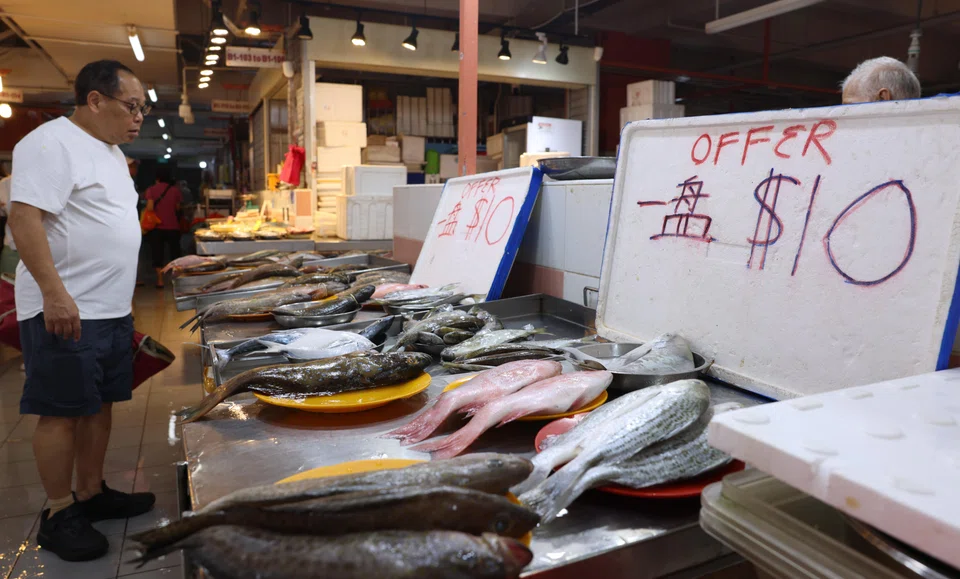
- Of the 536 respondents polled in June, 87.7% believe inflation will increase over the next year, a slight dip from 88.3% in March. PHOTO: TAY CHU YI, BT
The one-year-ahead headline inflation expectations climbed to an average of 3.4 per cent in June, from 3.3 per cent in March, according to the latest Singapore Index of Inflation Expectations (Sindex) survey conducted by DBS Group Research and the Singapore Management University (SMU).
Core inflation expectations, which exclude volatile accommodation and private transportation costs, mirrored this trend, also rising to 3.4 per cent from 3.3 per cent in the previous quarter.
“2026 has seen a rebound in global inflation, driven by supply-side constraints of energy products due to conflicts in the Middle East and demand-side pull from the artificial intelligence cycle,” noted Dr Taimur Baig, chief economist at DBS.
Of the 536 respondents polled in June, 87.7 per cent believe that inflation will increase over the next year, a slight dip from 88.3 per cent in March.
The respondents represent a cross-section of Singaporean households and residents, said DBS and SMU. Employees working in certain sectors such as journalism and marketing were excluded to prevent their professional backgrounds from skewing their responses.
Among those expecting higher prices, 57.8 per cent pointed to geopolitical uncertainties and conflicts involving Hamas, Israel, Ukraine, Russia and Iran. Supply chain disruptions were cited by 14.3 per cent, while 9.4 per cent blamed higher trade policy uncertainty, such as tariffs.
“The survey results show rising price pressures are noted by consumers, but there are no signs of a disorderly or adverse shift in sentiments with respect to the cost of living,” added Dr Baig.
MAS action and outlook
The slight uptick in consumer expectations follows the Monetary Authority of Singapore’s (MAS) decision in April to tighten monetary policy.In response to projected imported cost pressures, the central bank slightly increased the slope of the Singapore Dollar Nominal Effective Exchange Rate policy band, marking its first tightening move since October 2022.
Dr Aurobindo Ghosh, assistant professor of finance at SMU and the principal investigator of the Sindex project, suggested that MAS’ manoeuvre was effective.
“The results of the 60th quarterly DBS-SKBI Singapore Index of Inflation Expectations show that one-year-ahead inflation expectations have marginally increased in the June 2026 survey compared to March 2026, suggesting the pre-emptive tightening might have had the desired effect,” he observed.
For the long term, five-year-ahead headline inflation expectations rose to 4.3 per cent in June from 4.1 per cent in March. However, the five-year core gauge remained unchanged at 3.8 per cent.
Dr Ghosh noted that this anchoring of core expectations indicates that while short-term geopolitical risks are evident, “longer-term inflation expectations in Singapore seem to be more anchored”.
Component breakdown
Consumer expectations varied across different spending categories, reflecting specific global pressures.Inflation expectations increased for transport, going from 3.5 per cent to 3.8 per cent, reflecting vulnerability to conflict-driven oil price shocks.
Information and communication inflation expectations rose from 2.2 per cent to 2.5 per cent, which aligns with AI-driven demand shocks for computer chips. Education, household durables and services, and recreation also saw slight increases.
Conversely, expectations held flat for food at 3 per cent, housing and utilities at 3 per cent, healthcare at 4 per cent, clothing and footwear at 2 per cent and miscellaneous goods and services at 3 per cent.
Despite the anticipated price increases, respondents indicated that they expect their overall household financial and economic conditions to remain unchanged over the next 12 months, even as they anticipate slightly worsening business conditions in the short run.


