• IP addresses are NOT logged in this forum so there's no point asking. Please note that this forum is full of homophobes, racists, lunatics, schizophrenics & absolute nut jobs with a smattering of geniuses, Chinese chauvinists, Moderate Muslims and last but not least a couple of "know-it-alls" constantly sprouting their dubious wisdom. If you believe that content generated by unsavory characters might cause you offense PLEASE LEAVE NOW! Sammyboy Admin and Staff are not responsible for your hurt feelings should you choose to read any of the content here.

    The OTHER forum is HERE so please stop asking.

Rich Samster got try this Huat Kah Liao Savvy Financial Instrument LME?

k1976

Alfrescian
Loyal
Joined
May 16, 2023
Messages
47,406
Points
113
Subscribe
Newsletter
The Brink

Troubled LMEs Pave the Way for a $165 Billion Distressed Debt Opportunity​

Many out-of-court restructurings have failed to improve the financial health of companies that undergo the process


Holly Kim, founding partner of Glendon Capital Management, during the Bloomberg Global Credit Forum on June 3.

Holly Kim, founding partner of Glendon Capital Management, during the Bloomberg Global Credit Forum on June 3.Photographer: Michael Nagle/Bloomberg
By Luca Casiraghi and Irene Garcia Perez
June 6, 2026 at 11:00 PM GMT+8


Welcome to The Brink. It’s Luca Casiraghi and Irene García Pérez, and we’ve been looking at the $165 billion opportunity resulting from unsuccessful LMEs. We also have news on Reno de Medici and private credit redemption requests. Follow this link to subscribe. Send us feedback and tips at [email protected].

The throngs of aggressive debt restructuring deals that have been forced onto creditors in recent years may have created a unique opportunity for distressed investors.

More From Bloomberg​

President Trump Makes An Announcement At The Kennedy Center
Trump Says He, Not Congress, Is in Charge of Kennedy Center in Reversal

Xavier Becerra
Becerra Advances for California Governor as Hilton Fights Steyer

Japan Stocks As Asian Stocks Pulled Back From A Record High
Nasdaq 100 Sinks 5% in AI-Led Rout as Yields Climb: Markets Wrap

Google Monopoly Case By U.S. Sets Stage For Multi-Pronged Attack
SpaceX Inks $30 Billion Computing Power Deal With Google

SpaceX
SpaceX, Other Mega IPOs Denied Fast Index Entry by S&P

Top Reads​

AI Vs Money Managers
AI Is Upending One of Finance’s Cushiest Jobs

by Suzanne Woolley and Vildana Hajric


Why Amazon Has Struggled to Crack India

by Sankalp Phartiyal, Anto Antony and Matt Day


Modi’s High-Stakes Push for Sovereign AI Faces Reality Check

by Saritha Rai


Ebola Pioneer Peter Piot on How Worried the World Should Be

by Mishal Husain


HomeBTV+Market DataOpinionAudioOriginalsMagazineEvents
News
MarketsEconomicsTechnologyPoliticsGreenCryptoAI
Work & Life
WealthPursuitsBusinessweekCityLabSportsEqualityManagement & Work
Market Data
StocksCommoditiesRates & BondsCurrenciesFuturesSectorsEconomic Calendar
Explore
NewslettersExplainersPointed News QuizAlphadots GameThe Big TakeGraphicsSubmit a TipAbout Us
Terms of ServiceDo Not Sell or Share My Personal InformationTrademarksPrivacy Policy
CareersAdvertise
Ad Choices
Help©2026 Bloomberg L.P. All Rights Reserved.


Get unlimited access for just $1.99 your first month.
Claim This Offer
Sign InTerms of ServicePrivacy PolicyDo Not Sell or Share My Personal Information

 

Private Credit’s Reckoning Is Written in the ‘Laws of Physics’​


Private Credit Faces ‘Pipeline of Defaults,’ Holly Kim Says


Unmute
Current Time 0:00


Glendon Capital co-founder Holly Kim explains why the private credit industry stands to see a big “backlog of defaults” away from any economic dislocations or any other inflation-related economic inputs. She speaks at the Bloomberg Global Credit Forum in New York.Source: Bloomberg
By Dorothy Ma and Irene Garcia Perez
June 4, 2026 at 1:16 AM GMT+8
Save
Translate

Takeaways by Bloomberg AI​

Private credit is set to face higher losses in the coming years just as the industry runs through its first full cycle.

“Loss given defaults are just going to be higher” said Holly Kim, founding partner at Glendon Capital Management. “I just believe in the laws of physics.”

More From Bloomberg​

Bloomberg Global Credit Forum
Credit Titans Warn of Shakeout on Deals That ‘Don’t Make Sense’

Bloomberg Global Credit Forum
Private Credit Marks Drawing More Scrutiny From SDNY Prosecutors

Stocks Rise, Oil Falls As Traders Gauge Truce Odds
Private Credit’s Resurgent Redemptions Shatter Short-Lived Calm

Inside The Euronext NV Exchange as Paris Threatens London's European Stock Market Crown
Banks Offload $1 Trillion Loan Risk to SRT Investors, IACPM Says

Fasanara Ferrari Lending Platform
Hedge Fund Targets Ferrari Owners in Private Credit Exotics Boom

Top Reads​


How Funding Cuts Left the World Vulnerable to Ebola

by Jason Gale and Jessica Nix


How to Pay for a Life of Abundance in a World Without Work

by Saijel Kishan

AI Vs Money Managers
AI Is Upending One of Finance’s Cushiest Jobs

by Suzanne Woolley and Vildana Hajric


Why Amazon Has Struggled to Crack India

by Sankalp Phartiyal, Anto Antony and Matt Day


HomeBTV+Market DataOpinionAudioOriginalsMagazineEvents
News
MarketsEconomicsTechnologyPoliticsGreenCryptoAI
Work & Life
WealthPursuitsBusinessweekCityLabSportsEqualityManagement & Work
Market Data
StocksCommoditiesRates & BondsCurrenciesFuturesSectorsEconomic Calendar
Explore
NewslettersExplainersPointed News QuizAlphadots GameThe Big TakeGraphicsSubmit a TipAbout Us
Terms of ServiceDo Not Sell or Share My Personal InformationTrademarksPrivacy Policy
CareersAdvertise
Ad Choices
Help©2026 Bloomberg L.P. All Rights Reserved.


Get unlimited access for just $1.99 your first month.
Claim This Offer
Sign InTerms of ServicePrivacy PolicyDo Not Sell or Share My Personal Informatio
 

Cornell Chronicle​


Portrait of Sean and Holly Olson

Credit: Provided
Sean and Holly Olson have established the Olson Family Strategic Initiatives Fund at the Cornell Jeb E. Brooks School of Public Policy. They were inspired by the Brooks School’s use of data to inform policy solutions
AROUND CORNELL

News directly from Cornell's colleges and centers

Sean and Holly Olson establish a fund as “an investment in the world we want to see”​

By​

November 18, 2022LinkedInFacebookTwitterEmailShare
When Holly Olson was 10, her family emigrated from Korea to the U.S. They were very poor and did not speak English, she recalls. Her father was paralyzed. Her mother worked a sweat shop job. Holly cooked and cleaned for her family, learned English, handled the bills, and managed the household.

“Against all odds, I got accepted to Cornell under the Higher Education Opportunity Program and it changed my life,” she says. Did it ever. With plentiful food and refuge from the challenges of poverty, Holly thrived at Cornell. She grew physically and intellectually in ways that only a few years earlier were beyond her imagination.

Holly Kim Olson ’94 is now a private credit investor and co-founder of Glendon Capital Management (GCM), a firm that manages a portfolio valued in the billions. Her work is strategic, dominated by data, and focused on facts, not emotion.

The same is true for her husband, Sean Olson. He is a technology entrepreneur and co-founded PopID, a fast-growing personal digital identity company.

“As our careers demonstrate, we believe in the power of data, analysis, and evidence-based approaches,” Sean says. “And we think that’s the key to developing public policy that will create positive change in the world.”

Inspired by the Cornell Jeb E. Brooks School of Public Policy’s use of data to inform policy solutions, Sean and Holly have established the Olson Family Strategic Initiatives Fund at the Brooks School. Their fund provides current use, flexible funding for Dean Colleen Barry to make strategic investments in these early, critical years of the new school.

“We are deeply grateful for this generous, historic gift that is the first of its kind at Brooks,” Barry says. “It will allow us to strategically grow priority areas of excellence at the Brooks School, focused on real-world impact. Holly and Sean, through their generosity, will improve the lives of countless people.”

Barry met with the Olsons before they established the Fund. The conversation turned to a topic that has been a focus of her research. “She politely educated us on a social issue that we had been looking at for many years and changed our perspective on how best we, as a society, could address it,” Sean says. Adds Holly: “She didn’t rely on dogma or passion; she listened to our perspective, politely refuted quite a lot of it with data, and then laid out a better solution.”

That’s a template for real change in our society. “I view the Brooks School as a vehicle,” Holly says. “It’s teaching someone how to fish, not just giving them fish. It’s creating a whole new generation of future leaders who can create data behind policies that dramatically increases the probability of implementation. Great ideas are not enough.”

The Olsons will also include Cornell in their estate planning but decided not to wait to make a gift. “We would encourage people to give now if they can,” Sean says. “This is something people think about twenty years from now. But I encourage people to take steps now to create the kind of world they want to live in.”

Jim Hanchett is assistant dean of communications for the Cornell Jeb E. Brooks School of Public Policy.
 

The Anything-Goes Era in Private-Credit Lending Is Coming to an End

Under pressure from investors, lenders are increasing costs and curbing sweeteners they used to win loans in an era of ultra-competition​

By

AnnaMaria Andriotis
Follow

June 4, 2026 at 9:00 pm ET


YOU MAY ALSO LIKE

Checkbox
Embed code copied to clipboard
Copy Link
COPY LINK
Copy Embed
COPY EMBED
Share on FacebookFACEBOOK
Share on TwitterTWITTER


0:23
ADVERTISEMENT

Steven Tananbaum, GoldenTree Asset Management founding partner, discusses the fallout of the recent market sell-off in software companies driven by AI concerns, the state of the private credit market, and the appointment of Kevin Warsh as Fed chair. Photo: Melanie Metz for The Wall Street Journal.
The era of anything goes in private-credit underwriting is coming to an end.

Private-credit firms are tightening their lending standards, increasing interest rates and other fees they charge on new loans, restraining how much debt they give borrowers and closing loopholes that allow financing to be taken out against borrowers’ assets.

Copyright ©2026 Dow Jones & Company, Inc. All Rights Reserved. 87990cbe856818d5eddac44c7b1cdeb8
 

Key takeaways​

Capital at risk. The value of investments and the income from them can fall as well as rise and are not guaranteed. Investors may not get back the amount originally invested.

  • Private credit involves non-bank lenders providing loans directly to companies outside of public markets, often with more structural protections.
  • Private credit can be a compelling alternative to traditional fixed income investments while also presenting historically lower risk than other alternative asset classes.
  • Professional investors seek to trade off lower liquidity and higher complexity to enhance yield and total returns relative to public markets.

What is private credit?

Private credit is a form of debt in which non-bank lenders, such as asset managers, loan capital directly to borrowers who cannot access financing from banks, or want more flexible, customised solutions that public markets do not offer. These loans are not traded in public markets.

Private credit has grown significantly after the Global Financial Crisis (GFC), when regulatory changes caused banks to pull back from leveraged lending – that is,lending to companies which pose greater risk, and already have higher amounts of debt. Now, with more companies staying private for longer and needing capital to support their growth, acquisitions and leveraged buyouts*, private credit managers are stepping in to help fill the financing void.

*A leveraged buyout (LBO) is the acquisition of a company primarily using borrowed funds.
 

How does private credit work?

In private credit markets, companies access financing directly from lenders. This differs from companies transacting in syndicated high yield or bank loan markets, where financing is obtained with the help of a bank or intermediary.

Private lending happens through direct negotiation; lenders partner with borrowers to create bespoke solutions that address companies’ unique needs. By working directly with borrowers, private credit lenders have more flexibility to negotiate terms, covenants and pricing. This can lead to better protections and higher yields for investors relative to public credit markets. Borrowers can work with lenders to craft loan terms for their specific needs and access flexible capital faster and more easily.

Private credit loans typically use a floating rate structure, where the cash coupon of the loan is reset as interest rates change. These loans are often structured with reference interest rate floors that provide additional yield protection in very low-interest rate environments.
 

Oracle and the AI Boom’s Hidden Debt Bomb​

Oracle’s debt-heavy AI expansion shows how private credit has become both the fuel for the AI boom and one of its biggest hidden risks.
BY FAST COMPANY

JUN 6, 2026
SHARE

ADD ON GOOGLE
p-2-91545823-oracle-and-the-hidden-ai-debt-bomb.webp

Credit: Adobe Stock
LISTEN TO THIS ARTICLEMore info

0:00/ 23:24
The old adage goes that during a boom, the companies that profit most are the ones selling the picks and shovels. This January, even as consensus had largely settled around the idea that an AI bubble exists, something even Sam Altman acknowledged last August, Blackstone called investing in the “picks and shovels” of AI a “generational” opportunity. The safer bet, we’re told, lies not in the models themselves but in AI’s physical infrastructure: data centers, chips, and electricity. “The Real AI Talent War Is for Plumbers and Electricians,” declared a January headline in Wired.

Of the major players in artificial intelligence, a few might reasonably be considered picks-and-shovels companies. Nvidia, led by Jensen Huang, is one. Another is Oracle, which under Larry Ellison has spent the past year building some of the country’s largest AI data centers to provide computing power for companies like OpenAI.

But insofar as Oracle has been selling picks and shovels, enormous ones at that, it has also, over the past few months, come to be seen as a canary in the AI-bubble coal mine. In the roughly 10 months since September 2025, when Oracle signed a $300 billion deal with OpenAI that sent its stock soaring 36% in a single day, briefly making Ellison the world’s richest man, the company’s shares have fallen more than 43%, wiping out those gains. Meanwhile, the market for Oracle’s credit default swaps, which allow investors to bet on the possibility that the company could miss bond payments, has surged as its debt rating hovers just above junk status.

Since Oracle began building out Stargate, its sprawling data center campus in Abilene, Texas, the company has faced growing scrutiny over the highly leveraged financing behind both the project itself and its broader AI data center buildout.
 
Subscribe
Private Credit:
BlackRock DOJ Probe
Firms Tackle Troubled Funds
Investor Exodus
Shorting Private Credit
Blankfein’s ‘Fire’ Risk Warning
Going Private Newsletter
Newsletter
Going Private

The All-Consuming AI Boom Forces Private Credit to Break a Taboo​

Firms are trading debt amid a series of headwinds


CoreWeave signage in Times Square in 2025.

CoreWeave signage in Times Square in 2025.
Photographer: Yuki Iwamura/Bloomberg
By Ellen DiMauro
May 27, 2026 at 7:01 PM GMT+8
Corrected
May 27, 2026 at 11:02 PM GMT+8
Save
Translate
This article is for subscribers only.
Welcome to Going Private, I’m Ellen DiMauroand this is Bloomberg’s twice-weekly newsletter about private markets and the forces moving capital away from the public eye. Today, we bring you news on the rise of trading in private credit, Apollo’s political strife with teacher organizations and the rising amount of BDC income being derived from payment-in-kind debt. If you’re not already on our list, sign up here . Have feedback? Email us at [email protected]

It was once almost taboo, but trading in private credit is being normalized as the artificial intelligence boom changes debt market norms.

 
The Really Juicy Part of Private Credit

Asia insurers increasing infrastructure debt exposure as capital rules shift: Schroders​

The asset class offers access to sectors that institutional investors might not otherwise have

Summarise


google-preferred-sourceAdd BT as a preferred source
Benjamin Cher

Benjamin Cher

Published Wed, May 27, 2026 · 07:00 AM
阅读简体中文版 (beta)

  • Infrastructure debt is a subset of private credit that finances infrastructure assets such as power grids, transport networks and utilities, rather than the software or services built around them.
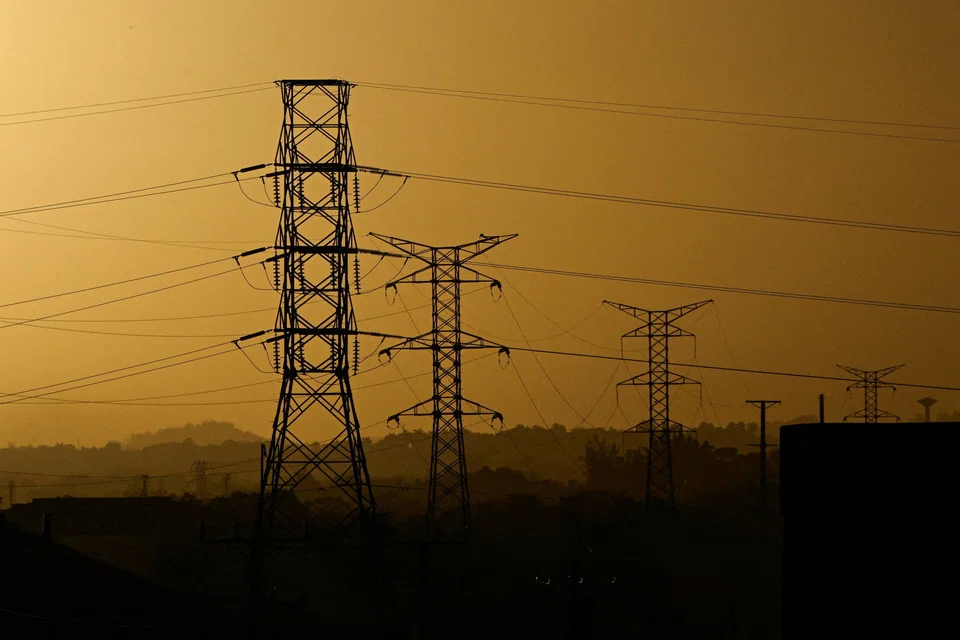
  • Infrastructure debt is a subset of private credit that finances infrastructure assets such as power grids, transport networks and utilities, rather than the software or services built around them. PHOTO: REUTERS
[SINGAPORE] Changes in regulatory capital treatment under risk-based capital regimes in Asia will allow insurers to increase their exposure to infrastructure debt, said Emaad Sami, senior investment director for infrastructure debt at Schroders Capital.

“Regulators have really made a concerted effort on this front (to facilitate investment to the asset class), which is really being encouraged by insurers, including here in Singapore,” he told The Business Times.

Infrastructure debt is a subset of private credit that finances infrastructure assets such as power grids, transport networks and utilities, rather than the software or services built around them.


The asset class has evolved beyond investment-grade lending to sub-investment-grade loans, which can offer double-digit returns with a slightly higher risk profile.

Infrastructure debt also offers exposure to sectors that institutional investors might not get access to, including essential services such as utilities, which continue to be used regardless of economic cycles.

Sami said that unlike private infrastructure investments, returns from infrastructure debt are not reliant on exits, almost acting as a fixed-income alternative.
 
Macro volatility and geopolitical uncertainty is here to stay, and therefore investors are looking for a resilient private credit allocation that’s going to anchor their private debt portfolios,” he added.

The investment-grade infrastructure debt segment is facing increasing competition from banks and other institutional investors.

However, the sub-investment-grade infrastructure loan market is still developing; infrastructure players are still looking for such tranches to finance the growth in their business.
 
Damien Gardes, co-head of infrastructure debt at Schroders Capital, said that if one has “the skills to underwrite, understand and address the complexity of that market, there is much less competition and you can get a substantial premium in terms of credit margin compared to investment-grade”.

While it might appear that being less senior among creditors would be riskier, Sami noted that infrastructure debt behaves differently compared to corporate direct lending.

Rating agencies have observed that infrastructure assets have a much lower credit default rate compared to similar non-rated corporates.

It helps that the assets backing the financing are tangible and would have value in a default scenario, Sami said, though there are still risks to be aware of when investing into infrastructure debt.
 

How does private credit work?

In private credit markets, companies access financing directly from lenders. This differs from companies transacting in syndicated high yield or bank loan markets, where financing is obtained with the help of a bank or intermediary.

Private lending happens through direct negotiation; lenders partner with borrowers to create bespoke solutions that address companies’ unique needs. By working directly with borrowers, private credit lenders have more flexibility to negotiate terms, covenants and pricing. This can lead to better protections and higher yields for investors relative to public credit markets. Borrowers can work with lenders to craft loan terms for their specific needs and access flexible capital faster and more easily.

Private credit loans typically use a floating rate structure, where the cash coupon of the loan is reset as interest rates change. These loans are often structured with reference interest rate floors that provide additional yield protection in very low-interest rate environments.
 
Back
Top