

- Joined
- Jun 17, 2020
- Messages
- 17,643
- Points
- 113
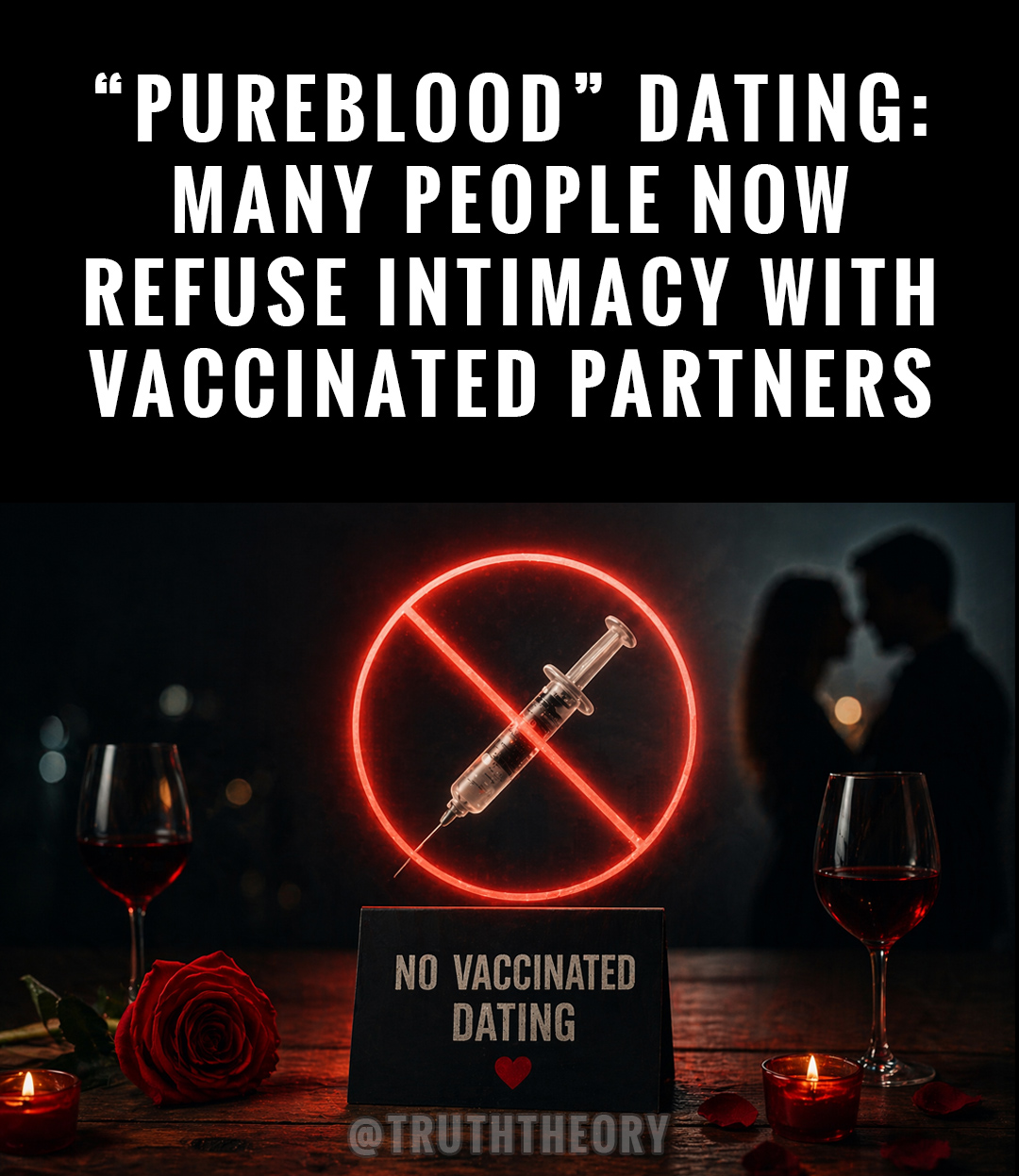
Many people now say they would not date or have intimate relationships with someone who is vaccinated. What once sounded extreme is now quietly appearing in conversations, online forums, and even dating preferences.
Since the pandemic, personal health choices have become deeply tied to identity. For some, vaccination is not just a medical decision, but a reflection of trust in institutions, beliefs about the body, and views on freedom. As a result, it has started to influence something much more personal — relationships.
In certain communities, especially those critical of vaccines, there is a growing idea that avoiding vaccinated partners is a way of protecting one’s health or staying aligned with personal values. Some refer to themselves as “pureblood,” seeing it as a form of distinction, while others simply feel more comfortable being with someone who shares the same worldview.
At the same time, this is not a one-sided phenomenon. Many people on the opposite end also prefer to date only those who are vaccinated, often for reasons of safety or compatibility. What we are seeing is less about one group rejecting another, and more about a broader shift where people filter partners based on beliefs, lifestyle, and trust systems.
In reality, for most people, vaccination status is not the only factor in attraction or connection. But it has become one of many filters, similar to politics, diet, or spiritual views. The difference is that this topic carries a unique emotional charge, shaped by years of global tension, media narratives, and personal experiences.
What stands out is how something that began as a public health issue has now reached into private life. Dating, intimacy, and relationships are no longer separate from the wider cultural landscape — they are part of it.
Whether this becomes a lasting trend or fades over time remains to be seen. But one thing is clear: the pandemic did not just change how people think about health. It also changed how some people choose who they connect with, trust, and ultimately allow into their lives.
Since the pandemic, personal health choices have become deeply tied to identity. For some, vaccination is not just a medical decision, but a reflection of trust in institutions, beliefs about the body, and views on freedom. As a result, it has started to influence something much more personal — relationships.
In certain communities, especially those critical of vaccines, there is a growing idea that avoiding vaccinated partners is a way of protecting one’s health or staying aligned with personal values. Some refer to themselves as “pureblood,” seeing it as a form of distinction, while others simply feel more comfortable being with someone who shares the same worldview.
At the same time, this is not a one-sided phenomenon. Many people on the opposite end also prefer to date only those who are vaccinated, often for reasons of safety or compatibility. What we are seeing is less about one group rejecting another, and more about a broader shift where people filter partners based on beliefs, lifestyle, and trust systems.
In reality, for most people, vaccination status is not the only factor in attraction or connection. But it has become one of many filters, similar to politics, diet, or spiritual views. The difference is that this topic carries a unique emotional charge, shaped by years of global tension, media narratives, and personal experiences.
What stands out is how something that began as a public health issue has now reached into private life. Dating, intimacy, and relationships are no longer separate from the wider cultural landscape — they are part of it.
Whether this becomes a lasting trend or fades over time remains to be seen. But one thing is clear: the pandemic did not just change how people think about health. It also changed how some people choose who they connect with, trust, and ultimately allow into their lives.


