- Joined
- Apr 14, 2011
- Messages
- 21,704
- Points
- 113
ANOTHER NO HORSE RUN ATB
Wency Chenin Shanghai
Published: 1:09pm, 15 May 2026Updated: 4:27pm, 15 May 2026
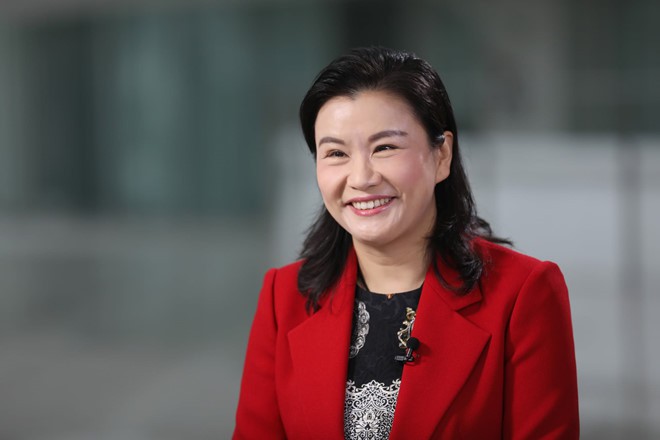
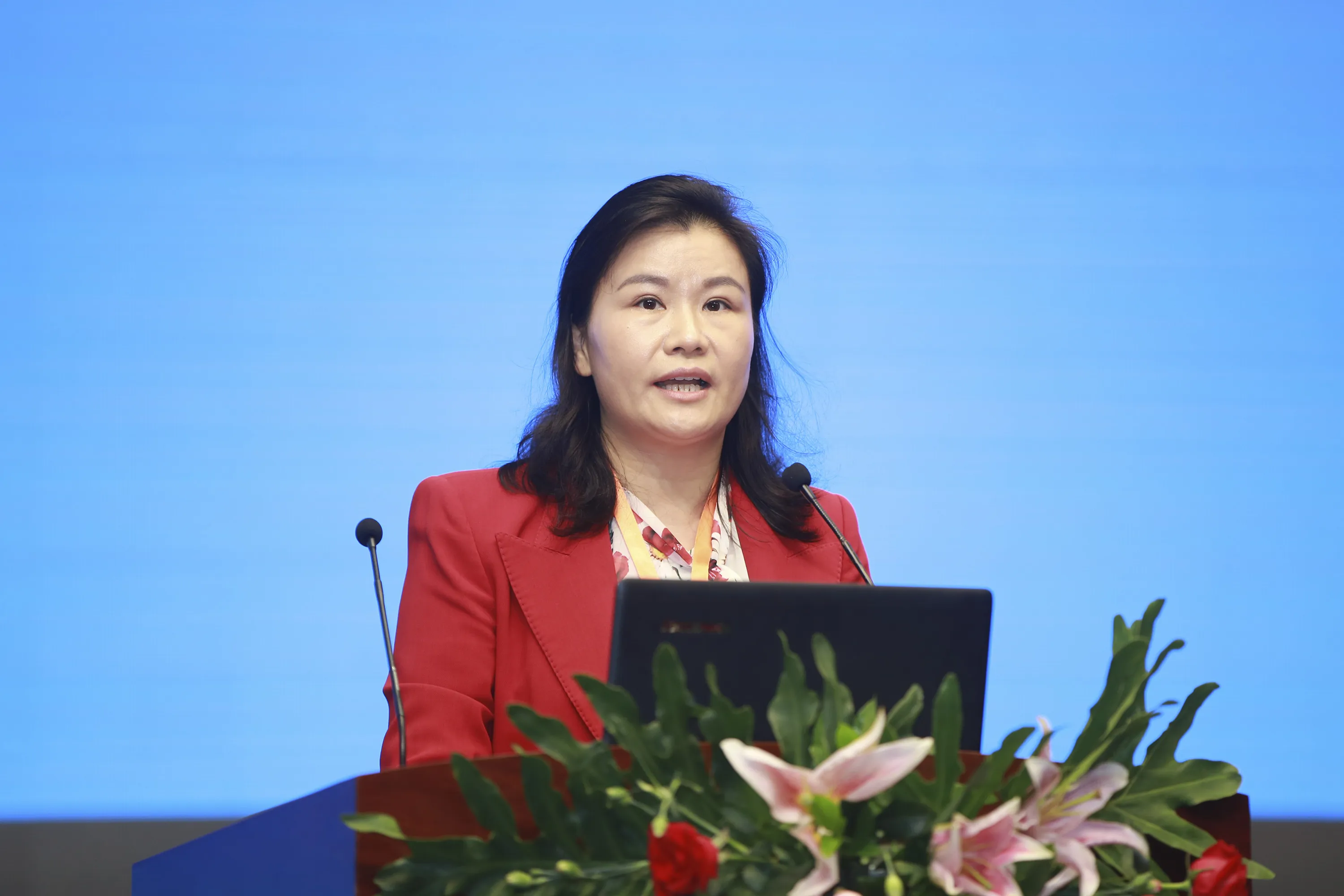
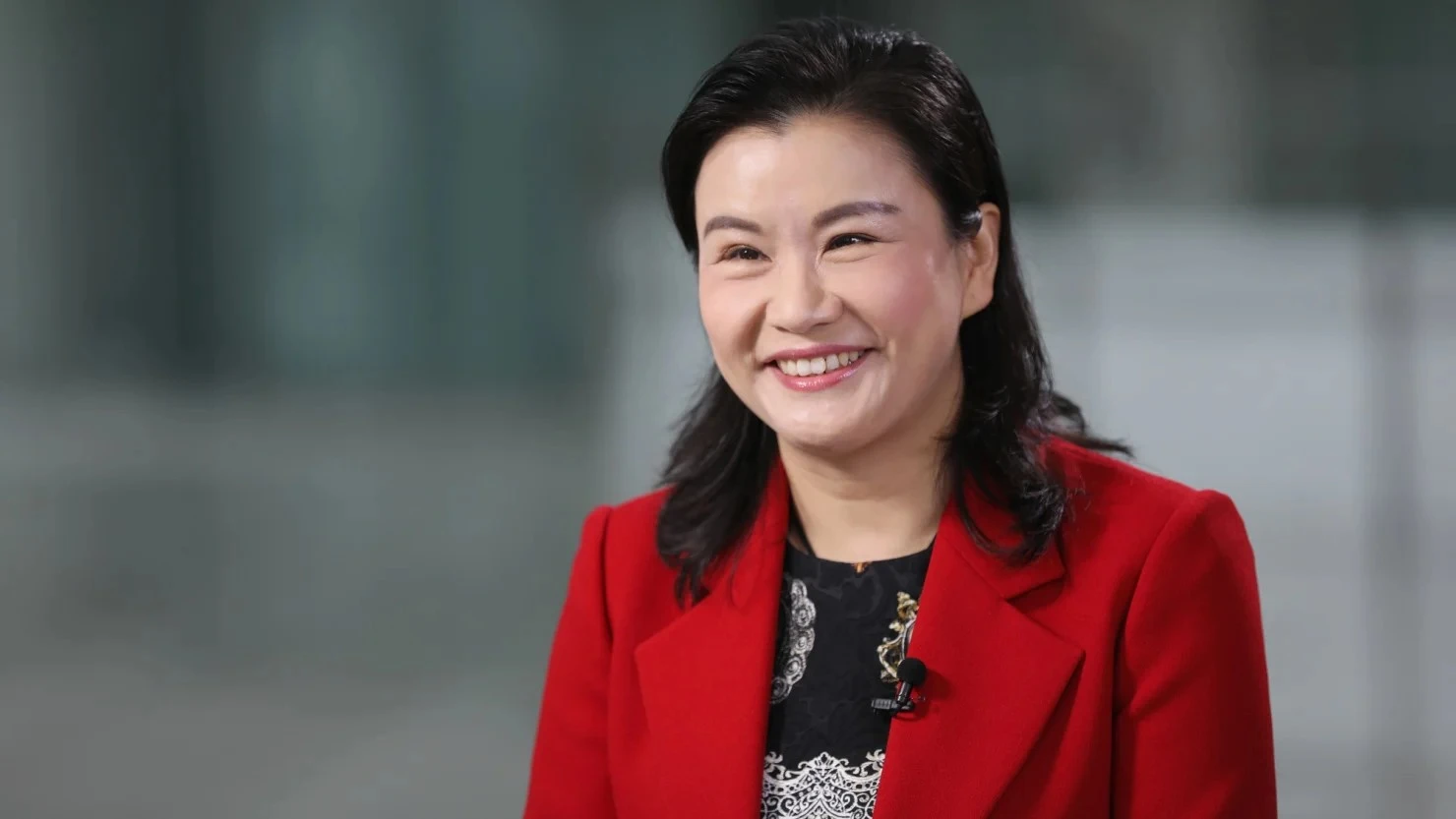
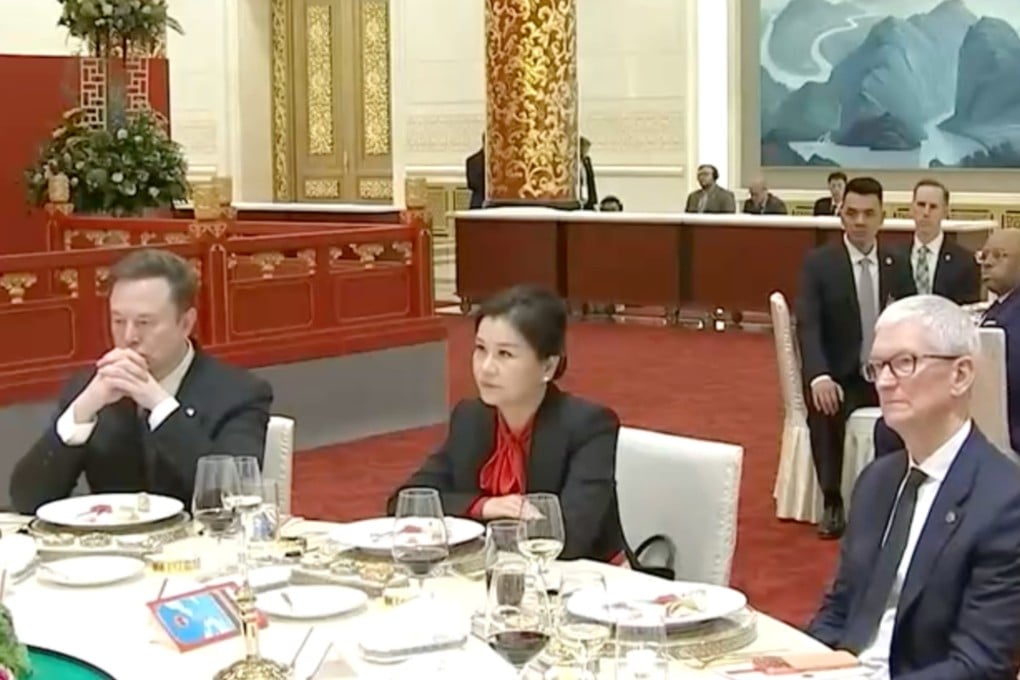
Zhou Qunfei, the woman at the helm of manufacturing giant Lens Technology, found herself seated in a favourable position at the state banquet hosted by Chinese President Xi Jinping for US President Donald Trump on Thursday night, placed between two of her most important clients, Apple CEO Tim Cook and Tesla founder Elon Musk.
Several Chinese business leaders attended the banquet alongside US executives and officials, including Hisense chairman Jia Shaoqian, Wanxiang Group chairman Lu Weiding, Fuyao Glass chairman Cao Hui, Air China chairman Liu Tiexiang, Comac chairman He Dongfeng, Lenovo chairman Yang Yuanqing, Xiaomi founder Lei Jun, Haier chairman Zhou Yunjie, and ByteDance chief executive Liang Rubo, according to footage broadcast by CCTV and media reports.
Zhou Qunfei, born in 1970 to a poor family in a village in Hunan province, left school at 15 and moved to Shenzhen to work in factories. In 1993, at the age of 23, she gathered several relatives and started a small business in a residential building in the city’s Bao’an district, focusing on screen printing on wristwatch glass. A decade later, Lens Technology was established.
Partnering with Apple, the company took off. Lens won a spot in Apple’s supply chain in 2007 as a cover glass provider, just as the iPhone was about to reshape the smartphone industry. As the iPhone scaled globally, Apple became Lens’s largest customer, accounting for more than half of its annual revenue in the early 2010s.
Lens listed on Shenzhen’s tech-heavy ChiNext Index in March 2015, making Zhou one of China’s richest self-made women. The company went public in Hong Kong in 2025.
Lens’s Shenzhen-listed shares closed at 32.21 yuan on Friday, up nearly 5.9 per cent, valuing it at 180.6 billion yuan (US$26.6 billion).
Last year, the company reported revenue of 74.4 billion yuan, up 6.5 per cent from a year earlier, while net profit attributable to shareholders rose 10.9 per cent to 4 billion yuan. Its core smartphone and computer business remained the main revenue driver, contributing 61.2 billion yuan. Revenue from smart vehicles and cockpit products was 6.5 billion yuan, while smart headsets and wearable devices generated 4 billion yuan.
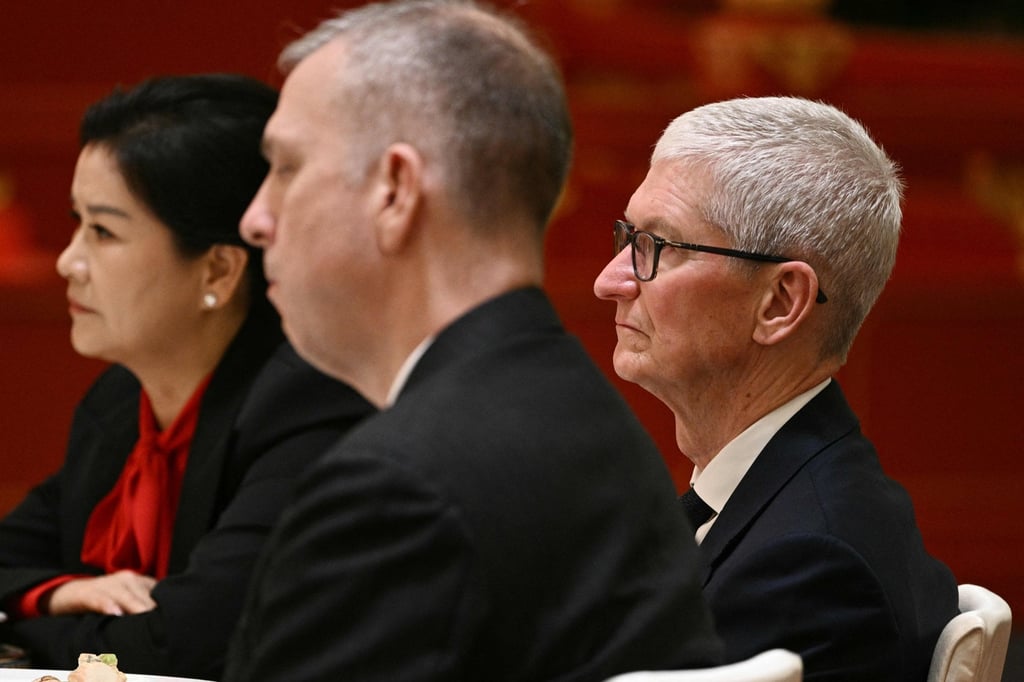
Zhou Qunfei (left) sits next to Apple CEO Tim Cook at a state banquet for US President Donald Trump at the Great Hall of the People in Beijing on May 14, 2026. Photo: AFP
Meanwhile, the company is trying to recast itself from a consumer-electronics supplier into what it calls a “one-stop precision manufacturing solutions provider for the entire AI hardware value chain”. Its reach now spans smartphones, AI glasses, smart vehicles, embodied intelligence and commercial aerospace.
The Tesla relationship, which started in around 2016, is part of those efforts. The partnership has focused on smart-cockpit and exterior structural components, drawing on Lens’s capabilities in glass, metal, touch modules, bonding and precision parts manufacturing.
In December, Lens said on an investor platform that the company had worked for a decade with a “major North American customer”. It had been involved in the customer’s core businesses, including smart cockpits, humanoid robots and commercial aerospace, and had shipped exterior and structural modules for satellite ground receivers, it added. The company also said it had developed ultra-thin photovoltaic glass modules and large-size ultra-thin flexible glass for space-related applications.
Lens did not name the customer, although investors have widely interpreted it as referring to Tesla, as well as founder Musk’s humanoid robotics business Optimus and commercial space venture SpaceX.
Nevertheless, Lens’s new narrative has yet to fully offset the pressure it has experienced in its traditional business. The company made a weak start to 2026, with first-quarter revenue falling 17.1 per cent year on year to 14.14 billion yuan and the group swinging to a net loss. The decline was mainly attributed to weaker smartphone and computer revenue, as well as foreign-exchange losses.
Meet Zhou Qunfei: the woman seated between Tim Cook and Elon Musk at China state banquet
The chairwoman of manufacturing giant Lens is one of the country’s richest self-made women, working her way up from Shenzhen’s factory floors
2-MIN READ
Wency Chenin Shanghai
Published: 1:09pm, 15 May 2026Updated: 4:27pm, 15 May 2026
Zhou Qunfei, the woman at the helm of manufacturing giant Lens Technology, found herself seated in a favourable position at the state banquet hosted by Chinese President Xi Jinping for US President Donald Trump on Thursday night, placed between two of her most important clients, Apple CEO Tim Cook and Tesla founder Elon Musk.
Several Chinese business leaders attended the banquet alongside US executives and officials, including Hisense chairman Jia Shaoqian, Wanxiang Group chairman Lu Weiding, Fuyao Glass chairman Cao Hui, Air China chairman Liu Tiexiang, Comac chairman He Dongfeng, Lenovo chairman Yang Yuanqing, Xiaomi founder Lei Jun, Haier chairman Zhou Yunjie, and ByteDance chief executive Liang Rubo, according to footage broadcast by CCTV and media reports.
Zhou Qunfei, born in 1970 to a poor family in a village in Hunan province, left school at 15 and moved to Shenzhen to work in factories. In 1993, at the age of 23, she gathered several relatives and started a small business in a residential building in the city’s Bao’an district, focusing on screen printing on wristwatch glass. A decade later, Lens Technology was established.
Partnering with Apple, the company took off. Lens won a spot in Apple’s supply chain in 2007 as a cover glass provider, just as the iPhone was about to reshape the smartphone industry. As the iPhone scaled globally, Apple became Lens’s largest customer, accounting for more than half of its annual revenue in the early 2010s.
Lens listed on Shenzhen’s tech-heavy ChiNext Index in March 2015, making Zhou one of China’s richest self-made women. The company went public in Hong Kong in 2025.
Lens’s Shenzhen-listed shares closed at 32.21 yuan on Friday, up nearly 5.9 per cent, valuing it at 180.6 billion yuan (US$26.6 billion).
Last year, the company reported revenue of 74.4 billion yuan, up 6.5 per cent from a year earlier, while net profit attributable to shareholders rose 10.9 per cent to 4 billion yuan. Its core smartphone and computer business remained the main revenue driver, contributing 61.2 billion yuan. Revenue from smart vehicles and cockpit products was 6.5 billion yuan, while smart headsets and wearable devices generated 4 billion yuan.
Zhou Qunfei (left) sits next to Apple CEO Tim Cook at a state banquet for US President Donald Trump at the Great Hall of the People in Beijing on May 14, 2026. Photo: AFP
Meanwhile, the company is trying to recast itself from a consumer-electronics supplier into what it calls a “one-stop precision manufacturing solutions provider for the entire AI hardware value chain”. Its reach now spans smartphones, AI glasses, smart vehicles, embodied intelligence and commercial aerospace.
The Tesla relationship, which started in around 2016, is part of those efforts. The partnership has focused on smart-cockpit and exterior structural components, drawing on Lens’s capabilities in glass, metal, touch modules, bonding and precision parts manufacturing.
In December, Lens said on an investor platform that the company had worked for a decade with a “major North American customer”. It had been involved in the customer’s core businesses, including smart cockpits, humanoid robots and commercial aerospace, and had shipped exterior and structural modules for satellite ground receivers, it added. The company also said it had developed ultra-thin photovoltaic glass modules and large-size ultra-thin flexible glass for space-related applications.
Lens did not name the customer, although investors have widely interpreted it as referring to Tesla, as well as founder Musk’s humanoid robotics business Optimus and commercial space venture SpaceX.
Nevertheless, Lens’s new narrative has yet to fully offset the pressure it has experienced in its traditional business. The company made a weak start to 2026, with first-quarter revenue falling 17.1 per cent year on year to 14.14 billion yuan and the group swinging to a net loss. The decline was mainly attributed to weaker smartphone and computer revenue, as well as foreign-exchange losses.