• IP addresses are NOT logged in this forum so there's no point asking. Please note that this forum is full of homophobes, racists, lunatics, schizophrenics & absolute nut jobs with a smattering of geniuses, Chinese chauvinists, Moderate Muslims and last but not least a couple of "know-it-alls" constantly sprouting their dubious wisdom. If you believe that content generated by unsavory characters might cause you offense PLEASE LEAVE NOW! Sammyboy Admin and Staff are not responsible for your hurt feelings should you choose to read any of the content here.

    The OTHER forum is HERE so please stop asking.

King Trumpet ordered No Action Talk Only Armada fleet to set sail for Battle of Red Cliff modern version, Cik Syed how?

k1976

Alfrescian
Loyal
Joined
May 16, 2023
Messages
45,384
Points
113

If Trump has already won the Iran war, why does he need foreign ships to help him end it?​

Analysis by
Stephen Collinson ProfileStephen Collinson
6 HR AGO


A man walks inside a house damaged by a strike in Tehran, Iran, on Sunday.
 
A week ago, President Donald Trump told Britain not to bother sending ships to the Middle East because he’d already won the Iran war.

Now, he’s calling on America’s “special relationship” ally; fellow NATO states; and even China to dispatch vessels to open the Strait of Hormuz. He implied that if help didn’t arrive, Europe’s US defense umbrella and his planned summit this month with Chinese leader Xi Jinping could be at risk.

Trump’s salvo, in an interview with the Financial Times, was a fresh sign that despite his multiple Iran victory laps, the war is far from over.
 
would not be the first US military venture this century to drag on longer than Washington expected. This may explain new attempts by administration officials to convince the public and global markets that the conflict could end soon.

US Ambassador to the United Nations Mike Waltz declined to say on CNN’s “State of the Union” on Sunday when American forces would come home despite lauding them for a “dominant victory, the likes of which we haven’t seen in modern American military history.”

Energy Secretary Chris Wright was more optimistic. “I think that this conflict will certainly come to the end in the next few weeks, could be sooner than that,” he said on ABC News’ “This Week.”

Israel, meanwhile, told CNN that fearsome bombing raids against Iranian military and intelligence targets could last at least three more weeks. The Jewish state is more accustomed to perpetual military action than US voters and leaders are.

Wars are not defined by their first few weeks

It remains too early to judge the overall impact of the war. It looks possible, even likely, that combined US and Israeli raids have caused massive damage to Iran’s military machine and ability to threaten the outside world. If confirmed, such a scenario would offer Trump a credible argument to have made the world safer.
 

Here's the latest​

Strait of Hormuz: President Donald Trump urged China and US allies to help to resolve disruptions at the Strait of Hormuz, warning NATO faces a “very bad” future if allies fail to assist. No countries have yet committed to sending warships.

• Regional strikes: Israel announced “limited” ground operations in southern Lebanon as airstrikes rocked Beirut’s suburbs. In Iran, smoke billowed over Tehran as state media reported loud booms. Meanwhile, one person was killed in Abu Dhabi after a missile hit a vehicle.

• Oil prices spike: EU energy ministers are meeting today to discuss how to curb rising energy costs. The price of oil yesterday rose to its highest level since July 2022.
 

Trump warns Nato faces 'very bad' future if allies do not help secure Strait of Hormuz​


Watch live
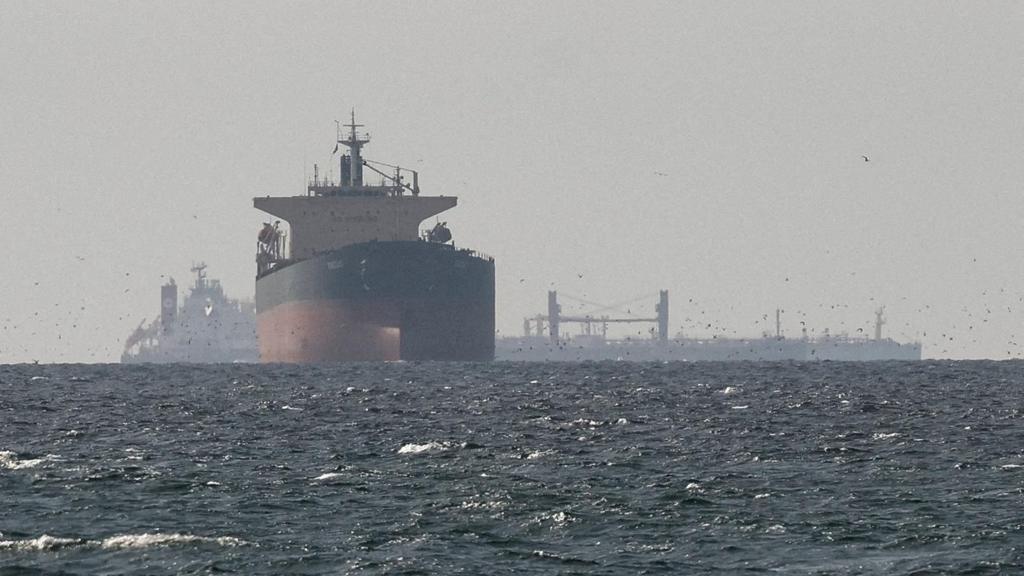
Tankers sail in the Gulf, near the Strait of Hormuz, as seen from northern Ras al-Khaimah, near the border with Oman’s Musandam governance, amid the U.S.-Israeli conflict with Iran, in United Arab Emirates, March 11, 2026

ADVERTISEMENT

Summary​

  • Donald Trump says it would be "very bad for the future of Nato" if allies don't help secure the Strait of Hormuz - a critical waterway for global oil shipping
  • In an interview with the Financial Times, the US president says he expects China to help unblock the strait and could delay a summit with Chinese leader Xi Jinping if it doesn't
  • Aboard Air Force One, Trump also says he is speaking to "about seven" countries about "policing" the strait, adding that he "will remember" if they do not help
  • Meanwhile, Israel says it has begun "limited and targeted ground operations" against Iran-backed Hezbollah in southern Lebanon
  • Heavy bombing has been reported in Tehran, while Iran and Hezbollah have launched missiles at Israel; Saudi Arabia says it downed dozens of drones overnight
  • Dubai International Airport, one of the world's busiest, says flights will gradually resumeafter a "drone-related incident"
 
It's all about disrupting the oil supply to China.

I predict Russia will eventually also stop selling oil to China.

Now watch Cuba. Enjoy the show. :cool:
 
Nobody wants to "hiew" Trump. Even Australia and Japan refuse to participate, at least for now. South Korea is still considering. He has the nerve to ask China, but China doesn't need to because Iran already said that Chinese tankers will be spared.

But.....but...., where's the Southern Hemisphere's King, @Leongsam? How about him sending his NZ Armada there? And if it will turn out to be highly successful, the Western Hemisphere and the Southern Hemisphere will in future have great collaboration together. The King of Kings.

 
Last edited:
Why would one ally assist another ally that has initiated an invasion of a sovereign nation?
 

Futures Market Misreads the Hormuz Oil Shock​


https://oilprice.com/Energy/Crude-Oil/Futures-Market-Misreads-the-Hormuz-Oil-Shock.amp.html


By Tsvetana Paraskova - Mar 14, 2026, 6:00 PM CDT
  • Closure of the Strait of Hormuz has choked off some 20% of global oil supply, forcing Gulf producers to cut output by roughly 10 million barrels/day and shutting some refining capacity.
  • Physical crude prices (e.g., Dubai crude) are trading far above paper futures, indicating real shortages as buyers scramble for cargoes and refiners consider cutting operations.
  • Even with a 400-million-barrel emergency release, supply losses may exceed replacements.
Middle East seen from space

The oil futures paper market is likely underestimating the massive supply disruption that a closed Strait of Hormuz is creating in physical crude and fuel supply globally.

Crude futures prices briefly spiked early this week to $119 per barrel, before retreating to the $90s and trading at $100 a barrel early on Friday in Asian trade.


However, the premium of physical Dubai crude has surged to $38 per barrel over its paper equivalent, according to data compiled by Reuters columnist Clyde Russell.

The wide gap between paper and physical prices suggests that supply is being immediately choked off.
 
But traders on the paper market appear to believe that the record-high emergency stocks release and the U.S. Administration's scrambling to calm the markets with comments that the war will end soon would ease the upward pressure on oil prices.

Analysts started expressing views that $200 oil is not a fantasy anymore-with 20% of global oil supply choked at the Strait of Hormuz buyers are racing to procure physical cargoes, refiners in Asia consider cutting processing rates, and Asian countries restrict fuel exports.

As a result, jet and diesel cracks soared to never-seen highs, leaving entire regions such as Europe in a shocking shortfall of middle distillates.

Related: Little-Known US Company Lands Important Pentagon Contract in Rare Earth Race

Hours after announcing the biggest-ever coordinated emergency release of oil stocks, of 400 million barrels, from reserves, the International Energy Agency warned that the Middle East war is creating the biggest supply disruption in the history of the oil market.

The IEA-coordinated release will take weeks and possibly months to reach the market. The U.S. releaseof stocks as part of the IEA action will take about 120 days to complete, ING's commodities strategists Warren Patterson and Ewa Manthey said.


"If you assume a similar timeline for other countries, that works out to 3.3m b/d - far short of the supply losses we are seeing from the Persian Gulf," they noted.

With limited capacity available to bypass the crucial Strait of Hormuz and storage filling up, Gulf producers have slashed their combined oil output by at least 10 million barrels per day, the IEA said in its monthly Oil Market Report on Thursday.

In addition, over 3 million barrels per day of refining capacity in the Gulf region has already shut due to attacks and a lack of viable export outlets.

"Runs elsewhere will be increasingly limited due to feedstock availability," the IEA warned.

The coordinated stocks release, while a record-high since the agency was created in the 1970s, wouldn't go far to help supply in most of developing Asia, where neither China nor India, the top crude importers, are IEA members. China has some buffer to withstand part of the supply shock, but Indian stockpiles are among the lowest in the region.

The U.S. Treasury moved to allow, until April 11, purchases of Russian crude stuck in tankers in floating storage. China and India will likely compete fiercely for this supply. And still, it will not come close to offsetting the massive loss of Middle Eastern supply, most of which goes to Asia.

Related: No Magnets, No Drones: How China Controls the Future of Warfare

"Asia's alternative crude supply sources are severely limited, with both China and India competing for Russian crude," said Sushant Gupta, Research Director, Asia Pacific Refining and Oils at Wood Mackenzie.

"Asian refiners will struggle to fulfil crude buying requirements for April, leading to run cuts across the region. Refiners will be dipping into their buffer stocks, which is typically up to 15 days of their needs," Gupta added.

"Eventually, most countries will need to fall back on strategic petroleum reserves if the conflict continues."

The conflict doesn't look to be ending soon, despite the Trump Administration's efforts to convince the market of the contrary and play down the spike in oil and gasoline prices.

Early this week, analysts at Wood Mackenzie said that Brent Crude prices could surge to $150 per barrel in the coming weeks.

"However, supply volumes at risk this time are dimensionally bigger - and real," unlike in the 2022 Russian invasion of Ukraine, when supply was free flowing and just had to redirect to China and India, according to WoodMac.

"In our view, US$200/bbl is not outside the realms of possibility in 2026," the analysts said.

The Trump Administration is scrambling to contain the fallout on prices. Energy Secretary Chris Wright on Thursday told CNN that oil prices are unlikely to hit $200per barrel, "but we are focused on the military operation and solving a problem."

At the same time, Wright told CNBC that the U.S. Navy is not ready to begin escorting oil tankers through the Strait of Hormuz.

While the paper market reacts to comments and attempts at assurances, the physical crude market is flashing signs of stress and distress as a large portion of global oil supply is now off the market for weeks, possibly months.
 

Asia’s LNG Lifeline Takes a Hit​

By Irina Slav - Mar 15, 2026, 4:00 PM CDT
  • Iranian strikes forced the shutdown of Qatar’s Ras Laffan LNG complex, halting exports and cutting off a major supply source for Asia.
  • Asian buyers are seeking alternative LNG, diverting cargoes from the U.S. and competing with Europe, while some countries struggle to secure enough supply.
  • With up to 20% of global LNG supply offline, Qatar’s recovery is taking weeks to months.
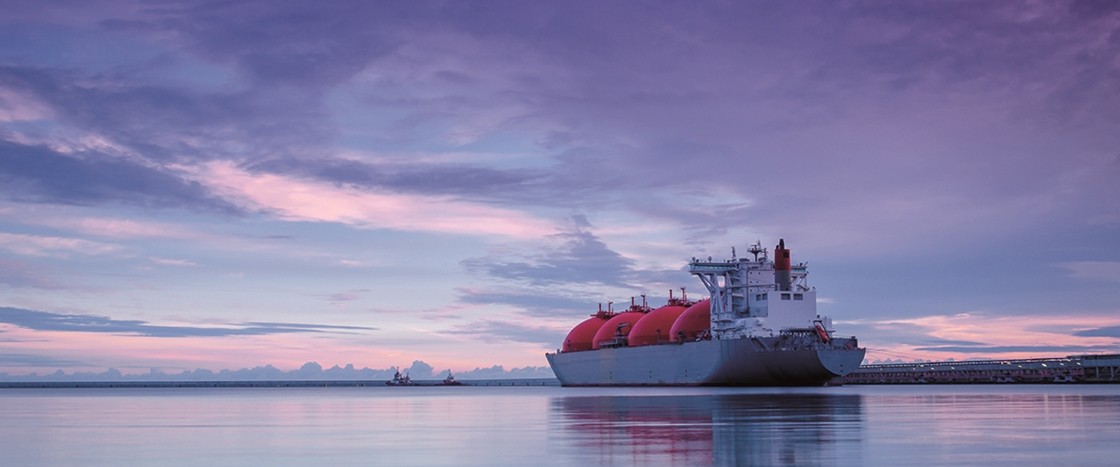
Qatar LNG tanker in calm waters

Asia is the biggest market for liquefied natural gas. Asia is also the destination of up to 90% of Qatari and Emirati LNG-or was, until this month. With the shutdown of Qatar's Ras Laffan LNG complex and the Strait of Hormuz traffic disruption, Asia is facing a lot of energy supply pain.

QatarEnergy announced a complete halt to LNG production after Iranian drone strikes hit facilities at Ras Laffan Industrial City and Mesaieed Industrial City on March 2. A force majeure declaration followed on QatarEnergy exports. The move started a chain reaction that saw commodity traders sourcing LNG from the Gulf state also declaring force majeure on deliveries to clients-a lot of them in Asia.


As usually happens when a shortage emerges in a market, buyers sought alternatives, which resulted in LNG cargos originating from the U.S. Gulf Coast and headed for Europe getting diverted to Asia. Bloomberg reported this week that at least nine U.S. LNG cargoes have been diverted so far, but there will probably be more. Asian gas prices are more enticing for U.S. LNG producers until the European market catches up, meaning the price of gas rises enough to motivate selling more liquefied gas to the Europeans.

Meanwhile, Asian LNG importers are scrambling to secure supplies in anticipation of a prolonged disruption in the Middle East. A few months of no Qatari LNG is now a realistic scenario, especially after Qatar's energy minister confirmed it would take a while to restart operations at Ras Laffan. According to Saad al-Kaabi, the return to normal operations could take "weeks to months", even if the war ended now. According to analysts, as reported by Energy Intelligence, the disruption would last a minimum of between four and six weeks. In other words, Asian LNG importers are doing well in preparing. The question, however, is whether there is enough LNG to go around.
 
  1. Home
  2. Latest Energy News

Japan Taps Emergency Oil Reserves​

By Charles Kennedy - Mar 16, 2026, 5:30 AM CDT
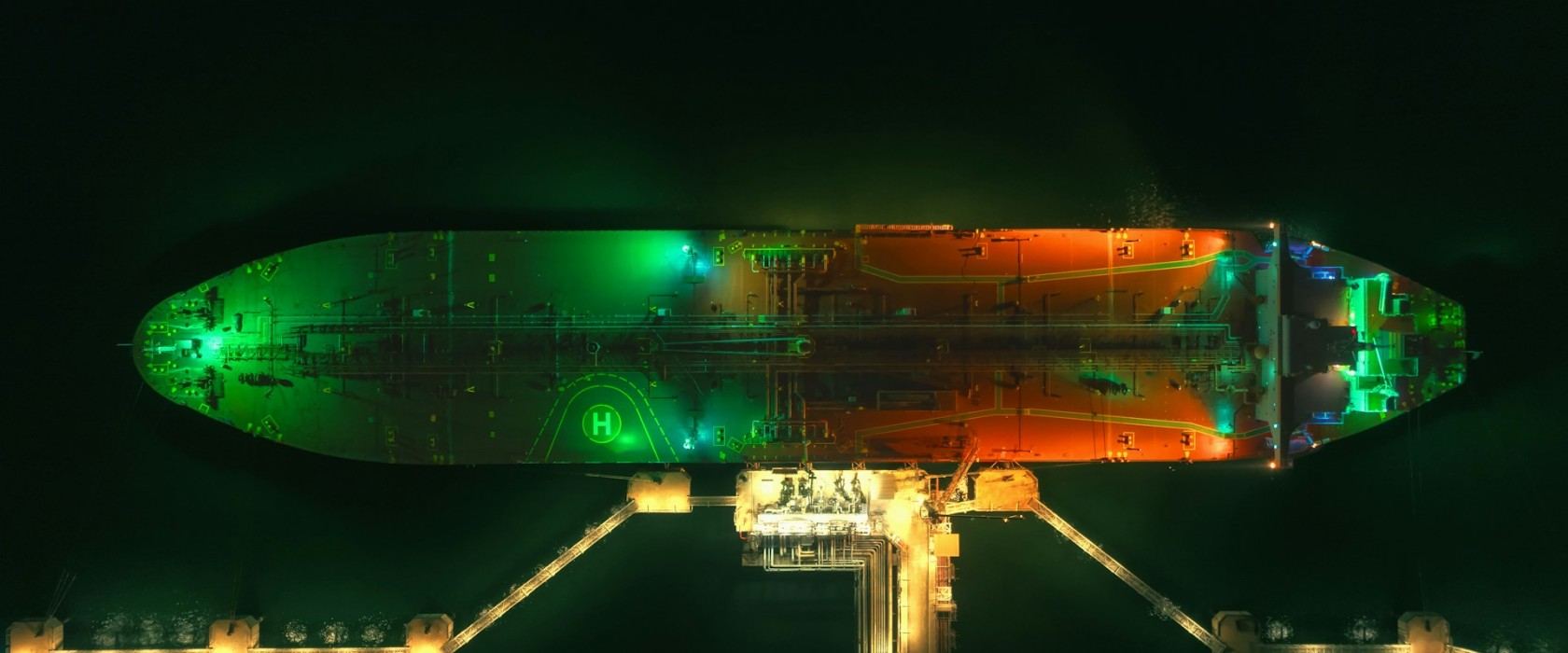
oil tanker

Japan has started releasing oil from its reserve to stabilize supply amid the continuing tanker traffic freeze in the Strait of Hormuz.

Initially, the government will release 15 days' worth of oil consumption and then continue with another 30 days' worth at the end of the month, Japanese media reported.
 
Back
Top