

- Joined
- Mar 11, 2013
- Messages
- 17,617
- Points
- 113
Ankara was removed from the F-35 programme in 2019
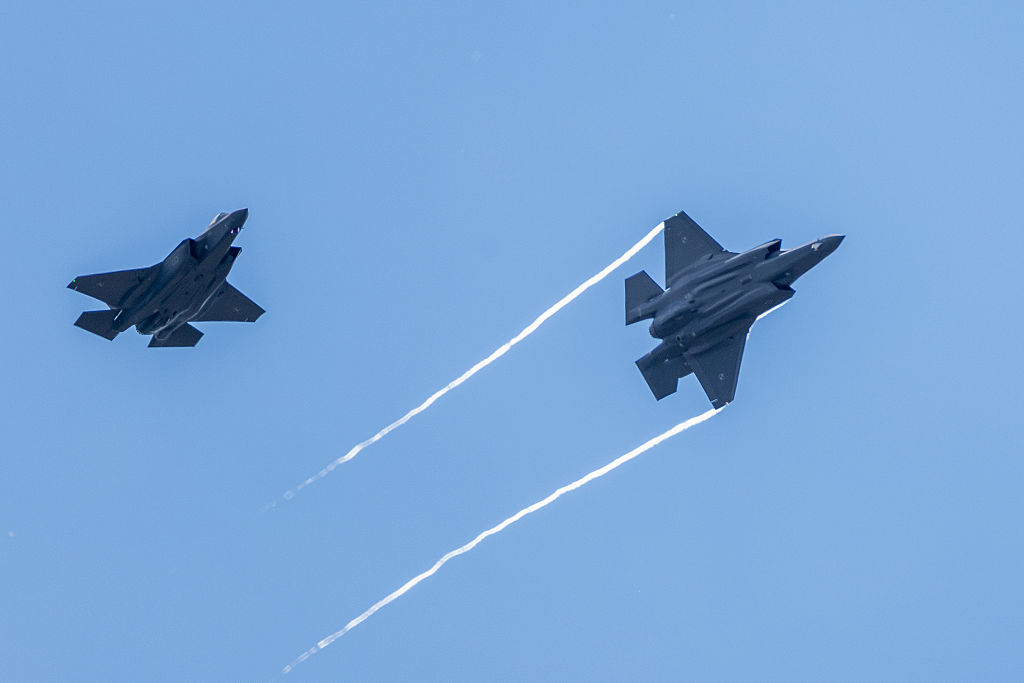 [Photo by Andrzej Iwanczuk/NurPhoto via Getty Images]
US President Donald Trump’s apparent determination to make Turkish President Recep Tayyip Erdoğan “happy” at the NATO summit in Ankara next month has heightened concerns in neighbouring Greece and Israel, both of which oppose any sale of F-35 fighter jets to Turkey.
“I’m going to probably do something that will make them (Turkey) very happy,” Trump said last week when asked about his plans for the NATO summit in Ankara on 7–8 July.
Reuters reported that the Trump administration has already notified Congress of its intention to approve the sale of US engines worth €613 million for KAAN, Turkey’s fifth-generation fighter aircraft, which is currently under development.
The bigger question, however, is whether Washington will also pave the way for Turkey to acquire F-35 fighter jets. Ankara was removed from the F-35 programme in 2019 after purchasing the Russian S-400 air defence system, which Washington argued posed a threat to the aircraft’s sensitive technology by potentially collecting radar data on the F-35.
Israel and Greece have consistently opposed any Turkish acquisition of the US-made aircraft, arguing that it would erode their technological edge and alter the regional military balance. While Greece has ordered the F-35, Israel is operating its own modified version of the aircraft, which has seen combat over Lebanon, Syria and Iran.
In an interview with Euractiv in May, Israel’s ambassador to Greece, Noam Katz, said Turkey’s “hostile” behaviour in the region was reason enough for Washington to reject Ankara’s request to rejoin the F-35 programme.
“The Americans will decide, and America has its own interests. Israel believes that, at this point, supplying Turkey with these aircraft is not something that is desirable in our region,” Katz said.
Meanwhile, Democratic Congresswoman Dina Titus is collecting signatures for a letter urging Congress to block any sale of F-35 fighter jets to Turkey.
“The F-35 sale is not a done deal,” a regional intelligence officer with knowledge of the matter told Euractiv.
According to the official, the sale of the KAAN engines is likely to proceed, while any breakthrough on the F-35 could depend on an arrangement under which Turkey sells its S-400 system to a third country rather than returning it to Russia. South Korea has been mentioned as one possible destination.
During a meeting on Monday with the US Ambassador to Athens, Kimberly Ann Guilfoyle, former Prime Minister and ELAS party leader Alexis Tsipras urged Washington to halt the sale of additional US military equipment to Turkey, including F-35 fighter aircraft. The leftist politician said that the US should mount pressure on Ankara to respect international law ahead of the NATO summit.
Meanwhile, the diplomatic spat between Israel and Turkey has escalated.
Israeli Prime Minister Benjamin Netanyahu said on Sunday that Israel takes Erdoğan’s threats against the country “seriously” and would raise its concerns with the United States.
According to George Tzogopoulos, a senior fellow at the Hellenic Foundation for European and Foreign Policy (ELIAMEP), Trump is engaged in broader negotiations with Erdoğan over Turkey’s role in the Middle East and is seeking to “achieve the maximum” from the talks.
Meanwhile, Ankara argues that the deepening military cooperation between Israel, Greece and Cyprus amounts to an attempt to geostrategically encircle Turkey and poses a threat to its national security.
Israeli security sources note that certain components of the F-35 programme are manufactured or developed by Israeli companies. In addition to the outer wings, this includes the helmet-mounted display system developed by Israeli defence contractor Elbit. Jerusalem, they added, would be far from pleased if these Israeli components found their way into a Turkish fighter jet.
US President Donald Trump’s apparent determination to make Turkish President Recep Tayyip Erdoğan “happy” at the NATO summit in Ankara next month has heightened concerns in neighbouring Greece and Israel, both of which oppose any sale of F-35 fighter jets to Turkey.
“I’m going to probably do something that will make them (Turkey) very happy,” Trump said last week when asked about his plans for the NATO summit in Ankara on 7–8 July.
Reuters reported that the Trump administration has already notified Congress of its intention to approve the sale of US engines worth €613 million for KAAN, Turkey’s fifth-generation fighter aircraft, which is currently under development.
The bigger question, however, is whether Washington will also pave the way for Turkey to acquire F-35 fighter jets. Ankara was removed from the F-35 programme in 2019 after purchasing the Russian S-400 air defence system, which Washington argued posed a threat to the aircraft’s sensitive technology by potentially collecting radar data on the F-35.
Israel and Greece have consistently opposed any Turkish acquisition of the US-made aircraft, arguing that it would erode their technological edge and alter the regional military balance. While Greece has ordered the F-35, Israel is operating its own modified version of the aircraft, which has seen combat over Lebanon, Syria and Iran.
In an interview with Euractiv in May, Israel’s ambassador to Greece, Noam Katz, said Turkey’s “hostile” behaviour in the region was reason enough for Washington to reject Ankara’s request to rejoin the F-35 programme.
“The Americans will decide, and America has its own interests. Israel believes that, at this point, supplying Turkey with these aircraft is not something that is desirable in our region,” Katz said.
Meanwhile, Democratic Congresswoman Dina Titus is collecting signatures for a letter urging Congress to block any sale of F-35 fighter jets to Turkey.
“The F-35 sale is not a done deal,” a regional intelligence officer with knowledge of the matter told Euractiv.
According to the official, the sale of the KAAN engines is likely to proceed, while any breakthrough on the F-35 could depend on an arrangement under which Turkey sells its S-400 system to a third country rather than returning it to Russia. South Korea has been mentioned as one possible destination.
During a meeting on Monday with the US Ambassador to Athens, Kimberly Ann Guilfoyle, former Prime Minister and ELAS party leader Alexis Tsipras urged Washington to halt the sale of additional US military equipment to Turkey, including F-35 fighter aircraft. The leftist politician said that the US should mount pressure on Ankara to respect international law ahead of the NATO summit.
Meanwhile, the diplomatic spat between Israel and Turkey has escalated.
Israeli Prime Minister Benjamin Netanyahu said on Sunday that Israel takes Erdoğan’s threats against the country “seriously” and would raise its concerns with the United States.
According to George Tzogopoulos, a senior fellow at the Hellenic Foundation for European and Foreign Policy (ELIAMEP), Trump is engaged in broader negotiations with Erdoğan over Turkey’s role in the Middle East and is seeking to “achieve the maximum” from the talks.
Meanwhile, Ankara argues that the deepening military cooperation between Israel, Greece and Cyprus amounts to an attempt to geostrategically encircle Turkey and poses a threat to its national security.
Israeli security sources note that certain components of the F-35 programme are manufactured or developed by Israeli companies. In addition to the outer wings, this includes the helmet-mounted display system developed by Israeli defence contractor Elbit. Jerusalem, they added, would be far from pleased if these Israeli components found their way into a Turkish fighter jet.


