

- Joined
- Mar 11, 2013
- Messages
- 17,721
- Points
- 113
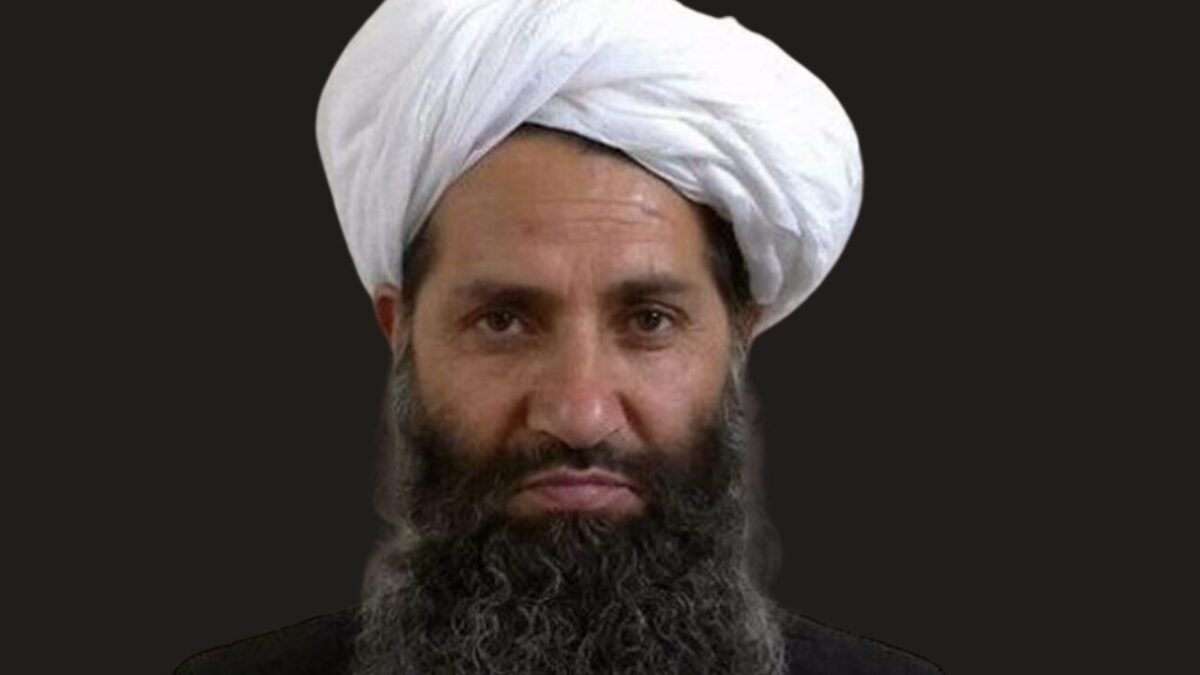
File photo from Taliban leader Hibatullah Akhundzada.
In an Eid message focused on preserving the Taliban rule and adherence to the Sharia law, Taliban leader Hibatullah Akhundzada called on the people to make sacrifices to sustain the Taliban administration and to be grateful for the “peaceful” life they have attained under the “Islamic system.”
In his message, he addressed the people as “faithful and mujahid brothers” and “honorable Afghan brothers,” and devoted much of the statement to preserving Taliban rule and promoting obedience to religious decrees. The statement made no reference to women, girls or their rights.
He said “Afghans” should be thankful and bear additional hardships to safeguard the Taliban rule.
“Let us all endure more hardships and make sacrifices to protect it,” Akhundzada said, describing the preservation of the Taliban’s Islamic system as a “shared responsibility” and calling on Afghans to stand together to thwart what he called the “malicious intentions of enemies.”
As in previous Eid messages, Akhundzada urged the people to follow religious rulings without hesitation, describing adherence to Sharia as the path to prosperity and success.
He claimed that under Taliban rule the Islamic rights of all citizens are protected and that injustice is prevented.
“In this system, the Sharia rights of all citizens are protected and preserved,” he said, adding that no one should be subjected to oppression and that the rights of the oppressed would be upheld.
The remarks come despite continuing international criticism of Taliban policies toward women and girls. Since returning to power in 2021, Taliban leader has issued dozens of decrees restricting women’s freedoms, including banning girls from secondary schools and universities and preventing women from attending most medical training programs.
Taliban have also barred women from many forms of employment, limited their freedom of movement and imposed restrictions on their participation in public life.
The Eid message also highlighted the implementation of the Taliban’s Ministry for the Propagation of Virtue and Prevention of Vice laws. Akhundzada said efforts to reform society in accordance with Islamic principles would continue and called on religious scholars to encourage people to pray and strengthen their religious beliefs.
He urged Taliban officials to avoid mistreating citizens and to carry out their duties according to Islamic law.
Akhundzada also referred to social welfare issues, saying attention should be given to orphans, widows and people with disabilities. However, he did not mention broader civil liberties, women’s rights or political freedoms.
The Taliban leader briefly addressed foreign relations, saying his administration seeks political and economic ties with all countries, particularly Muslim nations, on the basis of Islamic principles.
He claimed the Taliban had fulfilled their responsibilities in this regard and expressed support for expanding economic and diplomatic relations with the outside world.
This comes as only Russia has formally recognized the Taliban rule since it returned to power in August 2021. Most countries have limited contacts with the Taliban to humanitarian, economic and technical matters while continuing to withhold formal recognition.
The international community has repeatedly urged the Taliban to respect Afghanistan’s international commitments and reverse restrictions on women and girls, demands Taliban have largely rejected.
The Eid message comes as the United Nations continues to document human rights concerns in Afghanistan. UN reporting reviewed by Amu TV has recorded more than 1,140 human rights violations against former government employees and security personnel since the Taliban takeover, including at least 280 killings despite the Taliban’s declaration of a general amnesty.
UN reports indicate that many of those cases have been attributed to Taliban authorities, including incidents involving former security personnel who were deported from neighboring countries and later detained or killed after returning to Afghanistan.

