
- Joined
- Apr 14, 2011
- Messages
- 21,912
- Points
- 113
Chinese restaurant in Bangkok allegedly refuses baht, accepts only renminbi for payment
Summary
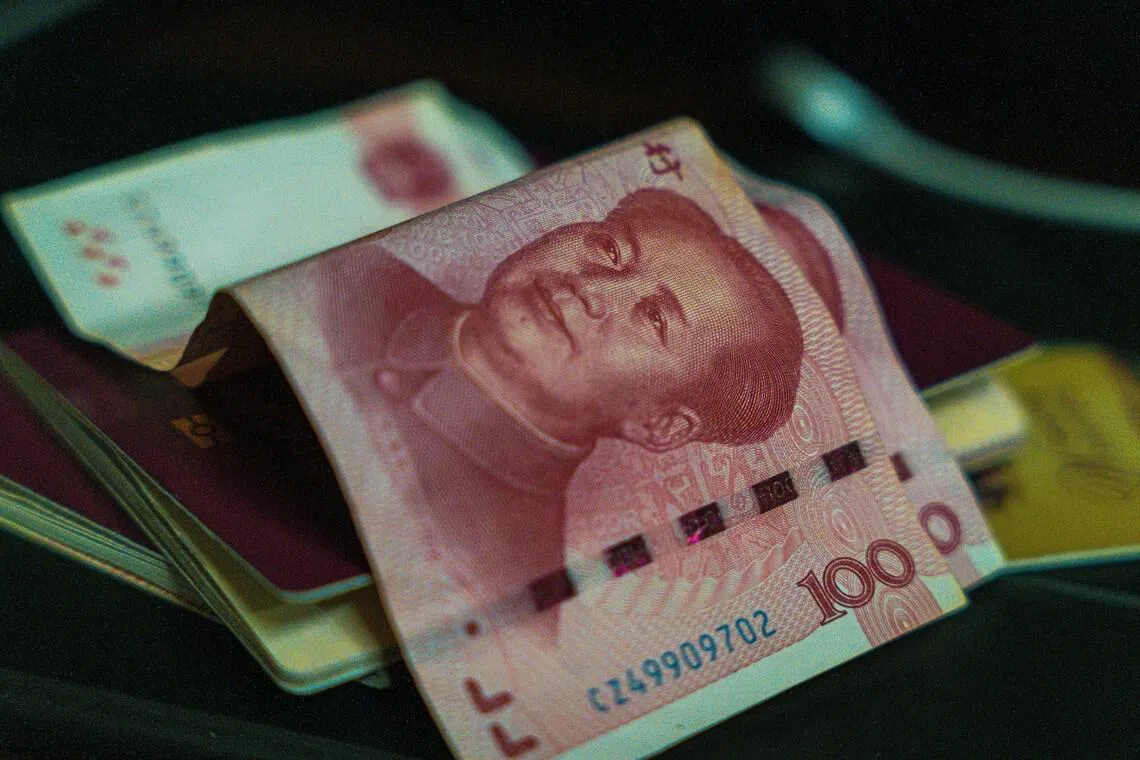
BANGKOK – A viral social media clip alleging that a Chinese restaurant in Bangkok refused Thai baht and accepted only renminbi has put foreign-run businesses and payment practices in Thailand under renewed scrutiny.
The issue emerged after a Chinese TikTok user living in Thailand, identified as JaideeBing and Bao, posted a video recounting his experience at a Chinese noodle shop in the Huai Khwang area.
In the clip, he said he had finished a meal and tried to pay, only to be told that the restaurant did not have Thai QR payment facilities or a Thai bank account. The shop allegedly asked whether he had another form of payment, forcing him to use renminbi.
He also claimed the bill increased by 50 baht (S$2) , from 325 baht to 375 baht, after he was required to settle the payment in renminbi.
The man said he was angered and confused by the incident, asking whether a shop operating in Thailand could refuse Thai currency. He said all businesses in the country should comply with Thai law and pay taxes properly.
The clip quickly drew heavy criticism online and sparked wider questions about whether foreign-owned or foreign-operated businesses are keeping some transactions outside Thailand’s official financial system.
If a business refuses baht, requires payment in renminbi through a Chinese account, has no Thai banking channel and does not issue receipts, such practices could raise concerns under several Thai laws.
Top stories
Explore top stories from all sections in one place
Tech
Anthropic looks to set up shop in Singapore, fill roles in finance and product support
SingaporeCat A COE climbs to $126,009, narrowing gap with Cat B to $980
SingaporeSIA restricts business class seat selection based on fare type, KrisFlyer membership status
BusinessFrom nicknames to masked names: How to know if you’re paying the right person on PayNow from June 6
AsiaWill a new chief make a difference? Indonesia’s free meals scheme faces biggest test yet
AsiaHong Kong principal who swore at guards in Singapore sacked after school rejects his resignation
SingaporeNParks probes unauthorised clearing of trees in nature reserve under OneMillionTrees initiative
SingaporeLaurence Lien among Time’s 100 most influential people in philanthropy; only Singaporean on list
These may include the Exchange Control Act, if foreign-currency exchange or cross-border transfers are carried out without proper authorisation.The case could also raise questions under the Payment Systems Act if a business uses an unauthorised payment channel that has not been licensed by the Bank of Thailand.
Tax law may also be involved if income is kept outside the Thai system, value-added tax or income tax is avoided, or receipts are not issued.
Other possible legal concerns include the Foreign Business Act if Thai nominees are used to hold shares or operate the business on behalf of foreign owners. Such an offence can carry a jail term of up to three years.
There may also be anti-money laundering concerns if the payment route is deliberately designed to send money directly back to China without passing through Thailand’s banking and tax systems.
Thanapol Cheewarattanaporn, president of the Association of Thai Travel Agents, or ATTA, said government agencies must urgently verify whether the incident actually happened.
He said officials should determine whether the clip reflected a real violation, a misunderstanding between the buyer and seller, or content created to attract online attention.
Thanapol said no firm conclusion should be drawn until the facts are confirmed. However, if the allegation is proven true, he said the authorities must take decisive legal action to uphold trading standards and protect Thailand’s monetary sovereignty.
He said businesses operating in Thailand should be brought properly into the Thai banking system, including through PromptPay or Thai bank accounts such as Kasikornbank or Bangkok Bank, so that financial flows can be verified.
Relying only on foreign payment applications, he warned, may be inappropriate and could create longer-term risks for the Thai economy.
Thanapol also urged relevant agencies to inspect the Huai Khwang area more closely.
He said Bangkok Metropolitan Administration, as the local authority, should check whether businesses in the area are operating correctly, while the Public Health Ministry should examine hygiene standards at food establishments.
Authorities should also inspect food and beverage products to ensure they carry proper Food and Drug Administration approval, in order to prevent substandard or illegally imported goods from entering the market.
The case has again highlighted concerns over foreign businesses in tourist and expatriate-heavy districts, particularly where payments, taxation and product sourcing may not be fully visible to Thai authorities. THE NATION/ ASIA NEWS NETWORK


