

- Joined
- Jul 16, 2008
- Messages
- 31,523
- Points
- 113
Subject: [China] - Poor students pay *higher* fees than rich students
Ridiculous. A system well screwed-up. Human greed and corruption.
http://www.todayonline.com/chinaindia/china/poor-parents-china-sacrifice-their-incomes-child-college
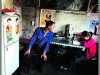
HANJING (China) — Mr Wu Yiebing has been going down coal shafts practically every workday of his life, wrestling an electric drill for US$500 (S$618) a month in the choking dust of claustrophobic tunnels, with one goal in mind: Paying for his daughter’s education.
His wife toils from dawn to sunset in orchards every day during apple season in May and June. She earns US$12 a day tying little plastic bags one at a time around 3,000 young apples on trees, to protect them from insects. The rest of the year she works as a substitute store clerk, earning several dollars a day, all going towards their daughter’s education.
Yet a college degree no longer ensures a well-paying job, because the number of graduates in China has quadrupled in the last decade.
Their daughter, Ms Wu Caoying, now a 19-year-old college sophomore, has chosen to major in logistics, a growing industry in China as ever more families order online instead of visiting stores.
The major is the most popular at her school, which could signal a future glut in the field. Among those who graduated last spring from her polytechnic in Xi’an, the capital of Shaanxi province, “50 or 60 per cent of them still do not have a job”, said Ms Wu.
Their daughter is also ambivalent about staying in school, where the tuition, room and board cost more than half the couple’s combined annual income. A slightly above-average student, she thinks of dropping out, finding a job and earning money.
“Every time my daughter calls home, she says, ‘I don’t want to continue this’,” Mrs Wu said. “I say, ‘You’ve got to keep studying to take care of us when we get old’, and she says, ‘That’s too much pressure, I don’t want to think about all that responsibility.’”
For a rural parent in China, each year of higher education costs six to 15 months’ labour, and it is hard for children from poor families to get scholarships or other government financial support. The reason is that few children from poor families earn top marks on the national exams, so they are shunted to lower-quality schools that receive the smallest government subsidies. This means their parents have to pay much higher tuition fees than affluent and urban families.
The result is that higher education is rapidly losing its role as a social leveller in China and as a safety valve for talented but poor youths to escape poverty.
“The people who receive higher education tend to be relatively better off,” said Mr Wang Jiping, the Director-General of the Central Institute for Vocational and Technical Education in China.
Mr Wu, 43, grew up in a poor village in Shaanxi and never attended school. His wife, 39, dropped out in third grade. They had decided to leave their ancestral villages to find better-paying work to support their daughter.
For nearly two decades, they have lived in a cramped and drafty 18-square-metre house with a thatch roof in Hanjing, a coal-mining community on the plains of northern Shaanxi province.
They have skipped traditional New Year trips to their ancestral village for up to five straight years to save on bus fares and gifts, and for Mr Wu to earn extra holiday pay in the mines.
Despite their frugality, they have essentially no retirement savings. Their daughter is their only hope.
“I’ve only got one, so I have to make sure that one takes care of me when we get old,” said Mrs Wu.
“My head is killing me with thinking, ‘What if she can’t get a job after we have spent so much on education?’”
The New York Times
Ridiculous. A system well screwed-up. Human greed and corruption.
http://www.todayonline.com/chinaindia/china/poor-parents-china-sacrifice-their-incomes-child-college
HANJING (China) — Mr Wu Yiebing has been going down coal shafts practically every workday of his life, wrestling an electric drill for US$500 (S$618) a month in the choking dust of claustrophobic tunnels, with one goal in mind: Paying for his daughter’s education.
His wife toils from dawn to sunset in orchards every day during apple season in May and June. She earns US$12 a day tying little plastic bags one at a time around 3,000 young apples on trees, to protect them from insects. The rest of the year she works as a substitute store clerk, earning several dollars a day, all going towards their daughter’s education.
Yet a college degree no longer ensures a well-paying job, because the number of graduates in China has quadrupled in the last decade.
Their daughter, Ms Wu Caoying, now a 19-year-old college sophomore, has chosen to major in logistics, a growing industry in China as ever more families order online instead of visiting stores.
The major is the most popular at her school, which could signal a future glut in the field. Among those who graduated last spring from her polytechnic in Xi’an, the capital of Shaanxi province, “50 or 60 per cent of them still do not have a job”, said Ms Wu.
Their daughter is also ambivalent about staying in school, where the tuition, room and board cost more than half the couple’s combined annual income. A slightly above-average student, she thinks of dropping out, finding a job and earning money.
“Every time my daughter calls home, she says, ‘I don’t want to continue this’,” Mrs Wu said. “I say, ‘You’ve got to keep studying to take care of us when we get old’, and she says, ‘That’s too much pressure, I don’t want to think about all that responsibility.’”
For a rural parent in China, each year of higher education costs six to 15 months’ labour, and it is hard for children from poor families to get scholarships or other government financial support. The reason is that few children from poor families earn top marks on the national exams, so they are shunted to lower-quality schools that receive the smallest government subsidies. This means their parents have to pay much higher tuition fees than affluent and urban families.
The result is that higher education is rapidly losing its role as a social leveller in China and as a safety valve for talented but poor youths to escape poverty.
“The people who receive higher education tend to be relatively better off,” said Mr Wang Jiping, the Director-General of the Central Institute for Vocational and Technical Education in China.
Mr Wu, 43, grew up in a poor village in Shaanxi and never attended school. His wife, 39, dropped out in third grade. They had decided to leave their ancestral villages to find better-paying work to support their daughter.
For nearly two decades, they have lived in a cramped and drafty 18-square-metre house with a thatch roof in Hanjing, a coal-mining community on the plains of northern Shaanxi province.
They have skipped traditional New Year trips to their ancestral village for up to five straight years to save on bus fares and gifts, and for Mr Wu to earn extra holiday pay in the mines.
Despite their frugality, they have essentially no retirement savings. Their daughter is their only hope.
“I’ve only got one, so I have to make sure that one takes care of me when we get old,” said Mrs Wu.
“My head is killing me with thinking, ‘What if she can’t get a job after we have spent so much on education?’”
The New York Times


