
• IP addresses are NOT logged in this forum so there's no point asking. Please note that this forum is full of homophobes, racists, lunatics, schizophrenics & absolute nut jobs with a smattering of geniuses, Chinese chauvinists, Moderate Muslims and last but not least a couple of "know-it-alls" constantly sprouting their dubious wisdom. If you believe that content generated by unsavory characters might cause you offense PLEASE LEAVE NOW! Sammyboy Admin and Staff are not responsible for your hurt feelings should you choose to read any of the content here.

    The OTHER forum is HERE so please stop asking.

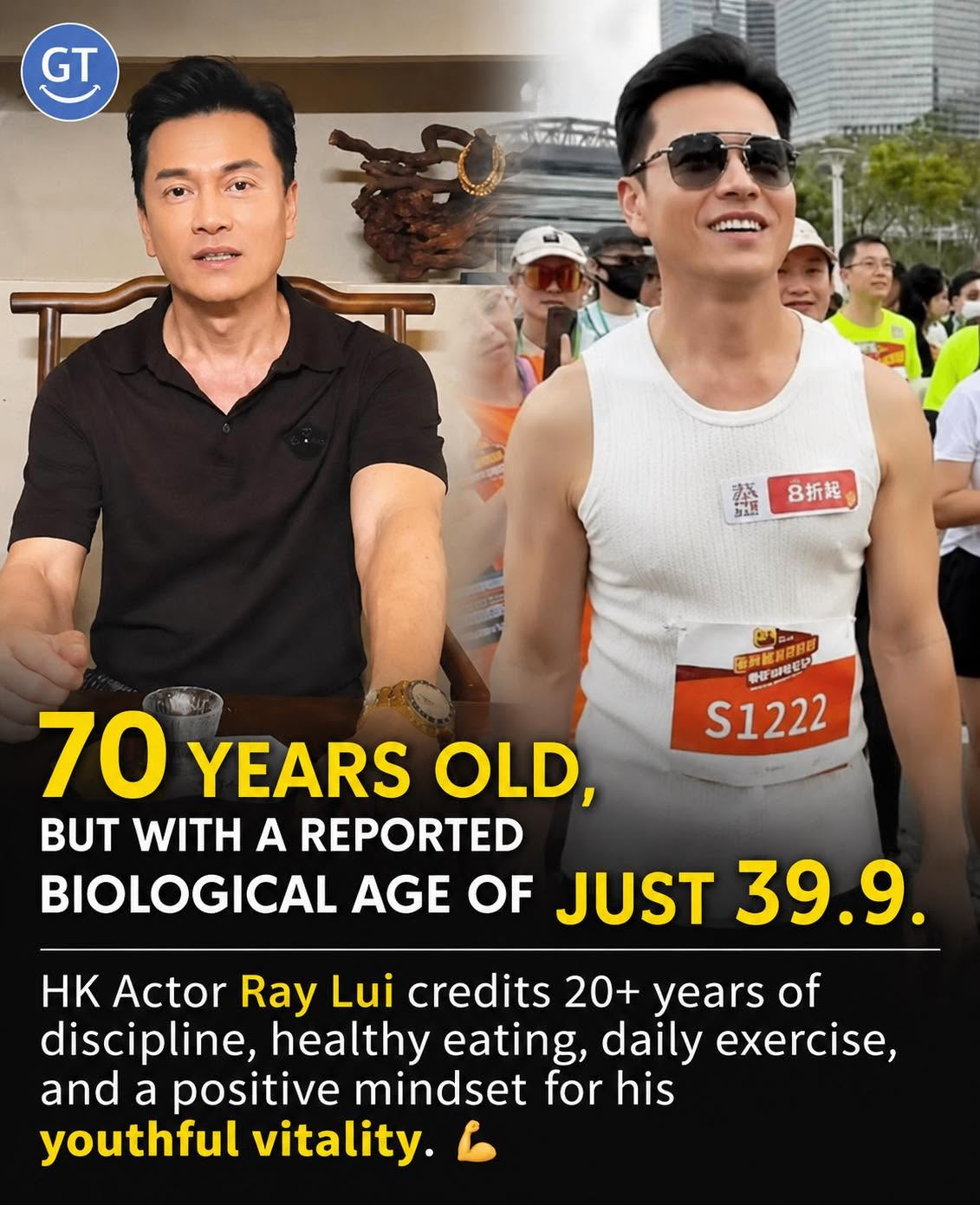
At 70 years old, Hong Kong actor Lu Liangwei continues to amaze fans with his youthful appearance

tobelightlight

Alfrescian
Loyal
Joined
Jun 17, 2020
Messages
17,174
Points
113
At 70 years old, Hong Kong actor Lu Liangwei continues to amaze fans with his youthful appearance and remarkable fitness. Many people assume his age-defying looks are the result of genetics, cosmetic procedures, or expensive skincare products, but Lu insists the secret lies in decades of self-discipline, healthy eating, regular exercise, and a positive mindset.

Since 2003, Lu has followed a strict lifestyle routine. He avoids staple carbohydrates after lunch and usually drinks only warm water or light tea in the evening. Even at social gatherings, film set dinners, and business events, he rarely breaks this rule. While the adjustment was difficult in the beginning, he gradually turned it into a lifelong habit.

His diet is highly disciplined but carefully balanced. Breakfast often includes his signature “Three Black Porridge,” made from black beans, black rice, and black sesame seeds. Lunch follows a specific order: vegetables first, then protein, and finally carbohydrates. Steamed fish, boiled vegetables, and small portions of brown rice are common choices. He has also avoided iced drinks for decades and rarely consumes cakes, milk tea, or sugary beverages.

Lu believes food plays a bigger role in healthy aging than cosmetic treatments. He has repeatedly stated that aesthetic procedures can only improve external appearance, while true vitality must come from within. One of the foods he strongly recommends is onions, which he calls a “smart vegetable.” According to Lu, onions help support gut health by promoting beneficial bacteria. They are also rich in quercetin and other compounds linked to cardiovascular health, blood sugar control, cognitive function, and anti-inflammatory benefits.

Another staple of his wellness routine is a homemade detox vitality drink. When feeling tired or run down, he blends vegetables such as bitter melon, cucumber, celery, and radish with fruits like apple and lemon to create a nutrient-rich juice. Lu believes the drink helps support metabolism, digestion, and overall energy levels. He has described it as one of his favorite tools for maintaining vitality and staying refreshed.

Exercise is equally important. Lu wakes up at 5:30 every morning and practices Southern Shaolin martial arts, a routine he has maintained for over four decades. He also developed his own horse-stance training method to strengthen the legs and improve stability. His philosophy is simple: “The legs age first.” By keeping the lower body strong, he believes people can maintain mobility and independence as they grow older.

His commitment to movement extends throughout the day. Whether waiting on a film set, sitting on a plane, or relaxing at home, he constantly finds opportunities to engage his muscles and stay active. He also performs squats regularly and often practices heel raises after meals to strengthen his calves and support blood sugar control.

According to tests he has publicly shared, Lu’s DNA methylation results showed a biological age of approximately 39.9 years, despite being 70 chronologically. His cardiovascular system reportedly measured around 43 years old, his immune system 44, and his endocrine system 39. These results have fueled widespread interest in his lifestyle habits.

Lu attributes his youthful condition to what he calls a holistic approach to anti-aging. Beyond diet and exercise, he emphasizes maintaining a youthful mindset, staying curious, continuing to learn new things, and avoiding unnecessary stress. At age 58, he enrolled in a master’s degree program in finance, studying alongside much younger classmates and proving that personal growth should never stop.

He also credits family support as an important factor. Married to his wife, Yang Xiaojuan, for more than two decades, Lu often describes her as both his life partner and personal health manager. Together, they maintain healthy habits and encourage each other to stay disciplined.

More recently, Lu summarized his philosophy into four pillars of “reverse aging”: a youthful mindset, consistent physical activity, good posture and body mechanics, and maintaining high energy and enthusiasm for life. He believes aging is not simply determined by genetics but by daily choices made over many years. “Reverse aging is not a talent,” he says. “It’s a choice.”

Today, Lu Liangwei remains energetic, active, and youthful in both appearance and spirit. While many people attempt to imitate his habits, few can maintain them for long. His story serves as a reminder that lasting health and vitality are rarely the result of shortcuts. Instead, they are built through small, consistent actions repeated day after day, year after year.
1780710344921.png
 
compare to this clown here:

 
want to look young , look at your diet and lifestyle, not doctors and supplements.

You eat real fruits and vegetables, not supplement that is man-made processed and might add in extra stuffs that you dunno.
 
Lu attributes his youthful condition to what he calls a holistic approach to anti-aging. Beyond diet and exercise, he emphasizes maintaining a youthful mindset, staying curious, continuing to learn new things, and avoiding unnecessary stress. At age 58, he enrolled in a master’s degree program in finance, studying alongside much younger classmates and proving that personal growth should never stop.
hear that??? not doctors and supplements. money does not make you youthful, only knowledge and its discipline to apply it makes anti-aging works.
 
Florence Ong
The ignorant or jealous will say things like, 'it’s due to genetics', to make themselves feel better for not being disciplined.

This guy is smart, he knows he can leverage his hormones (compared to women who can age faster if they don’t take good care of themselves), so he takes great care of himself.

Look at what he says: he doesn't consume cold drinks, cakes, bubble teas, or sweet stuff. This shows that he knows how poisonous sugar is and how it leads to aging.

It’s a known fact: glucose causes glycation,
which ages our organs (from the inside out). So, over time, it shows.

From the jealous comments, I can tell that people are projecting to feel better about themselves (for not loving themselves enough and investing in themselves enough) instead of just seeing this for what it is.

Good for this guy whoever he is, I don’t even know him. He loves himself and therefore, bothers to invest in himself to enjoy a healthier life.

There’s nothing wrong with that. He is reaping the rewards of his discipline. He truly deserves it. He gets out what he puts in.

That is exactly how it works, no? Health is one of the few things in life where you truly get out what you put in.

You can too, instead of being a sour grape, love yourself more and be disciplined in taking good care of yourself.

What’s with the jealousy over the work you didn’t put effort into? oh c’mon… grow up.
 
hear that??? not doctors and supplements. money does not make you youthful, only knowledge and its discipline to apply it makes anti-aging works.
Supplement dun make u look young lah, those are sales talk by MLM chiobus to cheat Lao Hero $$$
 
At 70 years old, Hong Kong actor Lu Liangwei continues to amaze fans with his youthful appearance and remarkable fitness. Many people assume his age-defying looks are the result of genetics, cosmetic procedures, or expensive skincare products, but Lu insists the secret lies in decades of self-discipline, healthy eating, regular exercise, and a positive mindset.

Since 2003, Lu has followed a strict lifestyle routine. He avoids staple carbohydrates after lunch and usually drinks only warm water or light tea in the evening. Even at social gatherings, film set dinners, and business events, he rarely breaks this rule. While the adjustment was difficult in the beginning, he gradually turned it into a lifelong habit.

His diet is highly disciplined but carefully balanced. Breakfast often includes his signature “Three Black Porridge,” made from black beans, black rice, and black sesame seeds. Lunch follows a specific order: vegetables first, then protein, and finally carbohydrates. Steamed fish, boiled vegetables, and small portions of brown rice are common choices. He has also avoided iced drinks for decades and rarely consumes cakes, milk tea, or sugary beverages.

Lu believes food plays a bigger role in healthy aging than cosmetic treatments. He has repeatedly stated that aesthetic procedures can only improve external appearance, while true vitality must come from within. One of the foods he strongly recommends is onions, which he calls a “smart vegetable.” According to Lu, onions help support gut health by promoting beneficial bacteria. They are also rich in quercetin and other compounds linked to cardiovascular health, blood sugar control, cognitive function, and anti-inflammatory benefits.

Another staple of his wellness routine is a homemade detox vitality drink. When feeling tired or run down, he blends vegetables such as bitter melon, cucumber, celery, and radish with fruits like apple and lemon to create a nutrient-rich juice. Lu believes the drink helps support metabolism, digestion, and overall energy levels. He has described it as one of his favorite tools for maintaining vitality and staying refreshed.

Exercise is equally important. Lu wakes up at 5:30 every morning and practices Southern Shaolin martial arts, a routine he has maintained for over four decades. He also developed his own horse-stance training method to strengthen the legs and improve stability. His philosophy is simple: “The legs age first.” By keeping the lower body strong, he believes people can maintain mobility and independence as they grow older.

His commitment to movement extends throughout the day. Whether waiting on a film set, sitting on a plane, or relaxing at home, he constantly finds opportunities to engage his muscles and stay active. He also performs squats regularly and often practices heel raises after meals to strengthen his calves and support blood sugar control.

According to tests he has publicly shared, Lu’s DNA methylation results showed a biological age of approximately 39.9 years, despite being 70 chronologically. His cardiovascular system reportedly measured around 43 years old, his immune system 44, and his endocrine system 39. These results have fueled widespread interest in his lifestyle habits.

Lu attributes his youthful condition to what he calls a holistic approach to anti-aging. Beyond diet and exercise, he emphasizes maintaining a youthful mindset, staying curious, continuing to learn new things, and avoiding unnecessary stress. At age 58, he enrolled in a master’s degree program in finance, studying alongside much younger classmates and proving that personal growth should never stop.

He also credits family support as an important factor. Married to his wife, Yang Xiaojuan, for more than two decades, Lu often describes her as both his life partner and personal health manager. Together, they maintain healthy habits and encourage each other to stay disciplined.

More recently, Lu summarized his philosophy into four pillars of “reverse aging”: a youthful mindset, consistent physical activity, good posture and body mechanics, and maintaining high energy and enthusiasm for life. He believes aging is not simply determined by genetics but by daily choices made over many years. “Reverse aging is not a talent,” he says. “It’s a choice.”

Today, Lu Liangwei remains energetic, active, and youthful in both appearance and spirit. While many people attempt to imitate his habits, few can maintain them for long. His story serves as a reminder that lasting health and vitality are rarely the result of shortcuts. Instead, they are built through small, consistent actions repeated day after day, year after year.

View attachment 242837
Can still Xian a lot XMM on the street
 
In SG, stay healthy.Don't get sick.
True, simple things to buy a few good years

1. dun over exercise - our muscle /bones are weakening as we age - nothing to stop that

2. eat too much oily food / salty food / alcohol

3. Rest sufficiently (7hr sleep)

4. Eat more fruit / veg / Nuts
 

The Benefits of Nuts for Cancer Prevention​

Pamela Hallquist Viale
  • Article notes
  • Copyright and License information

PMCID: PMC6750921 PMID: 31538022

The American Cancer Society estimates 101,420 new cases of colon cancer and 44,180 new cases of rectal cancer in the United States this year (American Cancer Society, 2019). Colorectal cancer remains the third leading cause of death from cancer in both sexes, with approximately 51,020 deaths expected this year (American Cancer Society, 2019). And disturbingly, although the overall death rate has dropped, the death rate for younger people (aged 55 or younger) has increased 1% per year from 2007 through 2016 (American Cancer Society, 2019).

These statistics are sobering to me, as this is a cancer that is largely preventable through rigorous screening. It is one of the cancers we can successfully do something about. And yet, we still see colorectal cancer. For this reason, I am always interested in data that show variables that may reduce colorectal cancer and death in patients with this disease.

Factors affecting the risk of colon cancer recurrence and death vary. However, recent prospective data from observational studies have suggested that diet and lifestyle factors may affect the risk of colon cancer recurrence and death. These factors include type 2 diabetes, obesity, a Western diet, high intake of sugared beverages, and increased glycemic load diets (Fadelu et al., 2018). Mortality in colorectal cancer patients may be affected by elevated plasma C-peptide levels or low insulin-like growth factor-binding protein 1 levels, suggesting an association between energy excess and disease recurrence (Fadelu et al., 2018). The authors of a published study noted that in prospective cohort studies, increased nut intake has been associated with a lower risk of type 2 diabetes and metabolic syndrome; therefore, researchers decided to prospectively examine the association of nut intake with cancer recurrence and mortality in patients with stage III colon cancer receiving adjuvant chemotherapy (Fadelu et al., 2018).

https://pmc.ncbi.nlm.nih.gov/articles/PMC6750921/
 

Mushroom Bioactive Molecules as Anticancerous Agents: An Overview​

Ali Ikram 1, Nasir A Ibrahim 2, Muhammad Tayyab Arshad 1,3,✉, Abroo Fatima 4, Ali Asghar Taseer 5, Mahreen Faqeer Hussain 6, Zunair Abdullah 1, Nosiba S Basher 2, Muhammed Adem Abdullahi 7,✉, Ammar AL‐Farga 8, Mohammed Ali Al‐Duais 9
  • Author information
  • Article notes
  • Copyright and License information

PMCID: PMC12256995 PMID: 40661813
Mushrooms have long been used in Traditional Chinese medicine (TCM), where they play an important role in promoting overall health and well‐being. However, the therapeutic benefits of mushrooms have made this group of macrofungi a significant part of traditional medicine, particularly in Southeast Asia and China. Across the globe, cancer is the leading cause of death. Powerful anti‐cancer medications known as traditional chemotherapeutic agents treat this dangerous disease. However, patients are always accompanied by immunosuppression, increasing the risk of tumor return and mortality. Identifying, separating, and transferring bioactive macromolecules naturally present in tumor‐genic foods could be a promising option. Mushrooms are a source of macromolecules such as ergosterol, p‐hydroxybenzoic acid, linoleic acid, β‐glucan, α‐glucan, resveratrol, concanavalin A, Cibacron blue affinity protein, and others. Numerous studies have demonstrated that oyster mushroom extracts are full of macromolecules like β‐glucan and other polysaccharides that inhibit the proliferation of cancer cell types without affecting healthy cells. The genera Phellinus, Pleurotus, Agaricus, Ganoderma, Clitocybe, Antrodia, Trametes, Cordyceps, Xerocomus, Calvatia, Schizophyllum, Flammulina, Suillus, Inonotus, Inocybe, Funlia, Lactarius, Albatrellus, Russula, and Fomes are the mushrooms that have been linked to success against cancer. The anticancerous substances are essential because they create reactive oxygen species, inhibit mitotic kinase, prevent mitosis, inhibit angiogenesis, and topoisomerase, which ultimately stop cancer growth. This review provides the most recent results on the pharmacologically active chemicals, their potential as antitumor agents, and the underlying mechanism of biological activity.


https://pmc.ncbi.nlm.nih.gov/articles/PMC12256995/
 

Vinegar-processed frankincense extracts alleviate colorectal cancer by butyric acid mediating M1 tumor-associated macrophage pyroptosis​

Shitao Peng 1,2,#, Zhenli Liu 1,#, Zhiqian Song 1, Chun Wang 1, Zheng Yu 1, Ning Zhao 3, Wenjie Lu 1, Zhangchi Ning 1,✉, Aiping Lyu 2,✉
  • Author information
  • Article notes
  • Copyright and License information

PMCID: PMC12667045 PMID: 41320762

Background​

Olibanum (RF), a traditional Chinese medicinal resin, shows efficacy in colorectal cancer (CRC) treatment. Its vinegar-processed form (PF) is clinically recognized for enhanced therapeutic effects, with prior mechanistic studies focusing on lipophilic components like boswellic acids. Yet, the regulatory mechanisms of PF's aqueous extracts remain unclear.

Methods​

The aqueous extracts of RF and PF were characterized and compared through transmission electron microscopy (TEM), nanoparticle analysis, and protein profiling. The accumulation of these fractions in feces was confirmed using DiR dye labeling. A mouse CRC model was employed to evaluate and compare the therapeutic effects of RF and PF. The composition of butyric acid-producing microbiota was analyzed using 16S rRNA gene sequencing and metagenomics. Butyric acid levels were quantified using ultra-high-performance liquid chromatography coupled with triple quadrupole mass spectrometry (UHPLC-TQ-MS). Macrophage phenotypes were assessed via flow cytometry, while mRNA and protein expression levels were determined through RT-qPCR and western blot analysis.

Results​

PF aqueous extracts exhibited distinct morphology, particle size, and protein content and had a superior therapeutic effect in alleviating CRC compared to RF. Further analysis confirmed that both RF and PF accumulated in feces and modulated the butyric acid metabolism of gut microbiota. The increased levels of butyric acid contributed to CRC alleviation by promoting the polarization of M1 tumor-associated macrophages (TAMs) and suppressing the pyroptosis of M1 TAMs.

Conclusion​

The study confirmed that vinegar-processed frankincense enhances its therapeutic effect on CRC by modulating M1 tumor-associated macrophages, which may provide efficient treatment of CRC from the perspective of host-gut metabolic interactions.


https://pmc.ncbi.nlm.nih.gov/articles/PMC12667045/
 

Anticancer Activities of Ginsenosides, the Main Active Components of Ginseng​

Heeok Hong 1, Delgerzul Baatar 2, Seong Gu Hwang 3,✉
  • Author information
  • Article notes
  • Copyright and License information

PMCID: PMC7875636 PMID: 33623532
Cancer incidence rate has been increasing drastically in recent years. One of the many cancer treatment methods is chemotherapy. Traditional medicine, in the form of complementary and alternative therapy, is actively used to treat cancer, and many herbs and active ingredients of such therapies are being intensely studied to integrate them into modern medicine. Ginseng is traditionally used as a nourishing tonic and for treating various diseases in Asian countries. The therapeutic potential of ginseng in modern medicine has been studied extensively; the main bioactive component of ginseng is ginsenosides, which have gathered attention, particularly for their prospects in the treatment of fatal diseases such as cancer. Ginsenosides displayed their anticancer and antimetastatic properties not only via restricting cancer cell proliferation, viability, invasion, and migration but also by promoting apoptosis, cell cycle arrest, and autophagy in several cancers, such as breast, brain, liver, gastric, and lung cancer. Additionally, ginsenosides can work synergistically with already existing cancer therapies. Thus, ginsenosides may be used alone or in combination with other pharmaceutical agents in new therapeutic strategies for cancer. To date however, there is little systematic summary available for the anticancer effects and therapeutic potential of ginsenosides. Therefore, we have reviewed and discussed all available literature in order to facilitate further research of ginsenosides in this manuscript.

Today, a growing number of people worldwide have cancer, regardless of wealth or social status. According to a WHO report, 18.1 million people worldwide had cancer in 2018, 9.6 million people died of the disease, and these figures are expected to double by 2040 [1].

At present, the clinical management of cancer always involves several conventional modalities, including surgical resection, radiotherapy, immunotherapy, biotherapy, and chemotherapy [2]. Chemotherapy is currently the most commonly used treatment for cancer [3]. Given that it is difficult to determine an appropriate dosage of conventional chemotherapeutic agents, side effects, such as a reduction in bone density and immunosuppression, often result from high doses, while low levels may not produce desired effects [2]. In addition, some chemotherapeutics may cause acquired drug resistance. Thus, as the importance of developing a new agent capable of selectively inducing cancer cell death without threatening normal cells emerges, interest in natural products has been amplified.

Over the last few decades, after the introduction of Western medicine into Eastern countries, traditional medicine has been used in the form of complementary and alternative medicine. Herbs and ingredients of traditional medicine are the focus of active research that aims to incorporate them into standard medical treatments.

Ginseng, Panax ginseng C.A. Meyer, has been widely used as a natural tonic in Asian countries, including Korea and China, since ancient times [4]. Among its several active ingredients, ginseng saponins (ginsenosides) are known as the main bioactive agents with various pharmacological activities [57]. Many studies have consistently reported that ginsenosides have anticancer effects in several cancer models, even though the exact anticancer mechanism has not been elucidated [811]. Therefore, in this review, we summarize and discuss the potential roles of ginsenosides in several cancers.

Ginseng is a plant belonging to the Panax genus in the family Araliaceae, and its official scientific name is Panax ginseng [12]. The roots of this plant have been used most frequently for traditional therapeutic purposes for the healing and prevention of human diseases [4]. The oldest document that recorded the usage of ginseng, mainly as a tonic to nourish the vitality of a weak body and as supplementary ingredient for other prescriptions, was written around 2000 years ago [13, 14]. Indeed, ginseng's genus name Panaxmeans “cure all” in Greek, indicating its potential for treating any illness in traditional medicine [15, 16].

Hence, the pharmacological properties of ginseng have been verified by modern science, and its confirmed medicinal effects include immune response boosting [17], anti-inflammatory [18], hepatoprotective [19], antiobesity [20], antimicrobial [21], cognition enhancement [22], and antioxidant effects [6]. Due to its effectiveness for various health situations, ginseng is a popular choice for health products, dietary supplements, and food and cosmetic products [14]. Also, the root of ginseng is currently used for treating cardiovascular diseases [7], autoimmune diseases [23], Alzheimer's disease [24], stress-induced diseases [25], ocular disease [26], and diabetes [5]. Particularly, many studies have suggested that ginsenosides, the saponin components in ginseng, could suppress proliferation, invasion, and inflammation in several cancer cell lines [10, 2729]. Correspondingly, several clinical studies have reported that ginseng administration could augment the efficacy of therapeutic drugs in patients with cancer [30, 31]. Oh et al. observed that ginsenosides decreased the viability of breast cancer cells [29], and Kim et al. reported that these compounds blocked the invasion and migration of colon cancer cells [28]. Moreover, Kim et al. [30] and Kim et al. [31] reported that ginseng reduced cancer-related fatigue in colorectal cancer patients with chemotherapy. It is known that cancer-related fatigue severely worsens prognostic outcomes and limits therapeutic options [32]. These results suggest that ginseng has anticancer effects against several cancers and can alleviate the serious side effects associated with cancer treatment.

Chemical composition of ginseng can be mainly divided into two main types: saponin and non-saponin. Most ginseng components are non-saponin and include carbohydrates, nitrogen-containing compounds, fat soluble components, minerals, and vitamins [33, 34]. Carbohydrates in ginseng include polysaccharides, oligosaccharides, sugar, fiber, and pectin, with the largest and active carbohydrates being polysaccharides, comprising 50–60% of ginseng components [33, 35]. The next major components in ginseng are nitrogen-containing compounds—protein, peptides, amino acids, nucleic acids, and alkaloids [36], while fat soluble components consist of fatty acids, essential oils, phytosterol, organic acids, phenolics, and polyacetylenes [37]. However, saponins are the most studied bioactive components of ginseng. Saponins, mostly known as ginsenosides, are derived from 2,3-oxidosqualene. Depending on the enzyme involved, different types of ginsenoside precursors are produced, dammarenediol-II and β-amyrin, which are later transformed into tetracyclic dammarane-type and pentacyclic oleanane-type saponins, respectively [38]. Further, dammarane-type saponins are of two different categories, depending on the position of the hydroxyl groups and double bond of their genins [39]. More than 100 ginsenosides have been documented, including 66 protopanaxadiol (PPD), 50 protopanaxatriol (PPT), and 19 oleanane-type ginsenosides [40]. The chemical structures and classifications of ginsenosides are shown in Figure 1.

Figure 1.​

Figure 1


https://pmc.ncbi.nlm.nih.gov/articles/PMC7875636/
 
want to look young , look at your diet and lifestyle, not doctors and supplements.

You eat real fruits and vegetables, not supplement that is man-made processed and might add in extra stuffs that you dunno.
Most likely actor did stem cells therapy. It's already widely available. Maybe $30-40k . If Jiu hu and Taiwan, RM80k. Even at 70,you still look 50.
 
Most likely actor did stem cells therapy. It's already widely available. Maybe $30-40k . If Jiu hu and Taiwan, RM80k. Even at 70,you still look 50.
Pak XXR Chap?

But pure genes like those ATAS Anti-Vac Bros can contaminated by lousy low ses coolie gens or the 2nd P or M vaccines residues, how??
 
True, simple things to buy a few good years

1. dun over exercise - our muscle /bones are weakening as we age - nothing to stop that

2. eat too much oily food / salty food / alcohol

3. Rest sufficiently (7hr sleep)

4. Eat more fruit / veg / Nuts
Need discipline to ensure good health.Also be in a happy mood to avoid sickness . 555
 
Need discipline to ensure good health.Also be in a happy mood to avoid being poisoned . 555
I help you to clarify. You don’t catch sickness, you get poisoned that makes you sick

The creator didn’t create human to transmit diseases. Such hoax is invented by satanists
 
Back
Top