• IP addresses are NOT logged in this forum so there's no point asking. Please note that this forum is full of homophobes, racists, lunatics, schizophrenics & absolute nut jobs with a smattering of geniuses, Chinese chauvinists, Moderate Muslims and last but not least a couple of "know-it-alls" constantly sprouting their dubious wisdom. If you believe that content generated by unsavory characters might cause you offense PLEASE LEAVE NOW! Sammyboy Admin and Staff are not responsible for your hurt feelings should you choose to read any of the content here.

    The OTHER forum is HERE so please stop asking.

Any 三和大神in SBF forum?

k1976

Alfrescian
Loyal
Joined
May 16, 2023
Messages
45,226
Points
113
三和大神”是指活跃在深圳龙华新区景乐新村(主要是原
三和人才市场)附近,以“日结散工”维持极低成本生活的边缘打工者群体。他们以“干一天玩三天”为生活态度,通常“挂逼”混日子(包括吃住、上网、彩票),是代表了都市流水线边缘化与青年亚文化的独特现象。


维基百科
维基百科 +4
“三和大神”核心特征
  • 作息方式: 奉行“干一天玩三天”或“做日结休半月”。只做快递、保安等即时结算的日结工。
  • 生活方式: 极低的生活成本,被称为“挂逼”生活——睡每晚15元的床位,吃4元一碗的“挂逼面”,买10元一双的“挂逼鞋”。
  • 群体形态: 多数为男性,年轻、单身、居无定所,很多与家庭断绝往来。
  • 语系符号:
    流行“叼毛”(互称)、“挂逼”、“清零”、“海信广场”等特定词汇。
    • 心理特征: 抵制流水线枯燥工作,对社会不公抱怨,追求即时满足,拒绝长期职场规划。
      三联生活周刊
      三联生活周刊 +3
现状与变迁
  • 区域变化: 自2017-2020年起,深圳市对该区域进行治安整治和城中村改造,原人才市场搬迁,原址重建为“奋斗者广场”,促使该群体向周边地区分散。
  • 外部压力: 随着网聘普及、疫情管控及生活成本提升,原“三和”模式已日渐消散,但此类以日结为主的边缘化生存模式依然存在。
    维基百科
    维基百科 +2
该群体因日本NHK纪录片《三和人才市场:中国日结1500日元的年轻人们》而广为人知,反映了快速城市化进程中部分低收入群体的生存状态与心理困境。
 

In Singapore, ‘Henry’ also worries about retiring with enough​

The country’s ‘high earners but not rich yet’ are not immune to financial insecurity

Summarise


google-preferred-sourceAdd BT as a preferred source

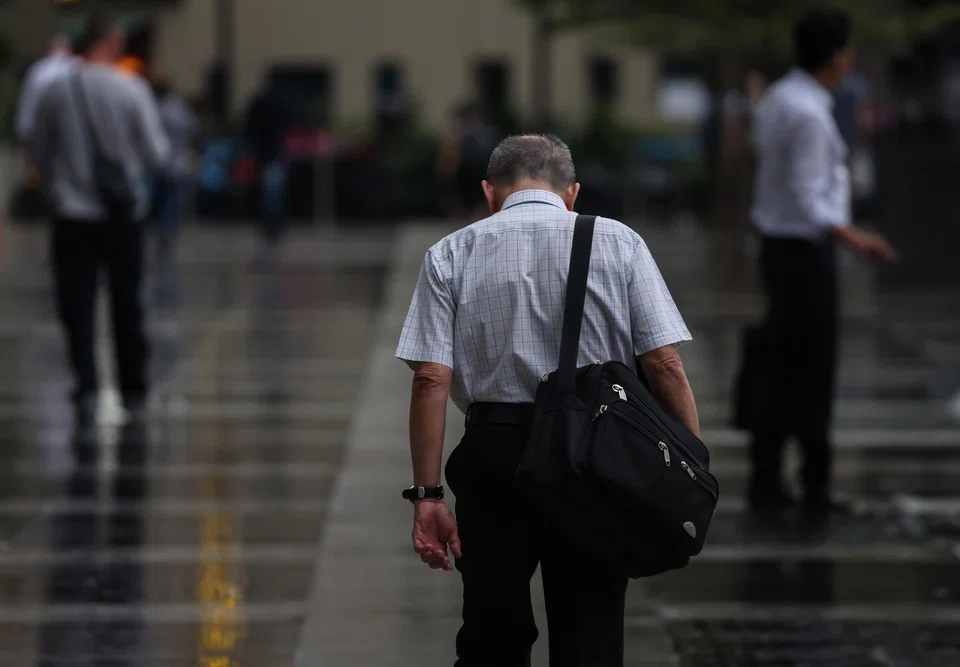
  • In a high-cost, high-expectation society like Singapore, even high earners are not immune to insecurity, says the writer.

  • In a high-cost, high-expectation society like Singapore, even high earners are not immune to insecurity, says the writer.

  • In a high-cost, high-expectation society like Singapore, even high earners are not immune to insecurity, says the writer.

  • In a high-cost, high-expectation society like Singapore, even high earners are not immune to insecurity, says the writer.

  • In a high-cost, high-expectation society like Singapore, even high earners are not immune to insecurity, says the writer.
  • In a high-cost, high-expectation society like Singapore, even high earners are not immune to insecurity, says the writer. PHOTO: YEN MENG JIIN, BT
  • In a high-cost, high-expectation society like Singapore, even high earners are not immune to insecurity, says the writer. PHOTO: YEN MENG JIIN, BT
  • In a high-cost, high-expectation society like Singapore, even high earners are not immune to insecurity, says the writer. PHOTO: YEN MENG JIIN, BT
  • In a high-cost, high-expectation society like Singapore, even high earners are not immune to insecurity, says the writer. PHOTO: YEN MENG JIIN, BT
  • In a high-cost, high-expectation society like Singapore, even high earners are not immune to insecurity, says the writer. PHOTO: YEN MENG JIIN, BT

Grace Tay

Published Sat, Mar 7, 2026 · 07:15 AM
MEET Henrik and Ryna, a married couple in their 30s who each make S$15,000 a month. Their salaries seem aspirational, yet they often feel uncertain about retirement adequacy.

These archetypal characters are “Henry” – short for “high earner but not rich yet”, typically defined as households in the top 10 to 15 per cent.

The paradox of high income paired with persistent anxiety deserves closer examination, especially in a society grappling with rising costs and shifting financial benchmarks.


To understand the Henrys’ anxieties, we must first look at their financial realities.

Henrys typically hold senior positions and juggle demanding schedules. Many live in private property, drive cars and outsource domestic chores. Wellness and self-care are priorities, and social memberships are common. They want the best for their kids, often purchasing enrichment classes and experiences.

These choices are not frivolous on their own, but together they create a high fixed-cost lifestyle.
 
Back
Top