

- Joined
- Aug 20, 2022
- Messages
- 31,316
- Points
- 113
Air India Pilots Flies Wrong 777 Aircraft to Canada Without Clearance, Returns Mid-Air
The Boeing 777-200LR, despite being a long-range aircraft, did not have the required clearance.
aviationa2z.com
DELHI- Tata Group-owned Air India (AI) flight AI185 from Delhi (DEL) to Vancouver (YVR) was forced to return mid-air after a regulatory error involving aircraft clearance. The Boeing 777-200LR used for the flight lacked approval to operate into Canada, prompting a costly diversion.
Heavy Takeoffs at SFO #shorts
The aircraft had already spent several hours airborne and entered Chinese airspace before the issue was identified, leading to its return to Delhi.
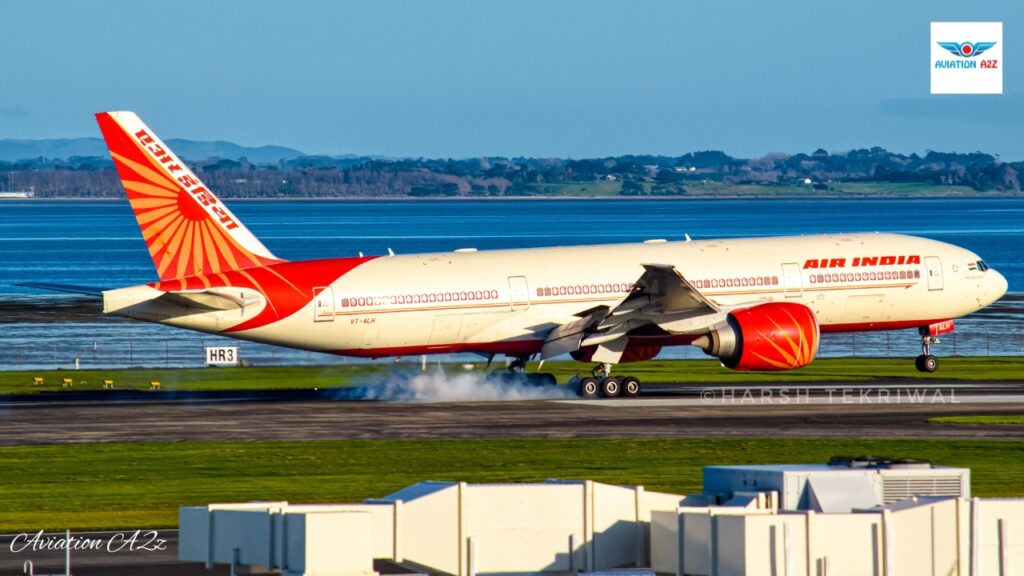
The discrepancy was identified after the aircraft had been airborne for over four hours and was near Kunming in Chinese airspace. At that point, the airline initiated a return to Delhi to comply with international aviation regulations.
According to TOI, such regulatory mismatches are rare and reflect operational oversight rather than systemic failure.
SCROLL TO CONTINUE READING
Flight tracking data shows the aircraft took off at 11:34 AM and landed back in Delhi at 7:19 PM, completing nearly nine hours of flying without reaching its destination.
Regulatory Protocols and Fleet-Specific Approvals
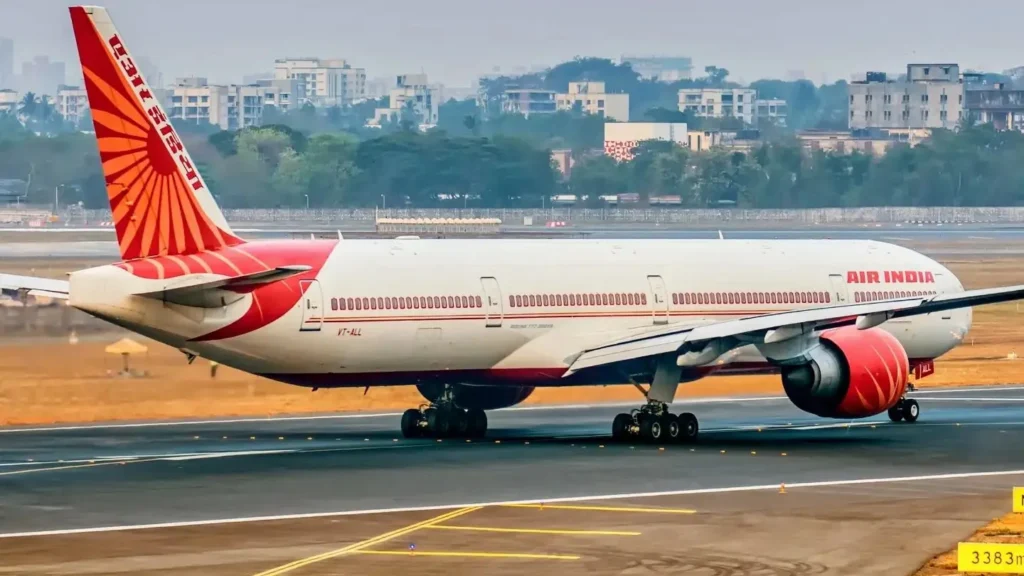
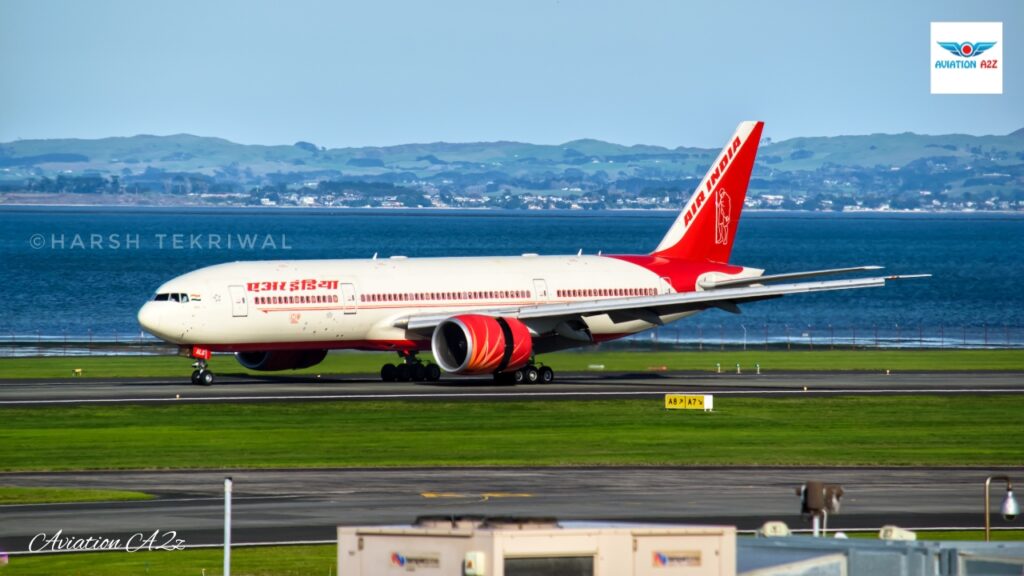
International aviation operations are governed by strict bilateral agreements and regulatory approvals. These approvals can vary by airline, aircraft type, or even specific aircraft registrations.In this case, Canadian authorities had approved Air India to operate only Boeing 777-300ER aircraft on routes into the country. The Boeing 777-200LR, despite being a long-range aircraft, did not have the required clearance.
Such fleet-specific restrictions are not uncommon and are enforced to ensure compliance with safety, operational, and certification standards.
Financial and Operational Impact of the Error
Operating a Boeing 777 involves significant fuel consumption, estimated at 8 to 9 tonnes per hour depending on conditions. A near nine-hour flight that returns to the origin results in substantial financial loss, especially in a high fuel price environment.This incident adds pressure on Air India, which is already managing cost efficiency and operational restructuring. Internal action is reportedly being considered against those responsible for the lapse.
Passenger Handling and Airline Response
Air India stated that the flight returned due to an operational issue in line with standard procedures. The aircraft landed safely, and passengers were assisted upon arrival in Delhi.The airline arranged hotel accommodations and worked to rebook passengers on the next available flight. The service to Vancouver resumed the following day with all affected travelers.
Air India emphasized that passenger safety and well-being remain its top priority and expressed regret for the inconvenience caused.
Industry Reaction and Operational Lessons
The incident has drawn attention within aviation circles due to its unusual nature. While route disruptions have become more common due to geopolitical tensions, especially over western airspace, a return caused by internal oversight on an eastern routing is considered highly avoidable.The situation highlights the importance of strict compliance checks in fleet assignment and dispatch processes, especially for long-haul international operations.
ALSO READ:
Similar Incident
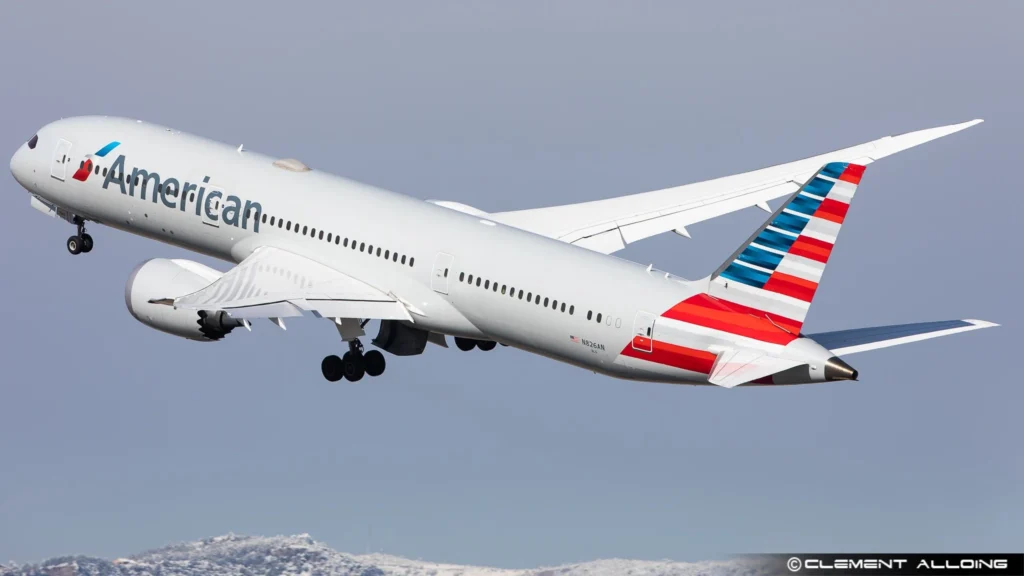
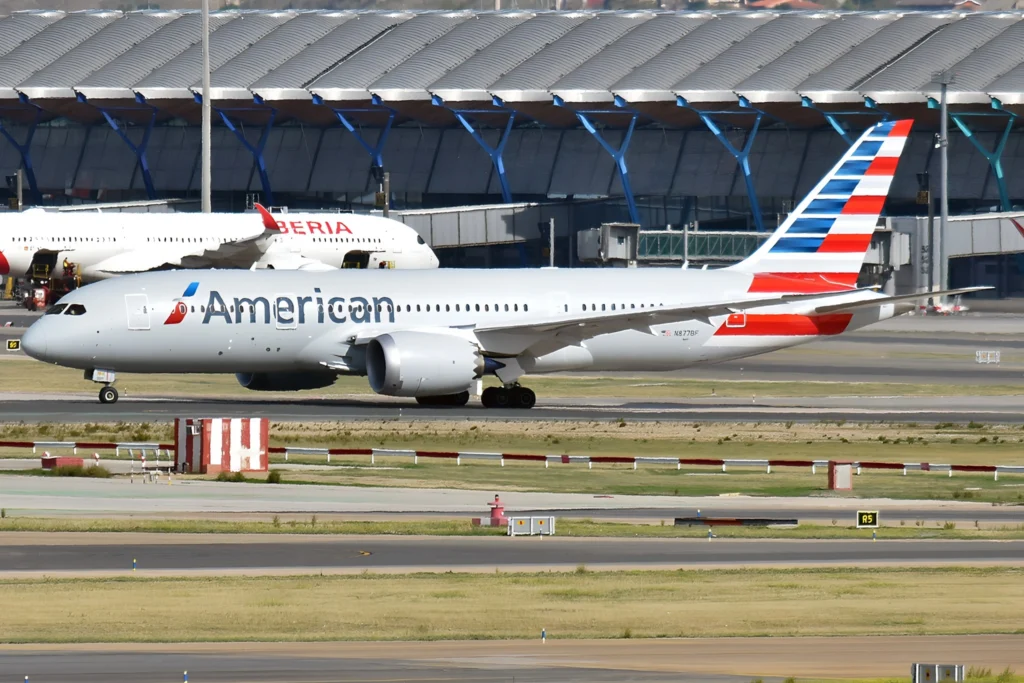
American Airlines (AA) Flight AA780 from Philadelphia (PHL) to Naples (NAP) diverted to Rome (FCO) after an aircraft mismatch. The Boeing 787-9 used on the route was not certified to land at Naples Airport (NAP), triggering a last-minute operational change.The flight operated normally across the Atlantic before the issue surfaced during descent into Naples (NAP). American Airlines (AA) later adjusted aircraft and crew in Rome (FCO) to complete the journey with minimal disruption.
Aircraft Swap Triggers Mid-Air Diversion
On June 2, 2025, American Airlines (AA) replaced the scheduled Boeing 787-8 with a larger Boeing 787-9 for Flight AA780. The change appeared routine but created a compliance issue with Naples International Airport (NAP).The aircraft, registered as N837AN, departed Philadelphia (PHL) at 7:42 PM and completed most of the transatlantic journey without incident. However, as the aircraft began descent, the crew diverted to Rome Fiumicino Airport (FCO), located about 124 miles from Naples.
Weather conditions in Naples (NAP) were stable, ruling out environmental factors. The diversion was linked solely to aircraft certification limits. The Boeing 787-9 variant used for the flight was not authorized to operate at Naples Airport.
Why Naples Airport Restricted the 787-9
The Boeing 787-8 and 787-9 differ in size and performance. The 787-9 has a longer fuselage and higher maximum takeoff weight, which affects runway requirements and ground handling.Naples Airport (NAP) operates in a constrained environment with terrain limitations and infrastructure constraints. These factors influence which aircraft types are approved for operations.
Airports often enforce strict compatibility rules based on runway length, taxiway clearance, and apron space. While the 787-8 meets these requirements, the 787-9 may exceed operational limits under certain conditions.
American Airlines’ Recovery Strategy
After landing in Rome (FCO), American Airlines executed a fleet adjustment to resolve the issue. The airline reassigned the diverted Boeing 787-9 to its Rome (FCO) to Chicago (ORD) route.This allowed a Boeing 787-8, registered as N880BJ, to take over the Naples (NAP) segment. However, crew duty time restrictions delayed immediate continuation.
The replacement aircraft and crew stayed overnight in Rome. On June 4, the flight completed a short 38-minute journey to Naples before returning to Philadelphia.
Passenger reaccommodation details remain unclear. Travelers may have been transferred via ground transport or rebooked on alternative flights.
Stay tuned with us. Further, follow us on social media for the latest updates.
Join us on Telegram Group for the Latest Aviation Updates. Subsequently, follow us on Google News


