• IP addresses are NOT logged in this forum so there's no point asking. Please note that this forum is full of homophobes, racists, lunatics, schizophrenics & absolute nut jobs with a smattering of geniuses, Chinese chauvinists, Moderate Muslims and last but not least a couple of "know-it-alls" constantly sprouting their dubious wisdom. If you believe that content generated by unsavory characters might cause you offense PLEASE LEAVE NOW! Sammyboy Admin and Staff are not responsible for your hurt feelings should you choose to read any of the content here.

    The OTHER forum is HERE so please stop asking.

Mozambique: Signs are all there’ islamic jihadists are attempting to establish Islamic state

duluxe

Alfrescian
Loyal
Joined
Mar 11, 2013
Messages
17,334
Points
113
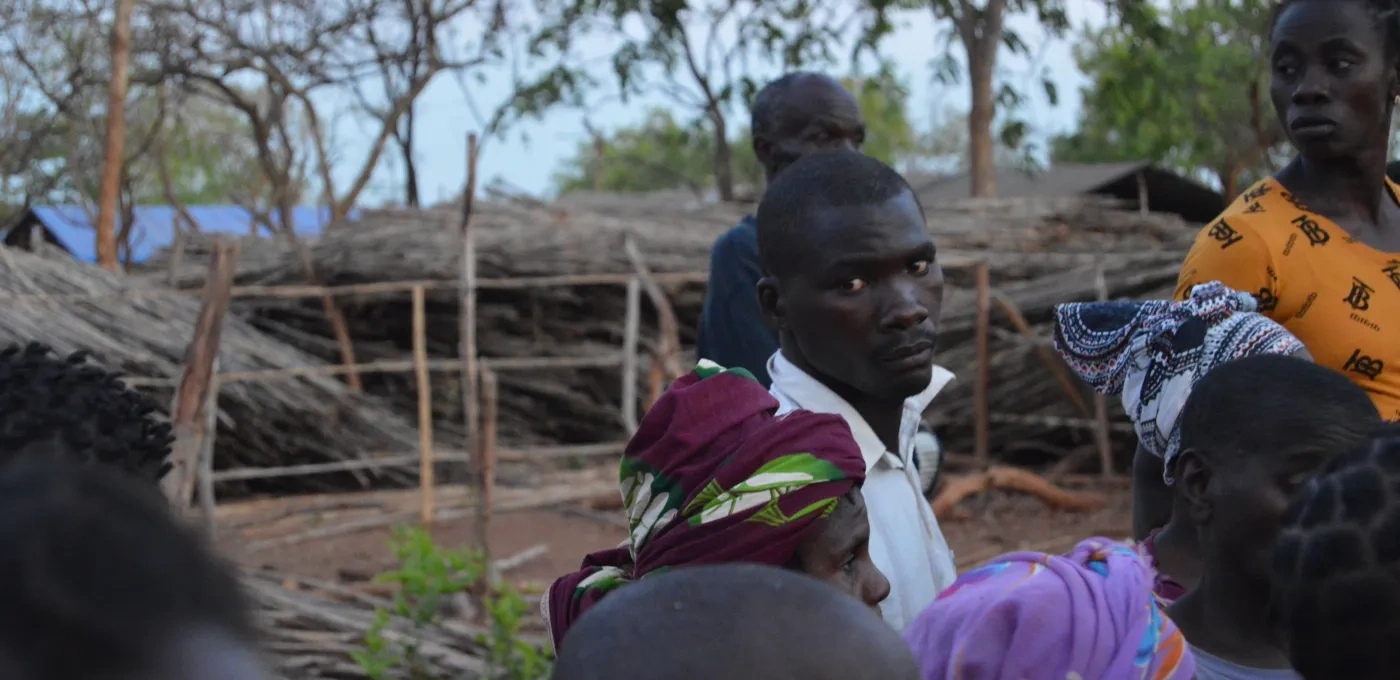
People from Pemba Diocese in Cabo Delgado jihadist hotspot


People from Pemba Diocese in Cabo Delgado jihadist hotspot (Image: © ACN)

A BISHOP in Mozambique has warned that Islamist extremists have publicly declared their intent to establish a caliphate in his region.

Bishop António Juliasse of Pemba told Catholic charity Aid to the Church in Need (ACN): “The signs are all there. They speak openly of a caliphate.

“When they find people, when they kidnap victims, that is what they say, that they are working for a caliphate.”

The Islamist insurgency in Mozambique, which started in 2017, has reportedly claimed more than 6,300 lives, with at least 1 million displaced.

Bishop Juliasse told ACN that Cabo Delgado Province used to be united despite its religious diversity, but religion has started becoming a dividing factor because of the jihadist insurgency.

Bishop Juliasse added: “What worries me is the hate speech which accompanies all the violence. For a long time, religion was one of the aspects that made coexistence easier, but now it is becoming an obstacle, it is beginning to divide.

“In the villages in Cabo Delgado, Christians used to attend Muslim funerals and vice versa, but now this is beginning to be questioned, and this is not because of the Christians.

“This is something that should worry the Government, and all of society, before it is too late.”

The bishop said silence was not the answer as, while it “may be a sign of caution”, it could also be read as “a lack of interest” in people’s sufferings.

He added: “Silence is always dangerous. It is hard to read and leads to confusion.

“That is why I have always said that we need to face up to the situation, to speak up, to guide people, tell them what needs to be done, what they can expect and what the people can do together. We need to have this discussion as a nation, but I don’t believe that we are handling it correctly.”

But the bishop was also clear that military force was not the only answer.

He said: “Recently we published a pastoral note protesting against the state of affairs in Cabo Delgado but also pointing out alternative paths.

“I don’t believe that the military option is the only solution. We need to find different paths, including one that Mozambique is already familiar with, the path of dialogue. The people of Mozambique need to dialogue so that this war can end.”

He said open discussion was especially important for a future of coexistence, adding: “Many of those who are fighting in the forests are from Mozambique, they are sons of this land, they are part of it.

“There may be a few foreigners, but we need to dialogue and have the courage to face up to this.”

The main terrorist group, known locally as Al Sunnah wa Jama’ah or Al-Shabab – which is not connected to the Al-Shabab group operating in Kenya and Somalia – is affiliated with Islamic State: Central Africa Province.

According to Church sources at least 300 Catholics have been killed in attacks targeting Christians. Around 118 Christian places of worship have been destroyed by jihadists.

ACN has been supporting the Church in Mozambique with emergency aid including psychological support.
 
People from Pemba Diocese in Cabo Delgado jihadist hotspot


People from Pemba Diocese in Cabo Delgado jihadist hotspot (Image: © ACN)

A BISHOP in Mozambique has warned that Islamist extremists have publicly declared their intent to establish a caliphate in his region.

Bishop António Juliasse of Pemba told Catholic charity Aid to the Church in Need (ACN): “The signs are all there. They speak openly of a caliphate.

“When they find people, when they kidnap victims, that is what they say, that they are working for a caliphate.”

The Islamist insurgency in Mozambique, which started in 2017, has reportedly claimed more than 6,300 lives, with at least 1 million displaced.

Bishop Juliasse told ACN that Cabo Delgado Province used to be united despite its religious diversity, but religion has started becoming a dividing factor because of the jihadist insurgency.

Bishop Juliasse added: “What worries me is the hate speech which accompanies all the violence. For a long time, religion was one of the aspects that made coexistence easier, but now it is becoming an obstacle, it is beginning to divide.

“In the villages in Cabo Delgado, Christians used to attend Muslim funerals and vice versa, but now this is beginning to be questioned, and this is not because of the Christians.

“This is something that should worry the Government, and all of society, before it is too late.”

The bishop said silence was not the answer as, while it “may be a sign of caution”, it could also be read as “a lack of interest” in people’s sufferings.

He added: “Silence is always dangerous. It is hard to read and leads to confusion.

“That is why I have always said that we need to face up to the situation, to speak up, to guide people, tell them what needs to be done, what they can expect and what the people can do together. We need to have this discussion as a nation, but I don’t believe that we are handling it correctly.”

But the bishop was also clear that military force was not the only answer.

He said: “Recently we published a pastoral note protesting against the state of affairs in Cabo Delgado but also pointing out alternative paths.

“I don’t believe that the military option is the only solution. We need to find different paths, including one that Mozambique is already familiar with, the path of dialogue. The people of Mozambique need to dialogue so that this war can end.”
.

He said open discussion was especially important for a future of coexistence, adding: “Many of those who are fighting in the forests are from Mozambique, they are sons of this land, they are part of it.

“There may be a few foreigners, but we need to dialogue and have the courage to face up to this.”

The main terrorist group, known locally as Al Sunnah wa Jama’ah or Al-Shabab – which is not connected to the Al-Shabab group operating in Kenya and Somalia – is affiliated with Islamic State: Central Africa Province.

According to Church sources at least 300 Catholics have been killed in attacks targeting Christians. Around 118 Christian places of worship have been destroyed by jihadists.

ACN has been supporting the Church in Mozambique with emergency aid including psychological support.
I just fail to understand you
Why are you so terrified by and of the Muslims?
Be like us Sikhs who have a history of being in combat with the Muslims
BUT we Sikhs have to date never held a grudge or hatred towards the Muslims


The Chief Minister of Punjab, Pakistan (Maryam Nawaz Sharif) has overseen a historic shift in the province's relationship with the Sikh community. The administration has actively courted Sikh pilgrims and residents through several landmark initiatives:

  • Historic Representation: Appointed Sardar Ramesh Singh Arora as the first Sikh provincial minister in post-partition history.
  • Helmet Exemption: Exempted the Sikh community from mandatory helmet laws in deference to religious turbans.
  • Religious Tourism: Provided heavy facilitation for international and Indian Sikh visitors at key sites like Gurdwara Nankana Sahib and the Kartarpur Corridor.
  • Minority Support: Enforced the Sikh Marriage Act and expanded "minority cards" to support the community's welfare.
These moves mark a period of warm relations, driven by a push for interfaith harmony, heritage preservation, and religious tourism.

1781273836936.png
 
Back
Top