
- Joined
- Apr 14, 2011
- Messages
- 21,642
- Points
- 113
so lucky like many Sinkies!

Chloe Loh


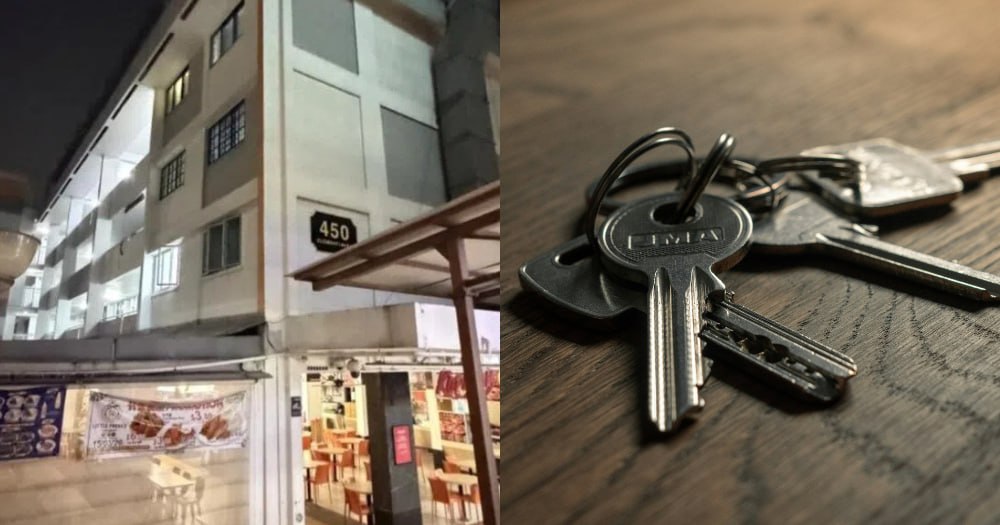
Photos from Shin Min Daily News and Unsplash.


A three-room Housing and Development Board (HDB) flat in Clementi has become the subject of a legal dispute between the ex-wife and current wife of a deceased police officer, with both women claiming rightful ownership of the property.
According to Chinese-language daily Shin Min Daily News, the deceased, Wang Weiqiang (transliteration), who worked as a station inspector, passed away from a heart attack in October 2022.
Wang had been married to a 33-year-old Vietnamese national, Nguyen Hoang Mai Phuong(the plaintiff), at the time of his death. The other party is his ex-wife, 42-year-old Dessy (the defendant).
The disputed property is located at Block 450, Clementi Avenue 3.
The defendant married Wang in 2008, bringing along a daughter from a previous relationship, whom he later adopted, Shin Min reported.
The couple purchased the Clementi flat in 2011 and had a son together that same year.
They divorced in 2017.
Wang subsequently married the plaintiff in August 2018, and they had a daughter together.
The plaintiff argued that the flat rightfully belonged to her late husband.
According to Shin Min, she told the court that, based on the 2017 divorce decree, the judge had awarded ownership of the property to Wang.
However, he had died before the transfer of ownership was completed.
After obtaining a power of attorney for estate administration on Jun. 20, 2025, the plaintiff discovered that the defendant had submitted Wang's death certificate to the Singapore Land Authority in November 2024, subsequently acquiring full ownership of the flat and selling it for S$451,888 in July that year.
The plaintiff has since filed a lawsuit demanding the return of the property and any rental income earned during that period.
In her affidavit, the defendant countered that during the divorce, Wang had requested that she give up the property for the sake of him and their son, as reported in Shin Min.
She had agreed on the condition that Wang repay a S$50,000 loan she had extended to him and pay S$1,000 per month in alimony.
At the time, she was a housewife and said she accepted the arrangement, knowing that Wang had a stable income as a police officer.
The defendant argued that Wang later defaulted on alimony payments after remarrying, and that the S$50,000 debt remained outstanding, thus breaching their agreement.
On that basis, she contended that ownership of the property should have reverted to her upon his death.
She filed a counterclaim seeking formal ownership of the flat, as well as demanding that the plaintiff repay the remaining debt of S$34,400 on Wang's behalf.
The two parties offered starkly different accounts of the plaintiff’s marriage to Wang and her relationship with the family.
The plaintiff told the court she had moved into the Clementi flat after marriage and helped care for Wang's son from his marriage with the defendant.
She said she later moved out temporarily with her infant daughter, concerned that the son, who has special needs, might accidentally cause harm to her daughter, as she claimed he tended to throw things around.
The defendant, however, alleged that the plaintiff was upset that she and Wang still kept in contact over matters concerning their son and was abusive towards him.
She claimed that in December 2019, Wang discovered the plaintiff mistreating the son, and that the plaintiff and her mother had also physically assaulted Wang, prompting him and his parents to call the police and have her removed from the flat.
Wang's father also said that after she left the house, they had not seen her again, and that she had only turned up at Wang's funeral, where they immediately asked her to leave.
Wang's father and brother submitted affidavits supporting the defendant’s account.
According to Shin Min, the father said he had, on one occasion, noticed bruises on his grandson’s ears and scars on his forehead.
When questioned, the plaintiff denied any involvement, claiming he had gotten injured in school.
He also noted that the child appeared reluctant to return home whenever the plaintiff was present.
Wang's father and brother also alleged they had witnessed injuries on Wang's body, and were told these had been inflicted by the plaintiff’s mother.
The defendant told the court that on Oct. 18, 2018, she had sent Wang a text message asking to see their son, only for the plaintiff to seize the phone and rebuke her, questioning why she was still seeking support from Wang after the divorce and calling her "shameless".
Shin Min reported that the defendant claimed that after Wang had asked the plaintiff to leave their home, he invited the defendant to move back in, telling her that the flat was rightfully hers.
Wang and his parents had also tidied up a room so that the plaintiff could move back with her daughter, to make it easier to care for their son.
According to the defendant, Wang had also told her that he and the plaintiff had been living separately for years but had not formalised a divorce, primarily because they could not afford a lawyer.
His parents had also reminded him to draft a will, but he died before doing so.
The defendant, who held the keys to the flat, said she decided to move out and sell the property since the plaintiff was aware of the property's address, and she was concerned for her family's safety.
According to Shin Min, the plaintiff had applied for a caveat on the property, stalling the transaction and bringing renovations to a halt midway.
When Shin Min visited the unit, they found the front door boarded up, and a three-tiered plastic storage cabinet was placed outside the door.
A neighbour on the same floor said the unit had been vacant since renovations stopped around August or September 2025, and that no family members had been seen entering or leaving since.
S'pore police officer's wife, 33, & ex-wife, 42, clash over Clementi HDB after his death, offer wildly different accounts of marriage
The plaintiff and her mother were also alleged to have physically assaulted Wang.Chloe Loh
May 06, 2026, 06:24 PM
Photos from Shin Min Daily News and Unsplash.
A three-room Housing and Development Board (HDB) flat in Clementi has become the subject of a legal dispute between the ex-wife and current wife of a deceased police officer, with both women claiming rightful ownership of the property.
According to Chinese-language daily Shin Min Daily News, the deceased, Wang Weiqiang (transliteration), who worked as a station inspector, passed away from a heart attack in October 2022.
ADVERTISEMENT
Wang had been married to a 33-year-old Vietnamese national, Nguyen Hoang Mai Phuong(the plaintiff), at the time of his death. The other party is his ex-wife, 42-year-old Dessy (the defendant).
The disputed property is located at Block 450, Clementi Avenue 3.
Background
The defendant married Wang in 2008, bringing along a daughter from a previous relationship, whom he later adopted, Shin Min reported.
The couple purchased the Clementi flat in 2011 and had a son together that same year.
They divorced in 2017.
Wang subsequently married the plaintiff in August 2018, and they had a daughter together.
Plaintiff's case
The plaintiff argued that the flat rightfully belonged to her late husband.
According to Shin Min, she told the court that, based on the 2017 divorce decree, the judge had awarded ownership of the property to Wang.
However, he had died before the transfer of ownership was completed.
After obtaining a power of attorney for estate administration on Jun. 20, 2025, the plaintiff discovered that the defendant had submitted Wang's death certificate to the Singapore Land Authority in November 2024, subsequently acquiring full ownership of the flat and selling it for S$451,888 in July that year.
ADVERTISEMENT
The plaintiff has since filed a lawsuit demanding the return of the property and any rental income earned during that period.
Defendant's case
In her affidavit, the defendant countered that during the divorce, Wang had requested that she give up the property for the sake of him and their son, as reported in Shin Min.
She had agreed on the condition that Wang repay a S$50,000 loan she had extended to him and pay S$1,000 per month in alimony.
At the time, she was a housewife and said she accepted the arrangement, knowing that Wang had a stable income as a police officer.
The defendant argued that Wang later defaulted on alimony payments after remarrying, and that the S$50,000 debt remained outstanding, thus breaching their agreement.
On that basis, she contended that ownership of the property should have reverted to her upon his death.
She filed a counterclaim seeking formal ownership of the flat, as well as demanding that the plaintiff repay the remaining debt of S$34,400 on Wang's behalf.
Differing accounts of the marriage
The two parties offered starkly different accounts of the plaintiff’s marriage to Wang and her relationship with the family.
ADVERTISEMENT
The plaintiff told the court she had moved into the Clementi flat after marriage and helped care for Wang's son from his marriage with the defendant.
She said she later moved out temporarily with her infant daughter, concerned that the son, who has special needs, might accidentally cause harm to her daughter, as she claimed he tended to throw things around.
The defendant, however, alleged that the plaintiff was upset that she and Wang still kept in contact over matters concerning their son and was abusive towards him.
She claimed that in December 2019, Wang discovered the plaintiff mistreating the son, and that the plaintiff and her mother had also physically assaulted Wang, prompting him and his parents to call the police and have her removed from the flat.
Wang's father also said that after she left the house, they had not seen her again, and that she had only turned up at Wang's funeral, where they immediately asked her to leave.
Wang's father and brother supported ex-wife's account
Wang's father and brother submitted affidavits supporting the defendant’s account.
According to Shin Min, the father said he had, on one occasion, noticed bruises on his grandson’s ears and scars on his forehead.
When questioned, the plaintiff denied any involvement, claiming he had gotten injured in school.
ADVERTISEMENT
He also noted that the child appeared reluctant to return home whenever the plaintiff was present.
Wang's father and brother also alleged they had witnessed injuries on Wang's body, and were told these had been inflicted by the plaintiff’s mother.
The defendant told the court that on Oct. 18, 2018, she had sent Wang a text message asking to see their son, only for the plaintiff to seize the phone and rebuke her, questioning why she was still seeking support from Wang after the divorce and calling her "shameless".
Wang allegedly asked defendant to move back in
Shin Min reported that the defendant claimed that after Wang had asked the plaintiff to leave their home, he invited the defendant to move back in, telling her that the flat was rightfully hers.
Wang and his parents had also tidied up a room so that the plaintiff could move back with her daughter, to make it easier to care for their son.
According to the defendant, Wang had also told her that he and the plaintiff had been living separately for years but had not formalised a divorce, primarily because they could not afford a lawyer.
His parents had also reminded him to draft a will, but he died before doing so.
The defendant, who held the keys to the flat, said she decided to move out and sell the property since the plaintiff was aware of the property's address, and she was concerned for her family's safety.
ADVERTISEMENT
Plaintiff applied for a caveat on the property
According to Shin Min, the plaintiff had applied for a caveat on the property, stalling the transaction and bringing renovations to a halt midway.
When Shin Min visited the unit, they found the front door boarded up, and a three-tiered plastic storage cabinet was placed outside the door.
A neighbour on the same floor said the unit had been vacant since renovations stopped around August or September 2025, and that no family members had been seen entering or leaving since.
"I only know the homeowner's Vietnamese wife. We rarely talk to each other and only exchange greetings. I've seen the homeowner's parents visit before, and we'll chat for a bit occasionally. His father once mentioned that he didn't like his daughter-in-law, but I don't know the specifics."


