

- Joined
- Aug 20, 2022
- Messages
- 31,228
- Points
- 113
Shingles vaccine linked to fewer heart attacks and strokes, study suggests – what you need to know
Research found that vaccinated individuals were 46 per cent less likely to suffer major cardiac events. Doctors explain what the science says – and whether it’s a replacement for cardiac care just yet.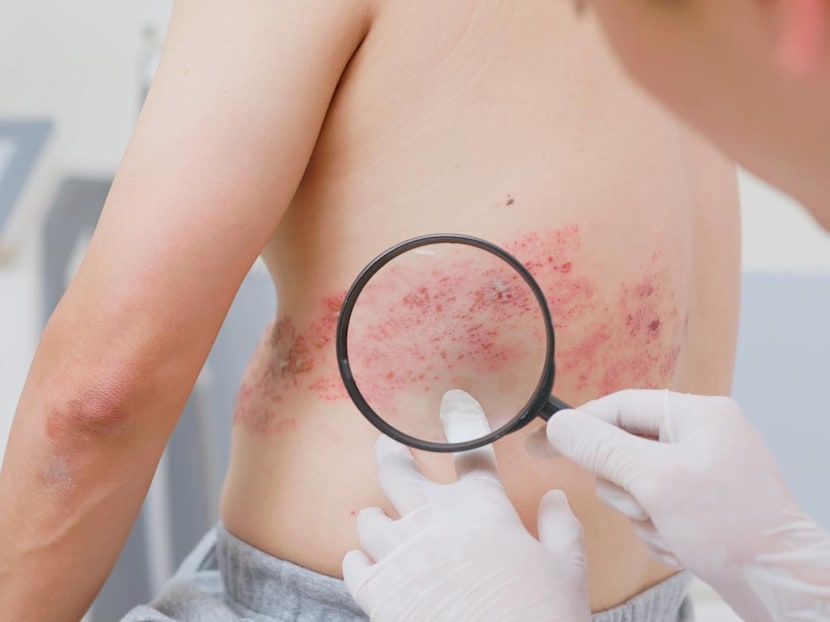
The peculiar appearance (rashes and blisters on just one side of the body) is due to the virus following a specific sensory nerve that starts from the spinal cord. (Photo: iStock/Pony Wang)

Khoo Bee Khim
05 May 2026 07:22AM (Updated: 05 May 2026 09:59AM)
You’ve probably seen the ads encouraging seniors above 60 to get the shingles vaccine – and think, oh bother, another vaccine to look into. But what if the same vaccine could potentially protect you from heart attack, stroke and cardiac-related deaths as well?
A study presented at the American College of Cardiology’s Annual Scientific Session in March reported that people with heart disease, who received a shingles vaccine, had nearly half the rate of serious cardiac events a year later, compared to those who did not get the vaccine.
More specifically, the medical reports of over 246,000 adults with artherosclerotic heart disease were analysed – half of which had received at least one dose of either the Zostavax or Shingrix shingles vaccine.
The shingles-protected participants were found to be “32 per cent less likely to suffer a heart attack, 25 per cent less likely to suffer a stroke, and 25 per cent less likely to develop heart failure”. The researchers also noted that “vaccinated individuals were 46 per cent less likely to suffer any major adverse cardiac event, and 66 per cent less likely to die from any cause”.
“Looking at the highest risk population, those with existing cardiovascular disease, these protective effects might be even greater than among the general public,” said Dr Robert Nguyen, a resident physician at the University of California, and the study’s lead author.
It sounds promising, especially if you have been grappling with heart problems. But how does the shingles vaccine work on cardiovascular issues? Why aren’t heart doctors recommending the vaccine? What even is shingles?
The varicella-zoster virus that causes chickenpox doesn’t die after you recover but lies dormant in the body. You don’t notice it because your immune system usually does a good job keeping the virus from reactivating.
But when your immune system naturally weakens with age, or what the doctors call immunosenescence, the virus starts to reawaken and reincarnate as shingles – a painful, blistering rash that erupts as a stripe or cluster on just one side of the body, usually on the waist, chest, back or neck.
Shingles’ peculiar appearance is due to the virus traversing a specific sensory nerve that starts from the spinal cord – which explains why the rash doesn’t cross your body’s midline – and only affects the skin along that nerve.

In fact, PNH “is the most common complication of shingles occurring in about 10 per cent to 15 per cent of patients”, said Dr Adrian Poh, the medical director and a family physician with HMI OneCare Clinic. “This incidence may rise to up to 50 per cent in older populations of patients.”
HOW DOES THE VACCINE PROTECT AGAINST HEART PROBLEMS?
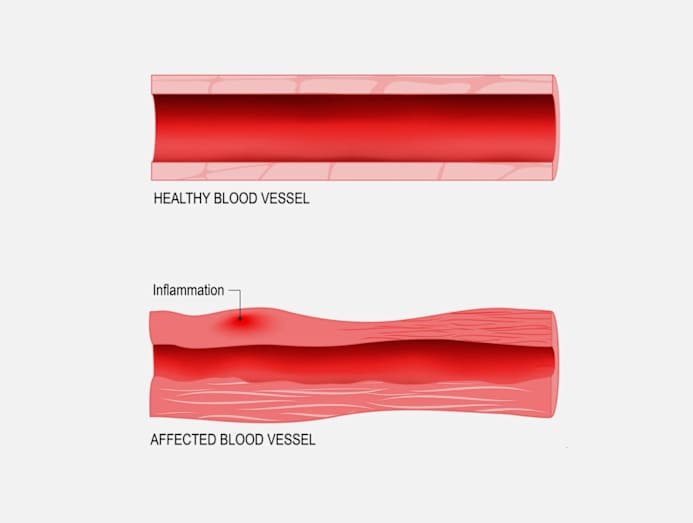
The reactivation of the varicella‑zoster virus can cause inflammation that raises the risk of stroke and acute coronary events after a shingles episode, explained Dr Rohit Khurana, a consultant cardiologist from The Harley Street Heart And Vascular Centre.For example, the same virus can bring on varicella‑zoster virus vasculitis, a stroke-like condition caused by the bug triggering inflammation and vessel damage in the cerebral arteries.
The virus can also injure the inner lining of blood vessels, causing them to become inflamed and "sticky", which then leads to chronic inflammation and plaque buildup that result in atherosclerosis, heart attacks, stroke and hypertension.
Dr Khurana added that “older adults and people with existing cardiovascular disease or vascular risk factors gain the greatest absolute reduction in risk because their baseline risk of vascular events is higher”.
CAN THE SHINGLES VACCINE BE USED SPECIFICALLY FOR HEART ISSUES?
No, said the doctors, at least not for now. “It is important to stress that Shingrix is not approved to prevent or treat heart disease,” explained Dr Lim. “From a clinical perspective, the primary reason to be vaccinated remains protection against shingles and its complications, which are common and can be debilitating.”While Dr Khurana found the results of the study “exciting”, he didn’t foresee shingles vaccines being used as off-label options for individuals prone to cardiovascular disease. More research is needed to “provide stronger causal evidence across epidemiology, trials and biology”, he said, such as imaging studies demonstrating vascular inflammation, and biomarkers showing inflammation after a shingles episode.
Dr Sujipto also emphasised that more studies are needed. “Current evidence remains limited and further studies, particularly larger-scale observational data, are needed before drawing firm conclusions about the relationship between shingles vaccination and cardiovascular health.”

WHAT ARE THE SHINGLES VACCINES AVAILABLE HERE?
Currently, there isn’t an antiviral medication available that can kill the virus – only two vaccines, Zostavax and Shingrix – that boost your immune system to suppress it. “Zostavax uses a weakened but live form of the chickenpox virus to stimulate the immune system,” said Dr Lim.“Shingrix is a non-live vaccine. It uses a small piece of the virus’ protein combined with an adjuvant to produce a stronger and more sustained immune response. In clinical studies, Shingrix has shown higher and longer-lasting protection, particularly in older adults,” said Dr Lim, and can last at least 11 years with no booster recommended.
According to Dr Poh, Zostavax was discontinued in Singapore in December 2023, and worldwide around 2024. “Shingrix is the only vaccine currently available for shingles in Singapore.”
ARE THERE SIDE EFFECTS AND CONTRAINDICATIONS WITH THE SHINGLES VACCINE?
Shingrix is recommended for all adults aged 60 years and above as well as immunocompromised adults aged 18 to 59 years, according to Dr Sujipto. “It is recommended as a course of two doses, with an interval of two to six months between the doses.”After each injection, you can expect arm soreness, fatigue or a low-grade fever, said Dr Lim, which typically resolves within a few days.
“The main category requiring careful timing is immunosuppressive therapy (medicines that weaken the immune system),” said Dr Lim. “Ideally, the vaccination should be done before starting such a treatment, or at a time when the immune system is strongest.” He added to highlight to your doctor if you have a known severe allergy.

Dr Khurana agreed, even with common cardiac medications such as statins, beta‑blockers, ACE inhibitors, calcium‑channel blockers, diuretics, antianginals and most antiarrhythmics.
However, if you’re put on anticoagulants, you may have a slightly increased risk of injection-site bruising, said Dr Sujipto. Applying direct pressure on the injection site for a longer period of time (about 5 minutes) can usually avoid bruising, she said.
“In practice, many patients only consider shingles vaccination after seeing a family member or friend go through the condition. By then, it is often too late. Vaccination helps prevent that experience altogether,” said Dr Lim.


