

- Joined
- Aug 20, 2022
- Messages
- 31,342
- Points
- 113
Nagpur neurosurgeon Dr Chandrashekhar Pakhmode dies of heart attack at 53, was fit, had clean ECG 3 days ago: Which cardiac risks are we missing?
A cardiologist explains why we need to look at stress, burnout and sleep
Written by: Rinku Ghosh5 min read
Updated: Jan 4, 2026 03:09 PM IST
indianexpress.com
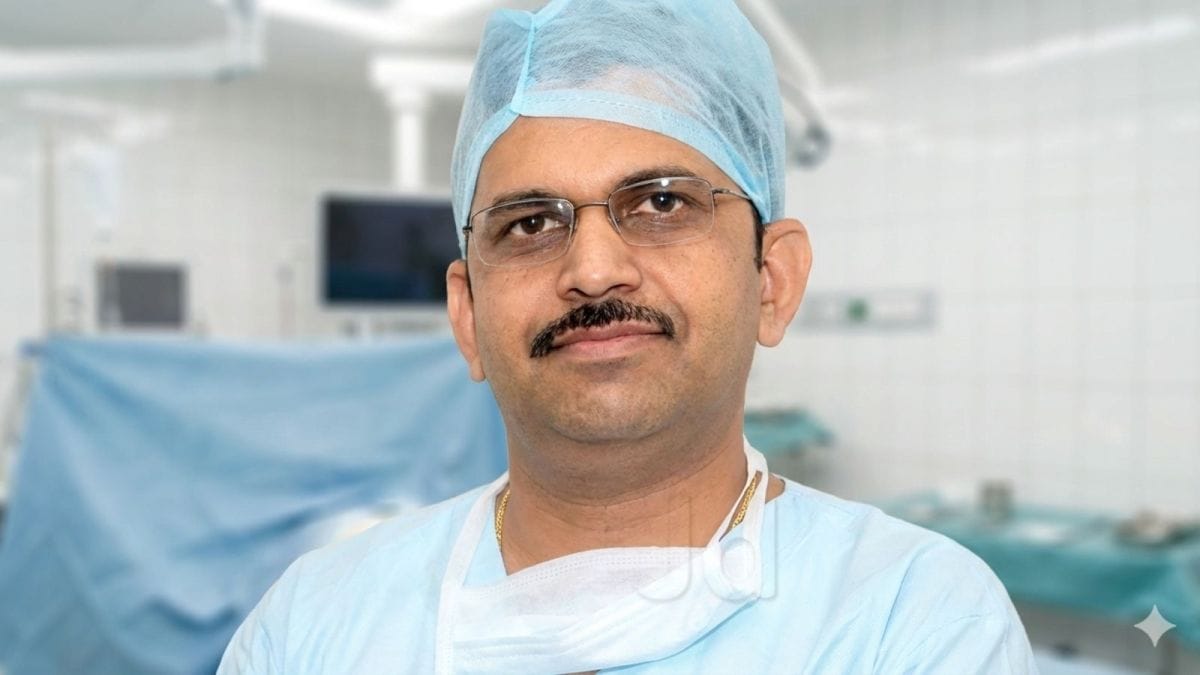
As Nagpur’s renowned neurosurgeon, Dr Chandrashekhar Pakhmode, died of a severe heart attack in the early hours of December 31 at 53, many questions are being raised as to what risk factors of a heart attack we are missing while ticking off the checklist for regular markers like blood sugar and cholesterol, ECG and watching our diet and fitness levels. What is most surprising is that he was fitness conscious and had a clean ECG just days ago. But still he collapsed at 6 am on Wednesday and despite being rushed to hospital in time and intense revival efforts, could not make it.
What could have happened then? Dr Ranjan Shetty, lead cardiologist and medical director, Sparsh Hospital, Bengaluru, says he has seen many doctors suffer heart attacks primarily because of stress, long hours at work, less sleep and burnouts. “All other factors being normal, this one factor is the greatest risk trigger among doctors and is the primary reason why most of them have either heart attacks or sudden cardiac arrest. And if there is a serious heart blockage in the left main artery, or the Left Anterior Descending (LAD) artery, a major vessel supplying the front of the heart, then that becomes extremely dangerous due to the large amount of muscle affected, often leading to significant damage or death,” says Dr Shetty.
He has himself seen another young doctor, who had a 100 per cent blockage in his left main artery, die despite angioplasty and being put on an ECMO machine, which functions as a temporary heart and lung support system.
Why a left artery blockage is dangerous
A 100% blockage of the left main artery cuts off about 50 per cent of the oxygenated blood supply to a critical section of the heart muscle, damaging it completely. This can even cause the heart’s normal electrical signals to become erratic, what we call arrhythmia. This can cause sudden cardiac arrest, when the heartbeats stop unexpectedly.
Can stress alone trigger a heart attack in a fit person?
Stress and burnout lead to chronic inflammation, which weakens the blood vessels in the heart, making them prone to wear and tear. Now their damaged walls allow “bad” or low-density lipoprotein (LDL) cholesterol to enter and get trapped. This leads to quicker development of plaques and blockages.
Stress pushes up the “fight or flight” hormone like adrenaline, which increases mental and physical alertness during stressful situations. It causes the heart to beat faster and raises blood pressure. Now imagine this routine as continuous and over a long time. The heart will get damaged eventually. Another stress hormone called cortisol increases blood pressure, as well as blood sugar, cholesterol, and triglycerides.
Short-term stress can have an impact as well. So even if you have some plaque in your arteries, an adrenaline gush can dislodge and rupture it, resulting in a blood clot that could grow large enough to block blood flow and trigger a heart attack. In people with pre-existing heart conditions, genetic history and co-morbidities, stress can aggravate underlying conditions. Stress eating or drinking worsen all risk factors together. A Lancet study had shown how people who reported high stress, a history of depression and other psychosocial factors were 2.5 times more likely to have a heart attack than those who had low stress or no history of depression.
Retention of tension is hypertension. Young doctors and professionals must, therefore, keep their BP levels in check. High BP with stress leads to overproduction of stress-related hormones in the body. These damage artery walls too.
Doctors also tend to ignore symptoms like sudden and unexplained fatigue, mild pain, nausea and light-headedness as exhaustion.
A heart attack at 6 am
In the early hours, the body releases a surge of stress hormones, primarily cortisol and adrenaline, to prepare you for the day’s challenges. These increase heart rate and blood pressure, raising the heart’s demand for oxygen. Any additional pressure or stress means these hormones, which typically surge between 3 am and 6 am, have a multiplier effect and often constrict arteries, disrupting flow of oxygenated blood and dislodging plaques. Also, blood platelets clump together faster as the body is dehydrated and its natural ability to break down clots is lower due to higher levels of a protein. This increases the risk of clot formation.
That’s why I tell my patients to give themselves half an hour on waking up and not engage with the day’s challenges, phone or any triggering issue.
Can an ECG miss such a buildup of plaque?
The ECG might appear normal if done in the early stages of a heart attack and may not pick up the electrical signals right. People with diabetes often have few or no noticeable symptoms and minimal ECG changes. Symptoms of a heart attack can occur with severely restricted blood flow but no damage, a condition called unstable angina, which a routine ECG often misses. That’s why do the troponin protein blood tests to detect heart muscle damage.


