

- Joined
- Sep 22, 2008
- Messages
- 92,001
- Points
- 113
Asean+3, not the US, is now the world’s largest market
This structural shift has measurable consequences for how shocks propagateSummarise
阅读简体中文版 (beta)
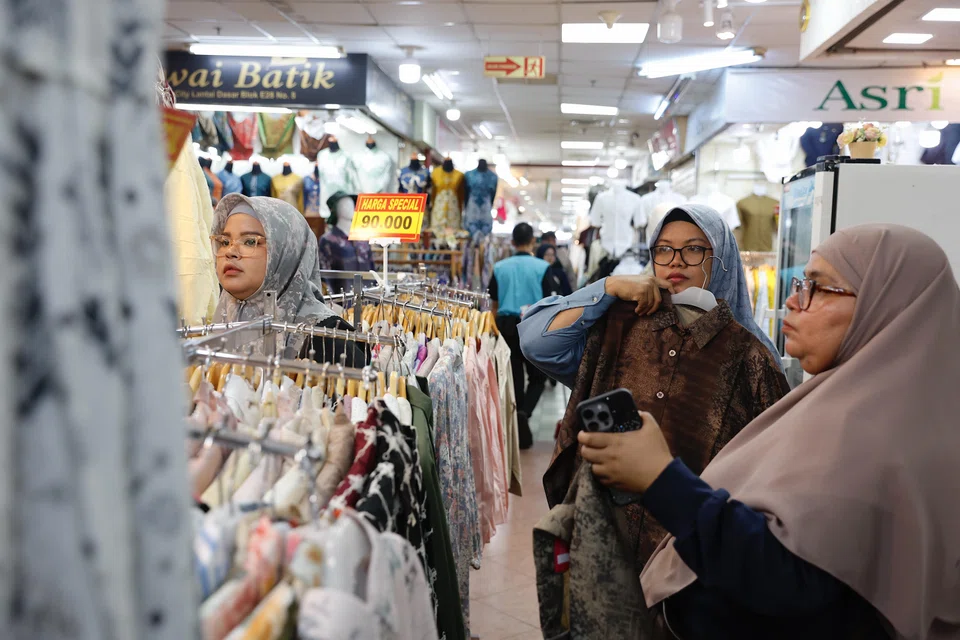
- Customers at a shopping centre in Jakarta. Asean, with nearly 700 million consumers and rapidly expanding middle classes, represents one of the fastest-growing demand bases in the global economy. PHOTO:
Dong He and Allen Ng
Published Tue, Feb 3, 2026 · 07:00 AM — Updated Wed, Feb 11, 2026 · 02:00 PMTHE tariffs imposed by the US last year have reignited a familiar narrative: Asia’s export-dependent economies face an existential threat when US consumers pull back.
The story goes that Asean+3 – China, Japan, South Korea and Asean – remains fundamentally a factory floor for Western consumption, vulnerable to any disruption in demand from advanced economies.
This narrative is outdated. The structure of the global economy has shifted in ways that conventional analysis has been slow to recognise. Asean+3 is no longer merely the world’s factory. It has become the world’s largest market.
By 2022, the region accounted for 28 per cent of global final demand, surpassing the US at 26 per cent – a measure derived from value-added analysis, which traces final destinations rather than border crossings.
This is not a statistical curiosity. It represents a fundamental reordering of where global production ultimately gets absorbed.
Two decades ago, nearly a third of Asean+3’s exports serving final demand went to the US. In 2022, that share had fallen to 20 per cent, while intra-regional demand was nearly 30 per cent. Increasingly, Asia is producing for itself.


