Follow along with the video below to see how to install our site as a web app on your home screen.
Note: This feature may not be available in some browsers.
IP addresses are NOT logged in this forum so there's no point asking. Please note that this forum is full of homophobes, racists, lunatics, schizophrenics & absolute nut jobs with a smattering of geniuses, Chinese chauvinists, Moderate Muslims and last but not least a couple of "know-it-alls" constantly sprouting their dubious wisdom. If you believe that content generated by unsavory characters might cause you offense PLEASE LEAVE NOW! Sammyboy Admin and Staff are not responsible for your hurt feelings should you choose to read any of the content here. The OTHER forum is HERE so please stop asking.
While members of the public were outraged by the resident’s ‘entitled’ behaviour, the incident also thrust the Comprehensive Economic Cooperation Agreement (CECA) into the spotlight.
Some netizens criticised the agreement for “opening the floodgates” for Indian nationals to migrate to Singapore and compete with locals for jobs.
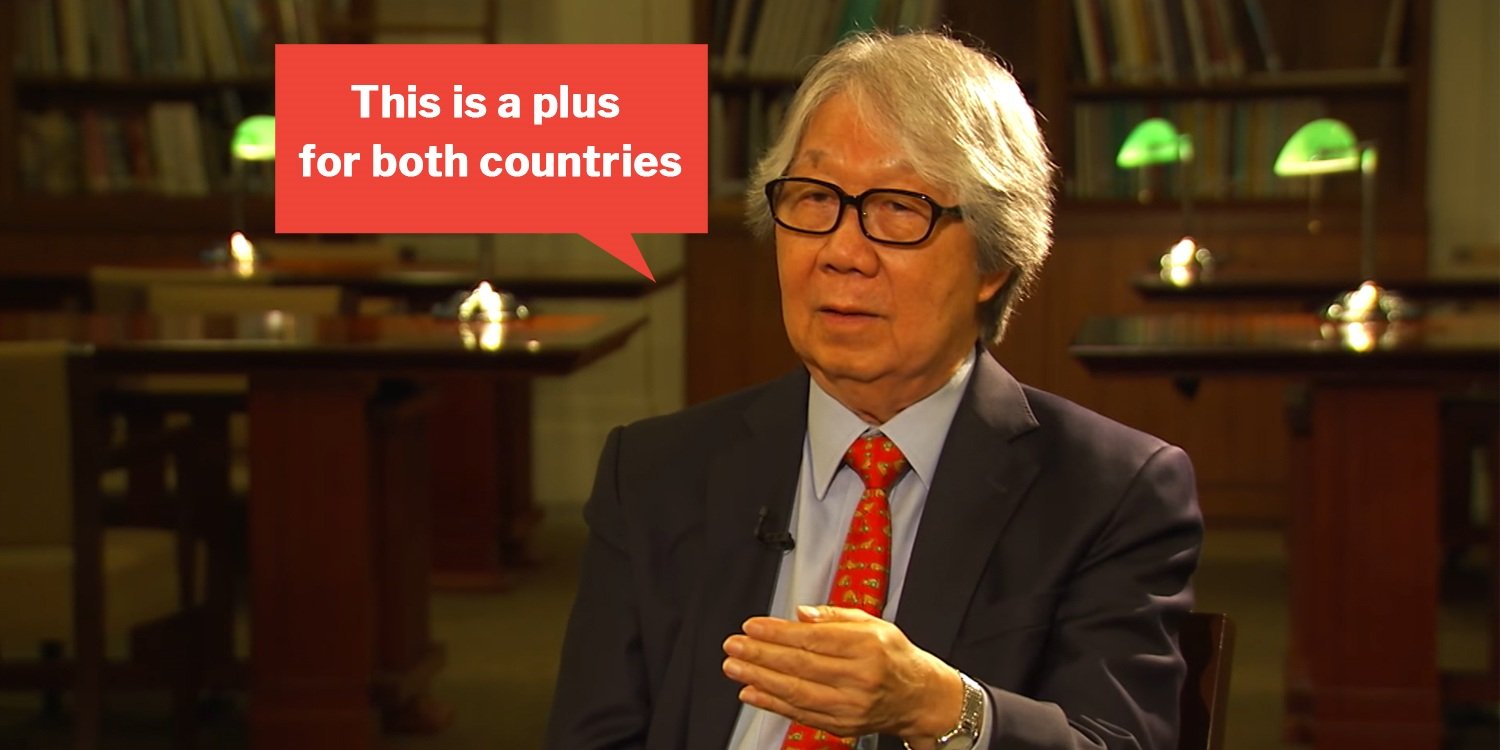
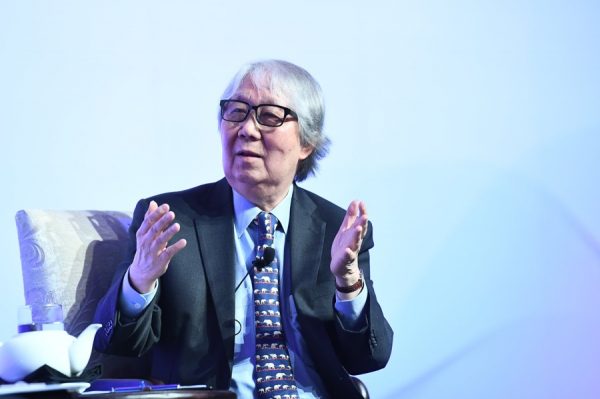
On Saturday (23 Nov), The Straits Times published an op-ed written by veteran diplomat Tommy Koh regarding his thoughts on Singapore’s Free Trade Agreements (FTAs), which includes CECA.
In short, Prof Koh claims that as long as Indian professionals are coming in to fill gaps and not displace locals, CECA is mutually beneficial to both countries.
The full op-ed can be found here. It’s pretty long, but a very informative read. We summarise some of his points pertaining to CECA below.
3 ways CECA benefitted Singapore, according to Prof Tommy Koh
For some background knowledge, CECA was signed between Singapore and India in 2005. The agreement lowers barriers for trade and movement of people between the 2 countries.
Now, what does Prof Tommy Koh know about such agreements?
Well, he was a key figure of the Singapore delegation that negotiated our FTA with the US. He even chaired 2 World Trade Organisation dispute panels, according to his sign-off in The Straits Times.
So how has CECA benefitted Singapore? Prof Koh listed 3 points:
Removed most tariff barriers that Singapore firms face entering India
Allowed DBS and UOB to provide integral banking services in India
Established a framework for intellectual property rights and dispute settlement in India
On the other hand, CECA also allows for intra-company transferees, letting Indian nationals work in Singapore for a specific duration.
CECA does not guarantee jobs for Indian nationals
However, Prof Koh also addressed some misconception regarding CECA.
Firstly, the agreement does not guarantee Indian nationals with jobs in Singapore.
They are also not accorded preferential treatment over the locals.
Lastly, Indian nationals must also meet the work-pass qualifying criteria before they are allowed to work here.
India has a talent surplus while Singapore, a talent deficit
Over the 14 years since CECA was signed, Prof Koh claims that CECA has brought “many benefits” to both Singapore and India.
Particularly, he pointed out that India has a “talent surplus” while Singapore is running a “talent deficit”.
In ending, Prof Koh said that so long as Indian talents are brought in to “fill the gap”, and not to displace Singaporeans from their jobs, CECA remains mutually beneficial for both countries.
Do you agree with Prof Tommy Koh’s view on CECA?
In a time and age when fake news spreads as easily as butter, it’s good to see respected figures like Prof Koh stepping out to share their thoughts on important issues and debunking untruths.
What are your thoughts on Prof Koh’s explanation? Share your thoughts in the comments below. Featured image adapted from YouTube. 907
Shares
While members of the public were outraged by the resident’s ‘entitled’ behaviour, the incident also thrust the Comprehensive Economic Cooperation Agreement (CECA) into the spotlight. Some netizens criticised the agreement for “opening the floodgates” for Indian nationals to migrate to Singapore and compete with locals for jobs. On Saturday (23 Nov), The Straits Times published an op-ed written by veteran diplomat Tommy Koh regarding his thoughts on Singapore’s Free Trade Agreements (FTAs), which includes CECA.
In short, Prof Koh claims that as long as Indian professionals are coming in to fill gaps and not displace locals, CECA is mutually beneficial to both countries.
The full op-ed can be found here. It’s pretty long, but a very informative read. We summarise some of his points pertaining to CECA below.
3 ways CECA benefitted Singapore, according to Prof Tommy Koh
For some background knowledge, CECA was signed between Singapore and India in 2005. The agreement lowers barriers for trade and movement of people between the 2 countries. Now, what does Prof Tommy Koh know about such agreements?
Well, he was a key figure of the Singapore delegation that negotiated our FTA with the US. He even chaired 2 World Trade Organisation dispute panels, according to his sign-off in The Straits Times.
So how has CECA benefitted Singapore? Prof Koh listed 3 points:
Removed most tariff barriers that Singapore firms face entering India
Allowed DBS and UOB to provide integral banking services in India
Established a framework for intellectual property rights and dispute settlement in India
On the other hand, CECA also allows for intra-company transferees, letting Indian nationals work in Singapore for a specific duration.
CECA does not guarantee jobs for Indian nationals
However, Prof Koh also addressed some misconception regarding CECA. Firstly, the agreement does not guarantee Indian nationals with jobs in Singapore.
They are also not accorded preferential treatment over the locals.
Lastly, Indian nationals must also meet the work-pass qualifying criteria before they are allowed to work here.
India has a talent surplus while Singapore, a talent deficit
Over the 14 years since CECA was signed, Prof Koh claims that CECA has brought “many benefits” to both Singapore and India. Particularly, he pointed out that India has a “talent surplus” while Singapore is running a “talent deficit”.
In ending, Prof Koh said that so long as Indian talents are brought in to “fill the gap”, and not to displace Singaporeans from their jobs, CECA remains mutually beneficial for both countries.
Do you agree with Prof Tommy Koh’s view on CECA?
In a time and age when fake news spreads as easily as butter, it’s good to see respected figures like Prof Koh stepping out to share their thoughts on important issues and debunking untruths. What are your thoughts on Prof Koh’s explanation? Share your thoughts in the comments below. Featured image adapted from YouTube. 907 Shares
Yes, sometimes they say things that we disagree with, or may not like. But we shouldn't just harp on that and discount the other things they say. Which could be nuggets of wisdom that could benefit our personal growth and increase our knowledge.