
- Joined
- Apr 14, 2011
- Messages
- 21,647
- Points
- 113
Urakawa, a town of about 10,000 in Hokkaido known for its thoroughbred horse industry, is experiencing a significant demographic shift as Indian workers fill labor shortages on local farms. With around 180 horse farms facing population decline and fewer Japanese willing to work with horses, many have turned to experienced Indian staff.
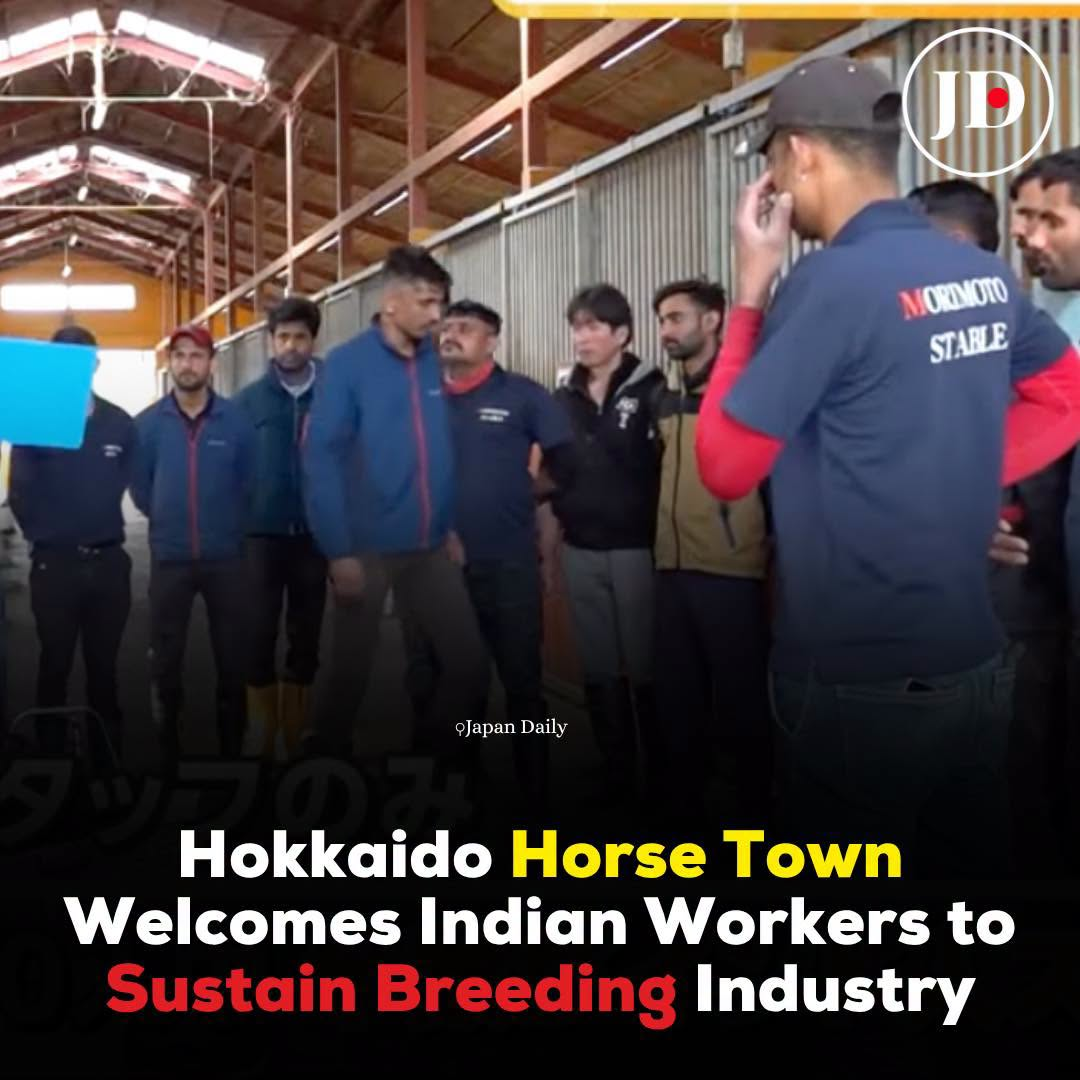
At Morimoto Stable, half of the 40 employees are now Indian, including Atish, who has worked there for five years and is trusted with early-stage horse training. The town, which had no Indian residents 12 years ago, now has 413. Supermarkets have added Hindi signs and adjusted meat sections for religious preferences, while an Indian curry restaurant was opened for staff. The integration reflects successful cross-cultural adaptation in sustaining Japan’s horse breeding heritage.
At Morimoto Stable, half of the 40 employees are now Indian, including Atish, who has worked there for five years and is trusted with early-stage horse training. The town, which had no Indian residents 12 years ago, now has 413. Supermarkets have added Hindi signs and adjusted meat sections for religious preferences, while an Indian curry restaurant was opened for staff. The integration reflects successful cross-cultural adaptation in sustaining Japan’s horse breeding heritage.


