

- Joined
- Mar 11, 2013
- Messages
- 17,554
- Points
- 113
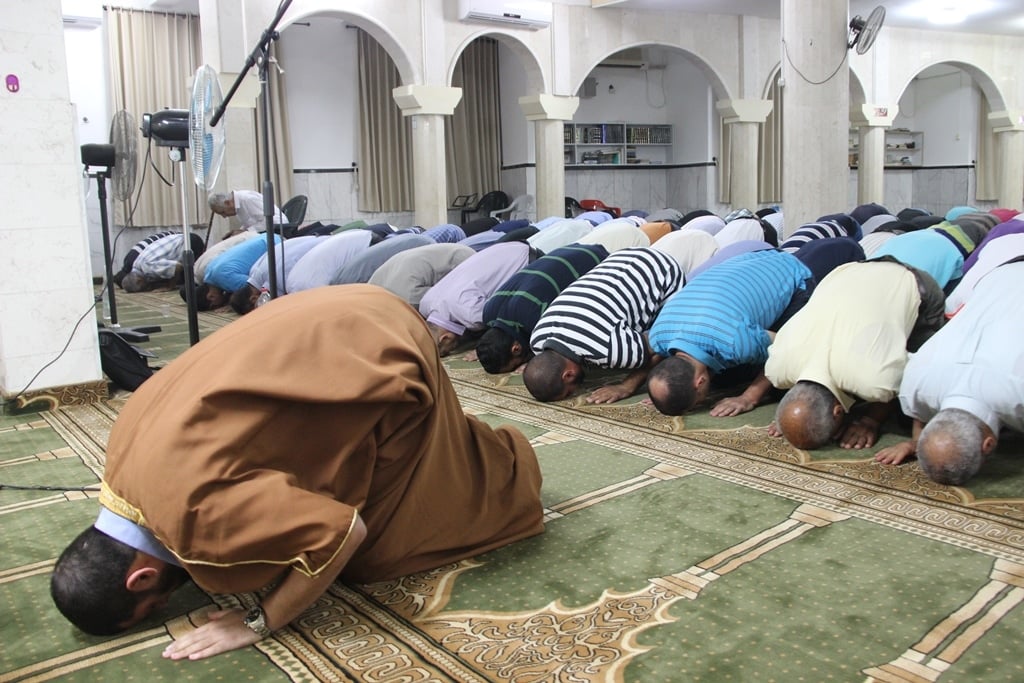
Greece’s Minister of Migration and Asylum, Thanos Plevris, has announced a new legislative framework targeting the operation of illegal places of worship, emphasizing that non-compliance will lead to the immediate revocation of residency permits.
Speaking before a parliamentary committee during debates on a new migration bill, Plevris cited a recent case in Greece as a precedent. In that case, a Bangladeshi national’s residence permit was revoked for operating an illegal place of worship.
“Zero tolerance” policy on illegal places of worship
“What happened in Agios Nikolaos will happen everywhere,” Plevris warned. “All illegal places of worship will be sealed, and the legal documents of those operating them will be revoked. In coordination with relevant ministries, illegal mosques will be closed, and those involved will face deportation. Those who do not comply with Greek law will automatically be deported.”
Greece’s Parliament approved Law 5224/25, which, according to the government, modernized the national framework for licensing religious sites and clergy, ensuring alignment with the Constitution and the European Court of Human Rights. According to Ministry sources, the new bill focuses on:
- Safety and urban planning: Sites have to meet basic requirements, such as fire exits and sanitation.
- Criminal records: For the first time, individuals listed in the National Register of Religious Ministers must have no irrevocable convictions for serious crimes.
- Administrative penalties: Under the current law, sites operating without Ministry of Education approval will be sealed by the police. Operators face prison sentences of two to six months and significant administrative fines.
The new law does not only target illegal mosques
Ministry officials clarified that, while the focus is often on illegal mosques, the law is not faith-specific. “A law cannot exclusively target mosques; that would be unconstitutional and ineffective,” sources noted.
“If an operator lacks a permit and fails to protect the rights of worshippers and local residents, they will be returned to their country of origin, regardless of the religion involved.” Two Joint Ministerial Decisions (KYA) are expected shortly to further specify the enforcement procedures and exact scale of fines for non-compliance.


