

- Joined
- Jul 2, 2021
- Messages
- 5,555
- Points
- 113
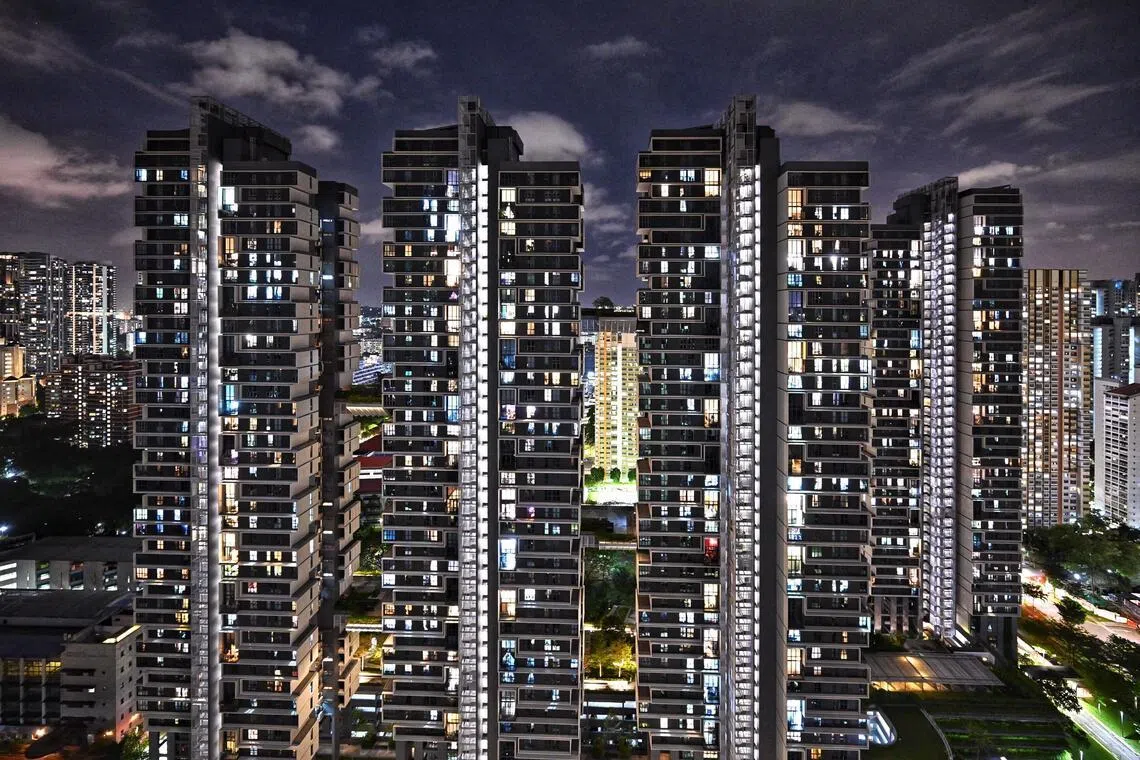
About 63 per cent of households in Singapore pay for their electricity consumption through the regulated tariff.
Published Jun 18, 2026, 10:45 AM
Updated Jun 18, 2026, 04:51 PM
SINGAPORE – Most households can expect to face a significant increase in electricity costs from the third quarter, the Energy Market Authority (EMA) told The Straits Times, even as the US and Iran’s peace deal promises to reopen a waterway crucial to oil and gas flows from the Middle East.
Analysts had ranging projections for the increase in the regulated tariff for the quarter starting in July, with the highest estimate being 30 per cent, because of energy costs stemming from the Iran war.
The tariff, which is revised quarterly, is currently 29.72 cents per kilowatt-hour (kWh), factoring in GST.
It is the way through which 62.8 per cent of households pay for their electricity consumption, according to official statistics.
Amanda Kang, principal analyst for South-east Asia gas research at S&P Global Energy, who expects a 20 to 25 per cent increase in the tariff, said this could translate into a $30 increase in the monthly electricity bill for a four-room HDB flat.
The average monthly electricity bill for such a flat is close to $88, power grid operator SP Group estimates. Energy costs – which are calculated based on average fuel costs in the first 2½ months of the previous quarter – make up the bulk of the electricity tariff.
This means the upcoming revision of the tariff will largely be determined by the cost of fuel from April to mid-June.
Energy prices have been driven higher following the US and Israel’s attack on Iran on Feb 28, with strikes on energy infrastructure in the Gulf and the effective closure of the Strait of Hormuz, through which around a fifth of the world’s oil and gas supplies are usually transported.
An EMA spokesperson said on June 17: “With the Middle East conflict straining global fuel supply chains, natural gas prices have increased sharply since the end of February.
“Consequently, the regulated electricity tariff is expected to rise significantly in the coming quarter.”
Singapore is highly dependent on imports for its energy needs, and imported natural gas accounts for 95 per cent of electricity production.
The Republic’s gas imports in 2025 comprised 43 per cent piped natural gas from Malaysia and Indonesia, and 57 per cent liquefied natural gas from other countries including those in the Middle East.
Kang said the impending rise of the electricity tariff “ultimately boils down to fuel costs”, which have increased over the past months.
“Singapore’s electricity prices are tied to imported gas costs, which lag oil prices under long-term supply contracts. When oil prices spike, electricity tariffs follow – but with a lag,” she added.
Rystad Energy senior consultant David Chew believes Singapore is less exposed to spikes in energy prices because it acquires much of its natural gas through long-term contracts.
He projects a “mid-range single-digit increase” in the electricity tariff.
Chew said: “Gas prices which are tagged to the oil price tend to look at the preceding few months of oil prices. The electricity tariff also looks at the preceding months of gas prices.
“If you couple those two time lags, there isn’t such a strong flow-through of conflict prices.”
Sharad Somani, partner and head of infrastructure for the Asia-Pacific at KPMG, expects a 20 to 30 per cent increase in the electricity tariff.
He noted that global fuel prices have risen by more than 50 per cent since the end of February, spurred by supply constraints and geopolitical uncertainty.
Somani added that the Iran war has caused a “substantial backlog” in global fuel supplies.
“Even with a deal in place, it will likely take time to restore supply to pre-March levels,” he said.
US President Donald Trump has said Washington and Tehran’s agreement means the Strait of Hormuz would be “completely open” by June 19. But returning traffic in the strait to pre-war levels comes with significant challenges, including the risk of further violence.
More households on fixed-price plans
EMA said the proportion of households purchasing electricity from SP Group under the regulated tariff fell between Feb 1 and June 1, from 63.4 per cent to 62.8 per cent.Over the same period, the number of households on fixed-price electricity plans grew from 36.6 per cent to 37.1 per cent.
Less than 0.1 per cent of households buy electricity at wholesale prices.
Fixed-price plans by electricity retailers lock in the rate at which consumers purchase electricity for the duration of a contract.
EMA said: “The increase in households taking up fixed-price contracts may be due to a confluence of factors, such as consumers’ efforts to insulate themselves from the potential of higher tariffs, and new households formed during this period.”
Electricity retailers started making changes to their offerings following the outbreak of the Iran war, such as hiking the prices of new contracts and removing discounted plans.
EMA’s price comparison website (https://compare.openelectricitymarket.sg) shows that retailers are still offering plans with rates lower than the regulated tariff, with the shortest contract duration being six months.
Consumers looking to switch from the electricity tariff to a fixed-price plan can sign up with their preferred electricity retailer.
The retailer will coordinate with SP Group to facilitate the switch, with no disruption to a household’s electricity supply.
Kang said: “Periods like this highlight the value of fixed-price contracts – customers who locked into fixed-price contracts are shielded from surges in energy costs.
“However, should oil prices fall, customers on a fixed-tariff plan will not benefit. The fixed-price plans are designed for stability and to give assurance to consumers on their cost of electricity.”
She said the regulated electricity tariff may fall from the last quarter of 2026, if the Iran peace deal “leads to a sustained recovery in oil and gas flows”.
Rystad’s Chew said consumers on the regulated tariff could see relief from the first quarter of 2027, provided there is a significant reopening of the Strait of Hormuz.
He said: “At this time, what would impact the market would be a fully opened strait that tankers can safely flow through.
“It will take a couple of months for tankers to return to the Middle East and normalise shipping routes.”
EMA said: “Consumers are encouraged to be aware of their various electricity purchase options, and choose an option that best suits their needs and preferences.”
The electricity tariff rose by 2.1 per cent from the first quarter of the year, with the current rate effective from April to June.
The EMA has warned of “further and potentially sharper increases in the electricity and town gas tariffs” later in 2026.
In the second disbursement of U-Save rebates in 2026, eligible households will receive up to $190 in rebates in July, which can be used to defray utility bills.
They will also receive up to one month of service and conservancy charges rebates that month, depending on their HDB flat type.


