
-
IP addresses are NOT logged in this forum so there's no point asking. Please note that this forum is full of homophobes, racists, lunatics, schizophrenics & absolute nut jobs with a smattering of geniuses, Chinese chauvinists, Moderate Muslims and last but not least a couple of "know-it-alls" constantly sprouting their dubious wisdom. If you believe that content generated by unsavory characters might cause you offense PLEASE LEAVE NOW! Sammyboy Admin and Staff are not responsible for your hurt feelings should you choose to read any of the content here. The OTHER forum is HERE so please stop asking.
sportgear
How Sport Apparels Improve Athletic Performance Scientifically
How Sport Apparels Improve Athletic Performance Scientifically is no longer a vague marketing promise or a slogan printed on a jersey tag. From the locker rooms of the NFL to community training fields, athletes are increasingly aware that what they wear directly shapes how their bodies respond under pressure. Sweat rate, muscle vibration, thermal stress, oxygen efficiency, proprioception—these are physiological realities, not opinions. After more than a decade observing elite football environments and analyzing performance-driven content through an SEO and sports-science lens, one truth stands out clearly: modern sport apparels are engineered systems designed to work with the human body, not merely cover it. This article dives deep into the science, the stories, and the measurable evidence behind how sport apparels improve athletic performance scientifically, aligning perfectly with what serious athletes and informed fans are searching for today.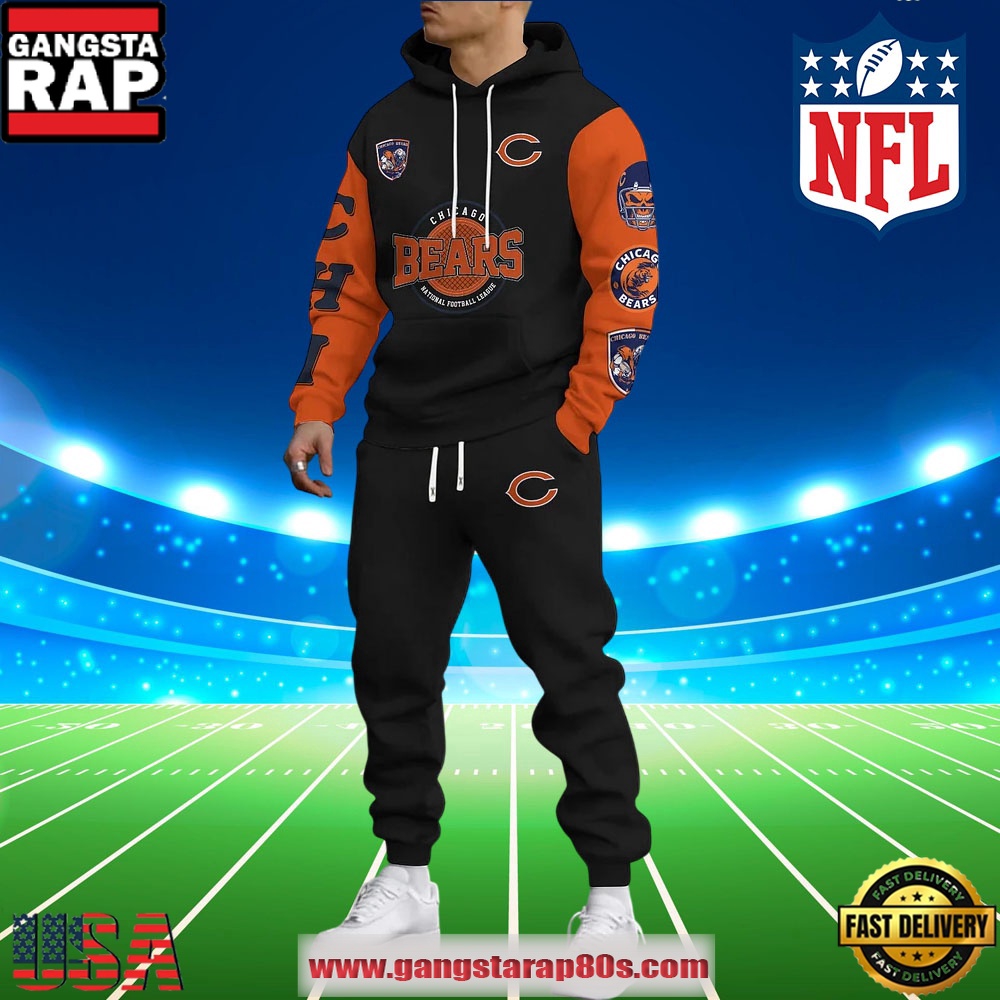
The Scientific Evolution of Sport Apparels
Sport apparels have evolved from simple cotton uniforms into precision tools shaped by biomechanics, material science, and data-driven testing. This transformation did not happen overnight. It emerged from decades of research into how the human body reacts to fatigue, heat, impact, and repetition—conditions that define high-level sport, especially in physically demanding leagues like the NFL. Modern athletic clothing is no longer passive; it actively regulates microclimates around the skin, stabilizes muscle groups, and reduces unnecessary energy loss. For athletes, this means fewer distractions and more usable power during competition. The scientific evolution of sport apparels reflects a shift from aesthetics-first design to performance-first engineering, where every seam, fiber, and contour serves a physiological purpose. Understanding this evolution helps explain why apparel now plays a decisive role in performance outcomes rather than acting as a secondary accessory.From Traditional Fabrics to Performance-Driven Materials
Early sport uniforms prioritized durability and team identity, often using heavy cotton that absorbed sweat and increased body weight mid-game. Scientific testing later revealed how moisture retention accelerates fatigue and raises core temperature. This insight pushed innovation toward synthetic fibers capable of wicking sweat away from the skin. Polyester blends, elastane, and engineered knits now dominate elite sports because they reduce moisture load while maintaining structural integrity. These materials are tested in lab environments that simulate sprint cycles, collision impacts, and thermal stress. The shift was not cosmetic; it was metabolic. Athletes expend less energy regulating body temperature when fabrics handle moisture efficiently, leaving more energy for explosive movements and decision-making.Data-Driven Design in Modern Athletics
Today’s sport apparels are shaped by motion-capture analysis, pressure mapping, and thermal imaging. Designers study how muscles expand, contract, and vibrate during high-speed actions. In football, repeated accelerations and decelerations place unique strain on the lower body and core. Apparel designers respond by reinforcing high-stress zones while increasing flexibility where range of motion matters most. This data-driven approach ensures clothing adapts to the athlete, not the other way around. The result is apparel that feels intuitive, almost invisible, during peak performance moments.Thermoregulation and Heat Management
Thermoregulation is one of the most critical yet underestimated factors in athletic performance. When the body overheats, cognitive function declines, reaction time slows, and injury risk increases. Sport apparels designed for heat management act as a second skin, optimizing heat dissipation while protecting athletes from environmental stressors. Scientifically, this process involves managing convection, evaporation, and airflow around the body. In high-intensity sports like football, where games are played under varying climate conditions, effective heat control can be the difference between sustained performance and late-game collapse. Understanding how sport apparels improve athletic performance scientifically begins with understanding how they help the body stay cool under pressure.Sweat-Wicking Technology and Evaporation Efficiency
Sweat itself does not cool the body unless it evaporates. Advanced sport apparels use capillary action to pull moisture from the skin and spread it across a wider surface area, accelerating evaporation. This process reduces skin saturation and prevents the clammy feeling that distracts athletes mid-play. Scientific trials show that efficient moisture-wicking fabrics can lower skin temperature and perceived exertion during prolonged activity. For athletes, this translates into sharper focus and consistent output deep into competition.Microclimate Control in High-Intensity Sports
Beyond fabric composition, modern sport apparels engineer airflow through strategic ventilation zones. Mesh panels and variable knit densities create microclimates that balance insulation and cooling. In cold conditions, these zones retain heat without trapping moisture; in hot environments, they promote airflow without sacrificing coverage. This adaptability is essential in sports like the NFL, where seasonal and regional climate differences are extreme. Athletes benefit from stable internal temperatures regardless of external conditions.Compression Science and Muscle Efficiency
Compression apparel represents one of the clearest examples of how sport apparels improve athletic performance scientifically. By applying graduated pressure to muscle groups, compression garments influence blood flow, muscle oscillation, and proprioceptive feedback. The science behind compression is rooted in physiology and neuromuscular control. When muscles vibrate excessively during movement, energy is wasted and fatigue accelerates. Compression reduces this vibration, allowing muscles to contract more efficiently and recover faster between efforts.Shop Now: Stylish women's NFL Gear
Enhanced Blood Circulation and Oxygen Delivery
Compression garments apply external pressure that supports venous return, helping deoxygenated blood move back toward the heart more efficiently. This process improves oxygen delivery to working muscles and reduces metabolic waste buildup. Athletes often report reduced muscle soreness and improved endurance when wearing compression gear during and after competition. While the effects vary by individual, the underlying mechanism is well-documented in sports science literature.Reduced Muscle Oscillation and Fatigue
High-speed movements cause muscles to oscillate, creating micro-trauma over time. Compression stabilizes muscle fibers, minimizing unnecessary movement and preserving structural alignment. This stabilization becomes particularly valuable in contact sports, where repeated impacts amplify muscular stress. By reducing oscillation, sport apparels help athletes maintain power output and coordination late into games.Biomechanics, Mobility, and Movement Optimization
Athletic performance depends not only on strength and endurance but also on how efficiently the body moves through space. Sport apparels designed with biomechanical principles enhance natural movement patterns rather than restricting them. Stretch mapping, ergonomic seam placement, and adaptive fit systems ensure clothing supports joint articulation and muscle engagement. In elite football environments, even minor restrictions can disrupt timing and balance, making movement optimization a critical apparel function.Ergonomic Design and Joint Freedom
Modern sport apparels use articulated patterning that mirrors joint mechanics. Knees, hips, shoulders, and elbows receive special attention because they experience the highest range of motion. By aligning fabric stretch with natural movement paths, apparel reduces resistance during acceleration, cuts, and tackles. Athletes experience smoother transitions between movements, conserving energy and reducing injury risk.Proprioception and Neuromuscular Awareness
Tight-fitting, well-designed apparel enhances proprioceptive feedback by increasing sensory input from the skin. This heightened awareness helps athletes fine-tune movement and maintain balance under pressure. In fast-paced sports, milliseconds matter, and improved neuromuscular communication can influence reaction time and coordination. Apparel that enhances body awareness indirectly boosts performance consistency.Psychological Impact and Performance Confidence
Performance is as much mental as it is physical. Sport apparels influence psychological readiness by shaping how athletes perceive themselves and their preparedness. Feeling comfortable, supported, and confident in one’s gear reduces cognitive load and performance anxiety. This psychological edge is often overlooked in scientific discussions but remains a powerful contributor to success.Comfort, Focus, and Reduced Cognitive Distraction
Ill-fitting or poorly designed clothing becomes a constant distraction during competition. Advanced sport apparels eliminate these distractions through seamless construction, adaptive fit, and breathable materials. When athletes are not adjusting their gear, they remain fully immersed in the game. This uninterrupted focus enhances decision-making and situational awareness.Identity, Ritual, and Competitive Mindset
Athletes often associate specific apparel with peak performances or personal milestones. This association creates ritualistic confidence that primes the brain for competition. While subtle, this psychological conditioning reinforces consistency under pressure. Even limited brand exposure, such as a trusted piece sourced from a platform like GangstaRap80s, can become part of an athlete’s mental preparation routine when performance and comfort align.Injury Prevention and Long-Term Athletic Health
One of the most practical benefits of sport apparels lies in injury prevention and recovery support. While no clothing can eliminate injury risk entirely, scientifically designed apparel reduces contributing factors such as muscle fatigue, joint instability, and thermal stress. Over long seasons, especially in physically punishing sports, these incremental protections compound into meaningful health benefits.Support Structures and Impact Distribution
Strategic padding, reinforced zones, and compression panels distribute impact forces more evenly across muscle groups. This distribution reduces localized stress and lowers the likelihood of strain-related injuries. Apparel that supports proper alignment also helps maintain biomechanical efficiency, reducing compensatory movements that often lead to overuse injuries.Recovery, Longevity, and Performance Sustainability
Recovery-focused sport apparels promote circulation and muscle relaxation post-competition. Faster recovery allows athletes to maintain training intensity without overloading the body. Over time, this sustainability extends careers and preserves peak performance windows. From youth athletes to professionals, the long-term health implications of proper apparel are substantial.The science behind How Sport Apparels Improve Athletic Performance Scientifically reveals a powerful intersection of physiology, psychology, and design. What athletes wear influences how their bodies regulate heat, manage energy, move through space, and recover from stress. In high-stakes environments like the NFL, where margins are razor-thin, these factors accumulate into decisive advantages. Sport apparels are no longer silent participants; they are active contributors to performance, confidence, and longevity. When science, storytelling, and real-world application align, the result is apparel that does more than dress the athlete—it elevates them, play after play, season after season.
US Warehouse: 600S Main St, Burnet, TX 78611, US.
Contact us: [email protected]
Support Time: 9AM – 5:30PM EST, Monday to Sunday.
- Birthday
- Jun 21, 1988 (Age: 38)
- Location
- 600S Main St, Burnet, TX 78611, US.